

Maddy summaryThis bill changes tax rules to treat direct primary care (DPC) membership fees as deductible medical expenses. It defines DPC as a fixed monthly fee (capped at $150 per person, $300 for families) for primary care services only, excluding procedures requiring anesthesia, prescription drugs (except vaccines), or lab tests. The law ensures these fees can be claimed on tax returns like other medical costs, while clarifying DPC arrangements aren’t considered health insurance plans. It applies to fees paid for DPC services provided through employment or directly to patients, effective for 2024 tax years.
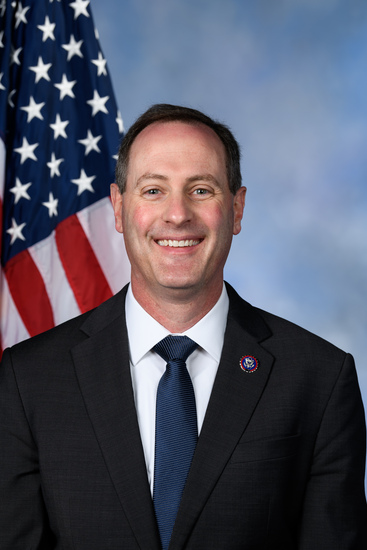
Rep. Tracey Mann
Sponsored bills
Maddy summaryThe PASTEUR Act establishes a new subscription payment model to incentivize development of new antimicrobial drugs for resistant infections. It creates a Committee on Critical Need Antimicrobials and a Subscription Contract Office to manage payments based on specific drug characteristics like treating multi-drug resistant infections, novel mechanisms of action, and oral administration. Under this model, the government would pay drug developers up to $3 billion over 10 years for qualifying drugs, with payments tied to requirements like ensuring drug availability, reporting resistance data, and developing appropriate use plans. The bill aims to address the lack of new antimicrobial drugs by changing the funding model to reward drugs that meet specific clinical and public health needs.
Maddy summaryThis bill creates a new tax deduction for healthcare providers who offer free medical care to eligible patients. It allows direct primary care physicians (those charging a subscription fee) to deduct the published fees for free care provided, plus half the subscription fee per visit. Other providers can deduct the Medicare-reimbursed value of free care given to patients enrolled in Medicaid or children's health programs. The deduction is limited to the provider's total income from medical services that year. It directly affects healthcare providers who offer free care to Medicaid/Medicare-eligible patients without expecting payment.
Maddy summaryThis bill regulates pharmacy benefit managers (PBMs) working with Medicare Part D prescription drug plans. It prohibits PBMs from earning income based on drug prices or rebates (requiring flat fees instead), mandates equal reimbursement for all network pharmacies, and requires PBMs to report how much of drug rebates they pass through to Medicare plans. The law also mandates annual compliance certifications and requires the government to publish aggregated transparency data (without revealing specific plan details) starting in 2024. These changes directly affect Medicare Part D plans and the seniors who rely on them for prescription drug coverage.
Maddy summaryThe Pharmacy Benefit Manager Sunshine and Accountability Act requires Pharmacy Benefit Managers (PBMs) to publicly disclose detailed financial information about their contracts with drug manufacturers and health plans. Specifically, PBMs must report total rebates received, administrative fees collected, amounts retained (not passed through to health plans), and the retained rebate percentage for each contract. This data, including the highest and lowest retained rebate percentages across all contracts, must be submitted annually to the Department of Health and Human Services and published on a public website. The bill directly affects PBMs and the health plans/insurance issuers they serve by increasing transparency in how drug pricing and rebates are managed.
Maddy summaryThe PROTECT 340B Act of 2023 prohibits pharmacy benefit managers (PBMs), health insurance plans, and health insurance issuers from discriminating against healthcare providers participating in the 340B drug pricing program. It specifically bans these entities from paying less for 340B drugs than they would for similar drugs dispensed by non-340B providers, imposing special requirements on 340B providers, or requiring identification of 340B drugs in billing. The bill establishes civil penalties of up to $5,000 per violation per day for PBMs that violate these protections and requires the Health Resources and Services Administration to create implementing regulations. It directly affects safety-net hospitals, clinics, and health centers that serve low-income patients, particularly those in rural areas, by protecting their ability to use 340B drug discounts to provide affordable care.
Maddy summaryHR 2474, the "Strengthening Medicare for Patients and Providers Act," changes how Medicare pays physicians for services. It replaces the previous two-part payment system (used through 2025) with a single annual payment rate update starting in 2024. This update will be based on the Medicare Economic Index (MEI), which tracks costs for medical providers. The change directly affects Medicare-certified doctors and clinics who receive payments under the physician fee schedule.
Maddy summaryThis bill would require Medicare to cover FDA-approved blood tests that screen for multiple cancers simultaneously (like breast, lung, or colorectal cancer) for beneficiaries. It directly affects Medicare recipients aged 65+ who could access these new screenings once per year, without prior authorization. The key provision adds "multi-cancer early detection screening tests" to Medicare's covered services under Part B, defining them as blood tests analyzing cell-free DNA, while maintaining existing coverage for standard screenings like mammograms. The bill does not change current coverage for individual cancer screenings but ensures Medicare keeps pace with new medical technology.
Maddy summaryThis bill expands Medicare Part B coverage to include specific pharmacist services, directly affecting Medicare beneficiaries and pharmacists who provide these services. It adds new coverage for pharmacist evaluations and treatments related to certain illnesses (like COVID-19, flu, or strep throat) and public health emergencies, requiring payment at 80% of the lesser of actual charge or 85% of physician payment rates (100% during emergencies). The bill also prohibits balance billing for these services, ensuring beneficiaries pay only the standard Medicare copayment. These changes aim to improve access to pharmacist care during health crises while aligning payment with existing physician service frameworks.
Maddy summaryHR 1666 extends deadlines for ambulance service reimbursement rules under Medicare. It amends Section 1834(l) of the Social Security Act by changing dates from 2025 to 2028 in two specific provisions: paragraph (12)(A) and paragraph (13)(A). This delay gives ambulance providers additional time to adjust to existing Medicare payment rules. The bill directly affects Medicare-certified ambulance services and the patients relying on ground ambulance care covered by Medicare.