

Maddy summaryThis bill freezes new energy efficiency standards for distribution transformers. It prohibits the Energy Secretary from proposing or implementing any rules different from the 2013 standards (published April 18, 2013) for five years after the bill's enactment. The law directly affects the Department of Energy and transformer manufacturers by maintaining existing efficiency requirements. It ensures no changes to the 2013 rule during this five-year period.
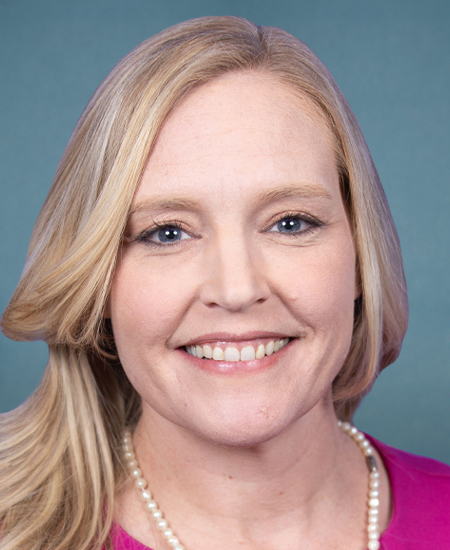
Rep. Erin Houchin
Sponsored bills
Maddy summaryHCONRES 86 is a non-binding congressional resolution expressing that a carbon tax would harm the U.S. economy. It states that such a tax would raise energy prices for essentials like gasoline, electricity, and home heating, disproportionately affecting low-income families, the elderly, and fixed-income individuals. The resolution argues a carbon tax would reduce economic growth, encourage businesses to move overseas, and weaken U.S. global competitiveness, urging focus on pro-growth energy policies instead.
Maddy summaryHR 7770, the Rosie the Riveter Commemorative Coin Act, authorizes the U.S. Mint to produce and sell three commemorative coins honoring women who worked on the U.S. home front during World War II. It specifies $5 gold coins (max 50,000), $1 silver coins (max 400,000), and half-dollar coins (max 750,000), all to be issued between January 1, 2025, and December 31, 2025. Each coin sale includes a surcharge ($35 for gold, $10 for silver, $5 for half-dollar), with all surcharge funds directed to the Rosie the Riveter Trust for maintaining the Rosie the Riveter WWII Home Front National Historical Park and educational programs. The coins will feature designs reflecting the legacy of diverse women workers and must meet specific weight, diameter, and composition standards.
Maddy summaryThis bill establishes new eligibility rules for women's and girls' amateur sports by defining "female" and "male" based on biological sex at birth. It prohibits individuals designated as male under these definitions from participating in athletic competitions designated for females, women, or girls. The law amends existing U.S. Code provisions to add this requirement, directly affecting athletes and organizations managing female-designated teams. The key change is a clear ban on male-identified participants in female sports, replacing previous eligibility standards with biological sex criteria.
Maddy summaryThis resolution (HRES 1086) is a symbolic gesture expressing the House's support for designating March 19, 2024, as "National Agriculture Day." It does not create new laws or policies, but instead formally recognizes agriculture as a vital industry in the U.S. economy. The resolution celebrates agriculture's broad economic impact without imposing any requirements or changes on farmers, consumers, or government programs. It is a commemorative statement, not a substantive legislative action.
Maddy summaryHR 7725 would block federal funding for graduate medical schools that require students or staff to adopt specific statements about race, gender, or identity (like claiming systemic racism or collective guilt), use race-based distinctions in admissions or programs, maintain DEI offices, or mandate "diversity statements" for admission. It directly affects graduate medical schools at colleges/universities receiving federal financial aid, including student loans. The bill exempts medical education about race-related health needs, demographic data collection for reporting, and religious institutions from adhering to policies conflicting with their beliefs. Schools violating these rules would lose eligibility for federal funds, though they could still comply with anti-discrimination laws and provide general academic instruction.
Maddy summaryThe Students Bill of Rights Act of 2024 requires public colleges and universities receiving federal student aid funds to protect student organizations and events from viewpoint-based restrictions. It prohibits schools from denying recognition to student groups due to content, viewpoint, or inability to secure a faculty advisor, and mandates clear, neutral standards for distributing student activity fees and setting security fees for events. Schools must provide transparent appeals processes for denied recognition or funding, and face potential loss of federal funds if they fail to comply with court rulings against them. Students harmed by violations can sue in federal court for remedies like injunctions, damages, or attorney fees.
Maddy summaryThe Laken Riley Act (HR 7511) would require federal authorities to detain non-citizens charged with or convicted of burglary, theft, larceny, or shoplifting offenses. It also creates new legal standing for state attorneys general to sue federal immigration officials in federal court if they believe immigration enforcement decisions (like releasing aliens or granting parole) cause financial harm exceeding $100 to the state or its residents. The bill amends immigration laws to expand detention requirements for certain property crimes and allows states to seek court orders to enforce immigration policies. It does not create new criminal penalties but modifies existing immigration enforcement procedures. The bill’s findings and political language about the Laken Riley case are not part of its policy provisions.
Maddy summaryHRES 1052 is a procedural resolution that sets the rules for the House of Representatives to debate and vote on two other bills: H.R. 2799 (which would reform U.S. capital markets) and H.R. 7511 (which would require detaining aliens charged with theft in the U.S.). It limits debate to one hour per bill, restricts amendments to those specified in the resolution, and waives objections to expedite the process. This resolution does not change policy but enables the House to proceed with these bills under defined procedural terms.
Maddy summaryThis bill would require U.S. immigration authorities to detain undocumented immigrants who are charged with, arrested for, convicted of, or admit to committing robbery offenses, rather than releasing them on bond. It amends immigration law to add robbery (defined by local jurisdiction) to the list of offenses triggering mandatory detention under specific inadmissibility categories. The Secretary of Homeland Security must issue a detainer to local authorities to hold these individuals if not already detained. This applies to undocumented immigrants already in immigration proceedings under certain inadmissibility grounds.