

Protect Seniors and Cut Waste Act This bill prohibits the budgetary effects of the American Rescue Plan Act of 2021 from being counted for the purposes of determining whether a specified sequester occurs under the Statutory Pay-As-You-Go Act of 2010. (The American Rescue Plan Act of 2021 provided funding to address the impact of COVID-19. Sequestration is a process of automatic, usually across-the-board spending reductions under which budgetary resources are permanently cancelled to enforce specific budget policy goals.) The bill also modifies several other provisions related to COVID-19 spending. Among other modifications, the bill provides supplemental appropriations for the Public Health and Social Services Emergency Fund to reimburse certain health care providers for health care related expenses or lost revenues that are attributable to the coronavirus; rescinds certain funds that were provided for payments to states, territories, and tribal governments to mitigate the fiscal effects stemming from the COVID-19 public health emergency; prohibits individuals who are incarcerated or unlawfully present in the United States from receiving 2021 recovery rebates; and rescinds funds that were provided by the American Rescue Plan Act of 2021 for the National Endowment for the Arts, the National Endowment for the Humanities, and the Emergency Federal Employee Leave Fund.
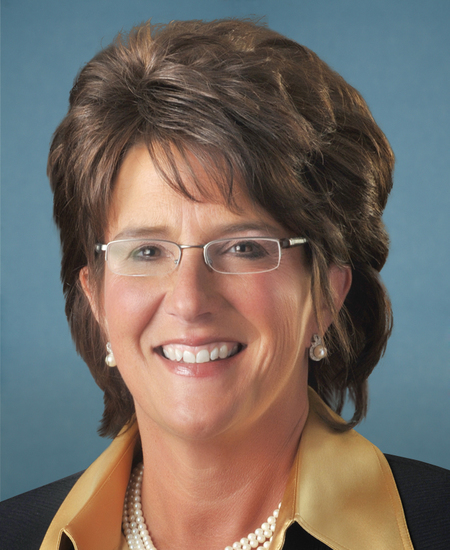
Rep. Jackie Walorski
Sponsored bills
Increasing Access to Quality Cardiac Rehabilitation Care Act of 2021 This bill accelerates and expands certain changes that are scheduled to take effect relating to the coverage of cardiac, intensive cardiac, and pulmonary rehabilitation programs under Medicare. Currently, such programs require physician supervision. Effective January 1, 2024, physician assistants, nurse practitioners, and clinical nurse specialists may also supervise these programs. The bill expedites the effective date of these changes to January 1, 2022, and also allows these practitioners to administer programs in their offices, prepare and sign treatment plans, and prescribe exercise.
Stop for School Buses Act of 20 21 This bill addresses safety measures and programs to prevent the illegal passing of school buses. Specifically, the Department of Transportation must conduct a review of existing state laws and programs regarding the illegal passing of school buses; create a nationwide public safety campaign to highlight the dangers of illegally passing school buses; review and evaluate the effectiveness of various technologies to enhance school bus safety; review driver education materials in states to determine how the illegal passing of school buses is addressed; and research the connections between the illegal passing of school buses and other safety issues, including distracted driving.
Medicare Orthotics and Prosthetics Patient-Centered Care Act This bill revises payment rules and establishes several requirements relating to coverage of orthotics and prosthetics under Medicare. Specifically, the bill requires suppliers of orthotics and prosthetics to meet certain standards with respect to licensure and accreditation, physical facilities, and liability insurance. Orthotists and prosthetists may also issue written orders for commercial purposes that meet specified standards; such orders must be signed by the treating physician. The bill also prohibits payment under Medicare for certain prosthetics and orthotics that are delivered via drop shipment (i.e., direct shipment to a beneficiary who has not received corresponding patient care from a health care practitioner).
Medicare Multi-Cancer Early Detection Screening Coverage Act of 2021 This bill provides for Medicare coverage and payment for multi-cancer early detection screening tests that are approved by the Food and Drug Administration and that are used to screen for cancer across many cancer types.
Global War on Terrorism Memorial Location Act This bill authorizes the establishment of a National Global War on Terrorism Memorial in the area of the National Mall.
Rural and Underserved Small Hospital Protection Act of 2021 or the RUSH Protection Act of 2021 This bill applies certain modified payment limits to rural health clinics that temporarily enrolled in Medicare during the public health emergency relating to COVID-19 (i.e., coronavirus disease 2019) or that applied to enroll by December 31, 2020. The bill applies retroactively.
Guard Reimbursement for Unhealthy Bites Act or the GRUB Act This bill requires the Department of Defense to pay National Guard members a per diem for each day they performed duty between January 26, 2021, and March 15, 2021, in response to the attacks on January 6, 2021, on the U.S. Capitol building and grounds. The per diem rate must be equal to the proportional meal rate determined by the Defense Travel Management Office for the National Capital Region.
Developing Responsible Individuals for a Vibrant Economy Act or the DRIVE-SAFE Act This bill directs the Department of Transportation to promulgate regulations to implement an apprenticeship program for licensed commercial motor vehicle drivers under the age of 21. Under the program, an apprentice must complete two probationary periods that total 400 hours of on-duty time, of which at least 240 hours must be driving time in a commercial motor vehicle. Additionally, the apprentice must be accompanied in the cab of the commercial motor vehicle by an experienced driver. Further, the bill requires all commercial motor vehicles used in the program for training to be equipped with safety technology such as active braking collision mitigation systems and video event capturing systems. An employer shall not knowingly allow, require, permit, or authorize a driver under the age of 21 to operate a commercial motor vehicle unless the driver is participating in, or has completed, an apprenticeship program that meets the requirements set forth in this bill.
Fair Access to Banking Act This bill restricts certain banks, credit unions, and payment card networks from refusing to do business with a person who is in compliance with the law. Restrictions include prohibiting the use of certain lending programs, initiating the process of terminating an institution's depository insurance, and instituting specified civil penalties.