

Maddy summaryThis bill allows the Department of Veterans Affairs (VA) to use existing funds more flexibly to assist homeless veterans and veterans in HUD housing programs. It authorizes the VA to provide immediate needs like food, shelter, transportation for appointments, and communication devices (e.g., phones, tablets) to support veterans' stability and health. The law expands how VA funds can be applied beyond traditional housing assistance, focusing on urgent, practical support. It directly affects homeless veterans and those in HUD's housing assistance program by enabling faster, more adaptable aid. The bill amends existing VA law to improve responsiveness to veterans' immediate survival and health needs.
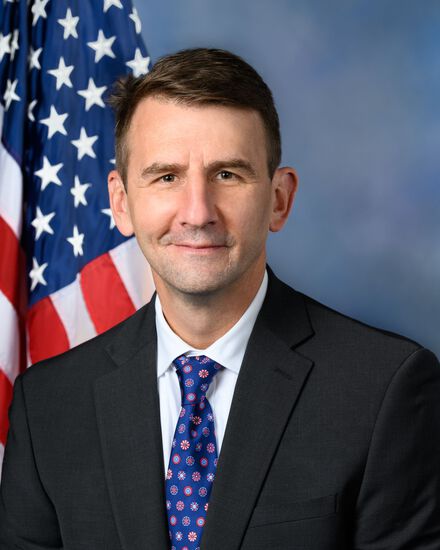
Rep. Frank J. Mrvan
Sponsored bills
Maddy summaryHR 2441, the Servicemembers and Veterans Empowerment and Support Act of 2023, improves support for veterans who experienced military sexual trauma by reforming disability claims processing and expanding access to mental health care. The bill establishes new standards for evaluating claims involving military sexual trauma, requiring specialized VA teams to process these claims and creating clearer guidelines for evidence and communication with veterans. It expands eligibility for counseling and treatment to include all former reserve members and creates a pilot program providing interim mental health care when veterans face wait times exceeding 14 days for residential treatment. The legislation also mandates a Comptroller General study on access to care and requires the VA to provide better communication and support throughout the claims process.
Maddy summaryHR 2414 extends CHAMPVA health coverage for children of veterans from age 21 to 26, regardless of marital status. This change directly affects children of veterans enrolled in the CHAMPVA program who would otherwise lose coverage upon turning 21. The bill amends Section 1781(c) of Title 38, U.S. Code, to update eligibility rules for medical care provided after the law's enactment. It does not impact existing coverage for children under a specific subsection (section 101(4)(A)(ii)).
Maddy summaryHR 2584, the SAVE Act, creates a new federal criminal offense for assaulting or intimidating hospital employees while they're performing their duties, punishable by up to 10 years in prison, with enhanced penalties for using weapons, causing injury, or during public emergencies. The bill authorizes $25 million annually in federal grants to hospitals for violence prevention programs, including staff training, security technologies like panic buttons and video surveillance, and coordination with law enforcement. It defines "hospital" broadly to include various medical facilities such as long-term care hospitals, rehabilitation facilities, and critical access hospitals. The legislation directly affects hospital workers and medical facilities by establishing federal criminal penalties for violence against employees and providing funding to improve workplace safety. The law aims to address the rising problem of workplace violence against healthcare workers, which the bill states has increased since 2011.
Maddy summaryThe Family Violence Prevention and Services Improvement Act of 2023 amends the Family Violence Prevention and Services Act to improve services for victims of domestic violence, dating violence, and family violence. The bill authorizes $270 million annually for fiscal years 2024-2028, with specific allocations including 12.5% for Tribal grantees, 2.5% for culturally specific services, and funds for national hotlines and resource centers. It establishes a national domestic violence hotline, a National Indian Domestic Violence Hotline, and resource centers for Alaska Native and Native Hawaiian populations, requiring all services to be trauma-informed, culturally relevant, and accessible to underserved populations including racial and ethnic minorities, people with disabilities, and Tribal communities. The bill also mandates a study on financial stability support for survivors of domestic violence.
Maddy summaryHR 2630, the Safe Step Act, requires group health plans and health insurance issuers to establish a clear, transparent process for patients or their doctors to request exceptions to medication step therapy protocols. These protocols typically force patients to try cheaper drugs first before covering more expensive alternatives. The bill mandates that plans must approve exceptions when prior treatments failed, delay would cause serious harm, a treatment is unsafe, or a patient is stable on a previously approved drug, with strict 72-hour (or 24-hour in emergencies) decision timelines. It also requires plans to publish the exception process online and limit documentation requests to only necessary medical information. This law directly affects health insurers, employers offering health plans, and patients using step therapy for prescription drugs.
Maddy summaryHR 1658 (the Manage VA Act) creates a new Under Secretary of Management position within the Department of Veterans Affairs (VA). This official, appointed by the President and reporting directly to the Deputy Secretary, oversees all VA management functions - including budgeting, procurement, human resources, information technology, and strategic planning - to streamline operations. Key provisions mandate standardizing IT systems, improving financial oversight, developing transition plans for presidential elections, and addressing government audit findings. The bill directly affects VA operations by centralizing management authority and requiring specific accountability measures for departmental efficiency.
Maddy summaryThe School Meals Expansion Act (HR 2567) amends the National School Lunch Act to make it easier for schools to provide free meals to all students. It lowers the income threshold to 25% (from a higher previous rate) and increases the eligibility multiplier to 2.5 for school years starting July 1, 2023. This means school districts with 25% or more students from low-income families can now qualify for full federal funding to offer free meals to all students without requiring individual applications. The bill directly affects local school districts that choose to participate in the community eligibility program under the National School Lunch Act.
Resident Physician Shortage Reduction Act of 2023 This bill increases the number of residency positions eligible for graduate medical education payments under Medicare for qualifying hospitals, including hospitals in rural areas and health professional shortage areas. Current law provides for an increase of up to 200 positions per fiscal year beginning in FY2023, with a total increase of 1,000 positions; each hospital may receive up to 25 additional positions. Current law also provides for an additional increase of up to 200 positions for FY2026, with at least 100 of these positions for psychiatry or related specialties; each hospital may receive up to 10 additional positions. The bill provides for an additional increase of 2,000 positions per fiscal year from FY2025-FY2031; during this period, each hospital may receive up to 75 additional positions in total under the bill and current law. Additionally, one-third of the positions that are made available under the bill must be allocated to hospitals that are already operating above applicable resident limits. The bill also requires the Government Accountability Office to report on strategies to increase the diversity of the health professional workforce, including with respect to representation from rural, low-income, and minority communities.
Maddy summaryThe Real Emergency Access for Aging and Disability Inclusion for Disasters Act (REAADI for Disasters Act) requires that individuals with disabilities and older adults be included in decision-making for all phases of disaster management. It mandates accessible communication methods (including American Sign Language, captions, and plain language), ensures disaster shelters and services are accessible without segregation, and requires compliance with civil rights laws in crisis standards of care. The bill also establishes training centers to support disability-inclusive disaster management and creates a national commission to review past settlement agreements related to disability rights in disasters. This legislation directly affects individuals with disabilities and older adults, as well as government agencies responsible for disaster planning and response.