

Maddy summaryHRES 1522 is a resolution supporting the designation of Macedonian American Heritage Month to celebrate the cultural contributions and achievements of Macedonian Americans. It recognizes their historical immigration to the U.S. and their significant contributions in fields like business, medicine, sports, arts, and public service. The resolution urges the public to observe the month with ceremonies and activities honoring this community's heritage. It has no binding legal effect but serves as a symbolic recognition of their 150-year history in the United States.
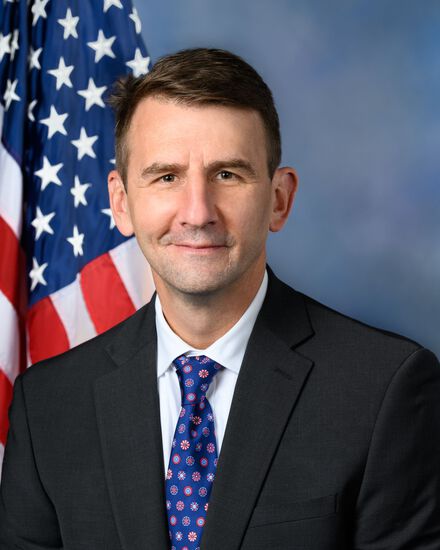
Rep. Frank J. Mrvan
Sponsored bills
Maddy summaryThis resolution designates the week of September 23-29, 2024, as "See Tracks? Think Train! Week" in the United States. It expresses congressional support for the existing public awareness campaign run by Operation Lifesaver, which aims to reduce highway-rail grade crossing incidents, fatalities, and injuries through education and safety awareness. The resolution does not create new laws or funding but encourages public participation in safety activities during this designated week. It references 2023 data showing 2,192 grade-crossing incidents resulting in 247 deaths, highlighting the campaign's focus on preventing preventable rail-related tragedies.
Maddy summaryHR 1719, the Honoring Our Fallen Heroes Act of 2023, establishes a presumption that certain cancers diagnosed in public safety officers (like police and firefighters) are work-related if linked to their duties. It defines 22 specific cancers (including lung, mesothelioma, and WTC-related cancers) as "exposure-related," allowing officers or their families to receive benefits without proving direct work connection, provided they were diagnosed within 15 years of leaving active service. The bill also creates a process for adding new cancers to the list based on scientific evidence, requiring the Bureau to review petitions and make decisions within 180 days. This applies to deaths or disabilities occurring on or after January 1, 2023, directly affecting officers who developed covered cancers during service.
Maddy summaryHR 9742 extends the expiration dates for multiple existing Department of Veterans Affairs (VA) programs and authorities from 2024 to 2025. It specifically updates deadlines for health care services (like copayment collection, nursing home care, rural health access, and animal therapy programs), memorial headstone eligibility, homeless veteran assistance programs, and administrative authorities (such as transportation services and IG subpoena powers). These extensions ensure continuity of current VA services for veterans without creating new benefits or changing program eligibility. The bill directly affects veterans receiving VA healthcare, burial benefits, housing assistance, and homeless support services.
Maddy summaryHR 9699, the Pay Our Troops Act, ensures military personnel and key support staff continue receiving pay during government funding gaps in fiscal year 2025. It appropriates funds to cover pay and allowances for active-duty troops, Department of Defense civilians, and qualifying contractors supporting military operations, if regular appropriations aren't enacted. The funding remains in effect until the earliest of: a new appropriations law, a funding resolution without such funding, or January 1, 2026. This bill does not change pay rates or create new policies - it guarantees existing pay continuity during budget transitions.
Maddy summaryHR 6319 (the 911 SAVES Act of 2023) requires the Office of Management and Budget to reclassify public safety telecommunicators as "Protective Service Occupations" within 30 days of enactment. This change corrects their current misclassification in the federal Standard Occupational Classification (SOC) system, which is used for statistical data on jobs. The bill directly affects how these professionals - critical in emergency calls involving missing children, active threats, and officer safety - are officially categorized in government workforce data. It does not create new benefits or funding but aims to better recognize their lifesaving role through accurate federal job classification.
Maddy summaryThis bill creates a new occupational category (code 31-1123) within the federal Standard Occupational Classification system specifically for direct support professionals (DSPs) who assist people with intellectual or developmental disabilities. It directly affects DSPs, state agencies, and federal data collectors by reclassifying their work - currently grouped under home health aides - into a distinct category. The key mechanism is revising the SOC system to better track DSP workforce data, address high turnover rates (43% nationally), and recognize their unique role in promoting clients' independence and community inclusion. This change aims to improve data accuracy for addressing staffing challenges, without altering service delivery or benefits.
Maddy summaryHRES 1466 is a non-binding resolution expressing support for designating September 15-21, 2024, as "National Adult Education and Family Literacy Week." It does not create new programs but aims to raise public awareness about the importance of adult foundational education, workforce skills, and family literacy programs. The resolution encourages public support for existing initiatives that help adults improve literacy, numeracy, and digital skills, which the text notes benefit economic stability, parental involvement in children’s education, and workforce readiness for millions of adults. It specifically highlights challenges like low literacy among 43 million adults, unemployed individuals, and incarcerated populations.
Maddy summaryThis bill amends existing law to expand eligibility for mental health services under the Public Health Service Act. It redefines "covered institution" to include both career and technical education (CTE) schools (as defined by the Perkins Act) and traditional colleges (as defined by the Higher Education Act). This change ensures CTE schools - previously excluded - can now access federal funding for student mental health and substance use disorder services that were previously only available to traditional colleges. The bill does not create new programs but adjusts terminology to include CTE schools under existing service provisions.
Maddy summaryThis bill modifies Medicaid and CHIP rules to let eligible out-of-state healthcare providers enroll without extra state screening. It applies to providers already in Medicare or their home state program, with low fraud risk, serving children under 21 with complex medical conditions. Providers would receive 5 years of enrollment under this streamlined process, eliminating state-level barriers. The change directly affects children seeking specialized care across state lines and the providers who serve them.