This resolution recognizes the anniversary of the Civil Rights Act of 1866 and its impact on establishing that all Americans are protected equally under the law.
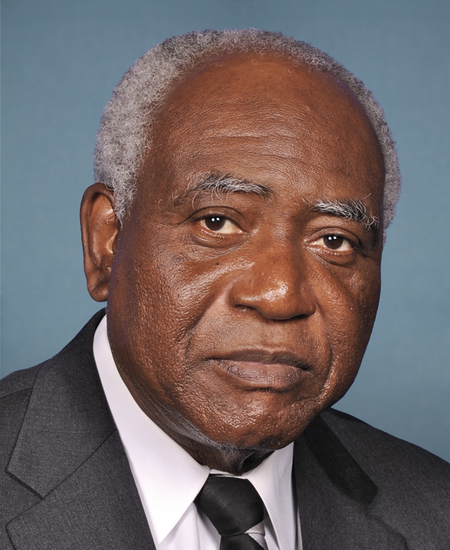
Rep. Danny K. Davis
Sponsored bills
Maddy summaryHRES 1124 is a non-binding resolution designating the last Tuesday of April each year as "APOL1-Mediated Kidney Disease (AMKD) Awareness Day." It specifically aims to raise public awareness about a genetic condition (AMKD) that disproportionately affects Black Americans, as approximately 13% of Black people carry high-risk APOL1 gene variants linked to a 1-in-5 chance of developing kidney disease. The resolution encourages individuals with African ancestry to consider genetic testing and adopt preventive health measures like regular doctor visits and healthy lifestyles to reduce kidney failure risk. It does not create new programs or funding but seeks to highlight existing health disparities and promote early intervention.
Maddy summaryHR 7892, the Student Loan Contract Act of 2024, requires that master promissory notes for federal student loans under Part D of the Higher Education Act be officially called "student loan contracts" starting after the bill's enactment. It clarifies that these contracts apply only to loans within the same award year as the initial loans covered by the contract. The bill makes this terminology change and updates related references in the Higher Education Act, but does not alter loan terms, repayment conditions, or borrower obligations. This is a procedural adjustment to standardize document naming and administrative references.
Maddy summaryHCONRES 102 is a non-binding symbolic resolution supporting International Transgender Day of Visibility, introduced by multiple House members. It formally encourages the U.S. to observe the day with ceremonies and programs, celebrates transgender community achievements, and recognizes their ongoing fight for equality amid documented discrimination in employment, healthcare, housing, and public spaces. The resolution highlights transgender representation in politics (including 21 state legislators) and historical context, while acknowledging rising anti-transgender legislation. It directly affirms the transgender community's visibility and rights without creating new policies or funding.
Maddy summaryHCONRES 101 is a symbolic resolution introduced in the U.S. House of Representatives on March 22, 2024, by multiple cosponsors. It recognizes that people with disabilities face daily barriers accessing federally funded facilities and reaffirms support for the existing Americans with Disabilities Act (ADA) and Architectural Barriers Act of 1968. The resolution pledges to prioritize "universal and inclusive design" in future federal infrastructure projects but does not create new legal requirements or alter current accessibility standards. As a concurrent resolution, it has no binding effect and serves only to express congressional support for accessibility goals.
Maddy summaryHRES 1110 is a symbolic resolution passed by the U.S. House of Representatives in March 2024 to commemorate March 2024 as National Women’s History Month. It formally supports the month’s goals, recognizes women and organizations advancing women’s history education, and highlights the intersectional contributions of Black, Hispanic, Asian, Native American, Pacific Islander, LGBTQ+, and disabled women throughout U.S. history. The resolution has no legal effect or policy changes - it serves solely as a ceremonial acknowledgment of historical milestones and ongoing advocacy for gender equality. It directly affects all Americans by affirming the significance of women’s historical contributions through official congressional recognition.

Maddy summaryHRES 1109 is a symbolic resolution commemorating the 1913 Woman Suffrage Procession in Washington, DC, where suffragists led by Alice Paul and Inez Milholland marched to demand voting rights for women. It honors the participants' courage during a protest that drew 500,000 spectators despite violent opposition, highlighting how this event advanced the national push for the 19th Amendment. The resolution does not create new laws but reaffirms support for voting rights equality, connecting the 1913 march to ongoing efforts to protect democratic access. It specifically acknowledges the intersectional struggles of women of color in the suffrage movement. As a commemorative resolution, it has no binding policy effect.
Maddy summaryThis symbolic resolution (HRES 1083) declares March 14 as "Black Midwives Day" to honor the historical and ongoing contributions of Black midwives to maternal and infant health. It does not create new laws or allocate funding but urges federal, state, and local governments to address racial disparities in maternal care through initiatives like diversifying the perinatal workforce and expanding access to culturally congruent care. The resolution highlights systemic barriers Black birthing people face, including higher maternal mortality rates and lack of culturally competent providers, and calls for policy changes to support Black midwifery. It emphasizes recognizing the role of midwives in reducing health inequities without prescribing specific legislative action.
Maddy summaryHR 7812, the National Parent and Youth Helpline Act, creates a federal grant program to establish a 24/7 national toll-free helpline for parents, caregivers, and youth facing personal challenges like emotional distress, substance abuse, or educational concerns. The grant, worth $20 million annually from 2025-2030, will fund one nonprofit to operate the helpline (via phone, text, and chat), host weekly evidence-based support groups, and maintain a resource website. It specifically prioritizes serving diverse groups, including LGBTQ+ individuals, and requires annual performance reports to the Secretary and a congressional report after three years. The bill directly affects millions of parents and youth by providing accessible, trauma-informed support to strengthen families and prevent issues like child maltreatment.
Maddy summaryThe Postsecondary Student Success Act of 2024 establishes a competitive grant program to help colleges and universities improve graduation rates for high-need students, including those from low-income backgrounds, first-generation college students, caregivers, students with disabilities, and military-connected individuals. Eligible institutions must propose evidence-based reforms (categorized by research strength) and detail how grant funds will support student retention through services like mentoring, academic support, career preparation, and transfer pathway improvements. The bill reserves 2% of funds for Tribal Colleges and Universities and requires 20% of funds to prioritize the highest-research-backed reforms (tier 3), while mandating specific uses like emergency financial aid and career coaching. It also mandates evaluations to measure reform effectiveness and requires a congressional report within 18 months of enactment.