

Maddy summaryHRES 127 is a procedural resolution requesting documents from the executive branch. It directs the President and Treasury Secretary to provide the House of Representatives, within 14 days, any documents related to the Department of Government Efficiency (DOGE) accessing Treasury payment systems or confidential taxpayer data (like tax returns, SSNs, and debt information). The resolution specifically seeks records such as emails, logs, agreements, and screenshots involving DOGE, Elon Musk, or his team. This is not a law but a formal request for transparency regarding access to government systems and taxpayer information.
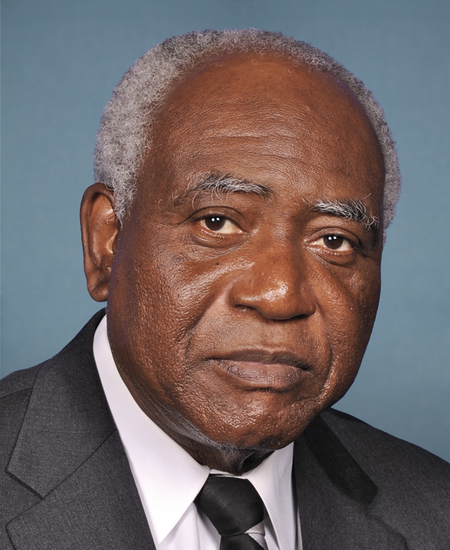
Rep. Danny K. Davis
Sponsored bills
Maddy summaryThis bill (HR 2199) prevents private health insurance plans from discriminating against patients with end-stage kidney disease (ESRD) who require dialysis. It amends the Social Security Act to prohibit plans from treating dialysis coverage differently than other medical services or applying network restrictions that disproportionately harm ESRD patients. The law clarifies that plans cannot deny or limit benefits for dialysis based on a patient’s diagnosis, while preserving a plan’s right to choose which dialysis providers are in their network. It directly affects ESRD patients and their private health insurance coverage, ensuring dialysis is treated equally with other covered medical services. The bill does not require plans to include specific dialysis providers but stops them from unfairly restricting access to necessary care.
Maddy summaryThis bill delays two Medicare billing deadlines for ground ambulance services from 2025 to 2028. It amends the Social Security Act to extend the timeline for implementing specific billing rules under Section 1834(l). The change directly affects Medicare ambulance providers by postponing compliance deadlines for billing requirements. No new services or funding are created - only a technical extension of existing timelines.
Maddy summaryThe Air America Act of 2025 authorizes one-time payments of $40,000 to individuals who worked for Air America or its affiliated companies for at least five years during 1950-1976, or to their surviving spouses, children, or dependents. Additional payments of $8,000 per full year beyond five years are allowed. The program is capped at $60 million total funding, with claims required within two years of final regulations. Payments are a single lump sum with no ongoing benefits, and the bill explicitly states it does not create new entitlements beyond this one-time award.
Maddy summaryThis bill changes a tax rule for Real Estate Investment Trusts (REITs) that use taxable subsidiaries. It increases the percentage limit for assets held in these subsidiaries from 20% to 25% of a REIT's total assets, directly affecting REIT companies that operate through such subsidiaries. The key provision amends the Internal Revenue Code to restore this higher asset threshold, which had been reduced earlier. The change applies to taxable years starting after December 31, 2025.
Preserving Patient Access to Home Infusion Act This bill specifically includes pharmacy services and home infusion drugs that are administered without a pump as part of covered home infusion therapy under Medicare. The bill also allows nurses and physician assistants to establish and review the plan of care for home infusion therapy, and it specifies that payment may be made regardless of whether a practitioner is physically present in the home at the time the drug is administered.
Maddy summaryHR 2108, the TANF State Expenditure Integrity Act of 2025, strengthens oversight of state spending under the Temporary Assistance for Needy Families (TANF) program. It creates a new TANF Program Integrity Unit at the Administration for Children & Families to monitor how states use federal TANF funds, requiring states to report misuse findings and submit annual reports to Congress. If a state intentionally misuses funds, the bill mandates that the state repay the misused amount directly as cash assistance to families earning below 100% of the poverty line. This bill directly affects states administering TANF programs and ensures misused funds are redirected to low-income families.
Maddy summaryHR 2105, the Preventing Illegal Weapons Trafficking Act of 2025, requires federal agencies (Attorney General, Homeland Security, and Treasury) to develop a strategy within 120 days to stop the illegal trafficking of machinegun conversion devices - parts that turn standard firearms into automatic weapons. The strategy must improve detection at ports, coordinate federal and local law enforcement (including ATF and FBI), trace devices used in crimes, train officers, and address 3D-printed devices. It also amends tax law to forfeit profits from illegal machinegun trafficking and mandates annual reports tracking crimes involving these devices and their origins (U.S. or foreign). The bill directly affects federal, state, and local law enforcement agencies responsible for weapons enforcement.
Maddy summaryHR 2129, the "No Round Up Act," repeals outdated provisions from the 1940 Alien Registration Act within U.S. immigration law. It specifically removes requirements for aliens to register, provide fingerprints, and submit forms under sections 261-266 of the Immigration and Nationality Act. This directly affects immigrants who would have been subject to these mandatory registration procedures under the repealed law. The bill eliminates these specific administrative mandates without creating new requirements or altering broader immigration enforcement mechanisms.
Maddy summaryHRES 216 is a resolution condemning the leadership of the House Republican Conference for allowing a social media post that falsely questioned the immigration status and patriotism of Congressman Adriano Espaillat (Chairman of the Congressional Hispanic Caucus). The resolution specifically names House Speaker Mike Johnson, Majority Leader Steve Scalise, Majority Whip Tom Emmer, and other top Republican leaders as responsible for the post. It characterizes the post as xenophobic and inappropriate, stating such rhetoric violates the standards of conduct expected of members of Congress.