

Maddy summaryThe DRIVE Act of 2025 requires the Department of Veterans Affairs (VA) to set mileage reimbursement rates for veterans at the federal government's current standard rate for employees using personal vehicles on official business, replacing the previous fixed rate of 41.5 cents per mile. It also mandates that the VA process and pay these reimbursements within 90 days of a veteran's valid request. This directly affects veterans who travel for VA medical appointments or services using their personal vehicles. The bill aligns veteran travel reimbursements with federal employee standards and ensures timely payments.
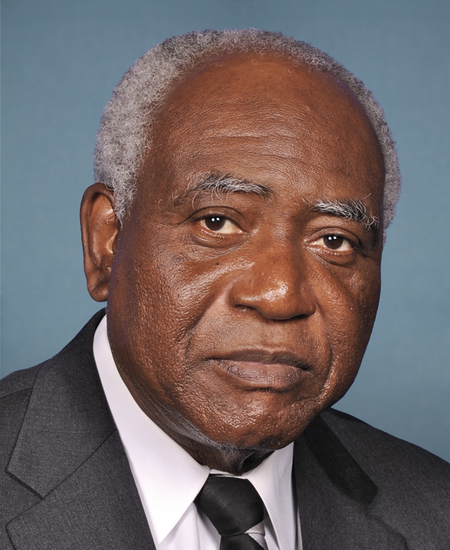
Rep. Danny K. Davis
Sponsored bills
Maddy summaryHRES 327 is a procedural resolution requesting the President to provide the House of Representatives with specific documents about Social Security Administration (SSA) operations after March 12, 2025. It seeks information on policies ending phone applications for benefits (effective March 18 and 26, 2025), office closures/consolidations, and staffing reductions. The resolution does not change laws but asks for records related to how these changes may affect public access to SSA services. This is a request for information, not a policy change.
Maddy summaryThis resolution (HRES 331) is a non-binding House of Representatives statement supporting National Youth HIV/AIDS Awareness Day. It urges state/local governments and schools to recognize the day and promotes inclusive HIV education in curricula, including information on pre-exposure prophylaxis (PrEP). The resolution calls for removing outdated HIV criminalization laws, expanding youth-friendly healthcare access (including confidential testing and treatment without parental consent), and supporting existing programs like the Ryan White HIV/AIDS Program. It specifically highlights the disproportionate impact of HIV on young Black gay and bisexual men and advocates for reducing stigma to improve health outcomes for youth living with HIV.
Maddy summaryThe Neighborhood Homes Investment Act creates a new tax credit for developers who build or rehabilitate affordable homes in distressed communities. The credit is calculated as the lesser of (1) the difference between development costs and sale price, (2) 40% of development costs, or (3) 32% of the national median home price. It applies only to homes sold to qualified homeowners with income up to 140% of area median income in designated "qualified census tracts" (areas with high poverty rates, low median home values, and low median family income). Developers must meet quality standards and repay the credit if the home is sold within 5 years of the affordable sale. This credit aims to address the "value gap" that prevents housing development in distressed communities by incentivizing affordable home construction and rehabilitation.
Maddy summaryHR 2833 makes the federal adoption tax credit refundable, meaning qualifying adoptive parents can receive cash payments even if they owe no federal income tax. This directly affects low- and middle-income adoptive families who previously could only reduce their tax bill with the credit but couldn’t get cash back. The bill moves the credit from a non-refundable to a refundable status in the tax code and adds standardized verification forms for adoptions. It takes effect for tax years beginning after December 31, 2025.
Maddy summaryThis bill repeals a restriction that previously prevented individuals from rolling over funds directly from their Individual Retirement Accounts (IRAs) to donor-advised funds (DAFs) for charitable giving. It directly affects IRA account holders who wish to make tax-advantaged charitable contributions through DAFs. The key provision amends the Internal Revenue Code to remove the specific language barring such rollovers, allowing these transfers to occur without triggering taxable distributions. The change becomes effective after the bill's enactment, streamlining a pathway for donors to support charities via DAFs using IRA assets.
Maddy summaryHR 2888, the "Stopping a Rogue President on Trade Act," terminates specific executive orders imposing tariffs (EOs 14257, 14193, and 14194) and requires congressional approval for new tariffs or trade restrictions. It directly affects the President, who can no longer unilaterally impose or increase tariffs without Congress passing a joint resolution approving the action. Key mechanisms include mandating a formal joint resolution process for tariff decisions (with limited exceptions for existing antidumping duties and trade agreements) and applying expedited congressional procedures. This bill shifts authority from the executive branch to Congress for major trade policy changes.
Maddy summaryThis bill prevents the U.S. government from diverting, delaying, or reassigning federal funds specifically designated for the National Weather Service and Great Lakes programs without new congressional approval. It directly affects NOAA’s operations in these areas by requiring that existing appropriations cannot be altered without explicit new legislation referencing this bill. The law mandates annual certification from NOAA’s Administrator to five congressional committees confirming compliance with these funding protections. This is a procedural measure focused on safeguarding current funding streams, not creating new programs or altering weather service operations.
Maddy summaryHRES 314 is a resolution requesting the President and Secretary of Health and Human Services to provide documents to the House of Representatives about the so-called Department of Government Efficiency (DOGE) seeking access to two federally protected data systems: the National Directory of New Hires (NDNH) and Federal Parent Locator Service (FPLS). The resolution seeks records on DOGE's requests for taxpayer and child support data, data security measures, legal opinions, and staff changes related to these systems, which store sensitive information on over 40 million Americans. This procedural resolution focuses on transparency around access to legally protected data, not on enacting new policy.
Maddy summaryHRES 317 is a non-binding resolution urging the U.S. government to lead global efforts to halt and reverse the nuclear arms race. It calls on the President to pursue negotiations with nuclear-armed states to reduce arsenals, end the U.S. policy allowing first use of nuclear weapons, eliminate immediate launch readiness, stop developing new weapons, and support communities affected by nuclear programs. The resolution emphasizes diplomatic action over military modernization to reduce nuclear risks and prevent catastrophic conflict.