

Stop the Wait Act of 2022 This bill allows individuals with disabilities to begin receiving Social Security Disability Insurance (SSDI) benefits in the month they become eligible for the benefits. It also allows these individuals to immediately enroll in Medicare if they cannot afford minimum essential coverage. (Under current law, an individual must generally wait 5 months after the onset of disability to begin receiving SSDI benefits and an additional 24 months to become eligible for Medicare.)
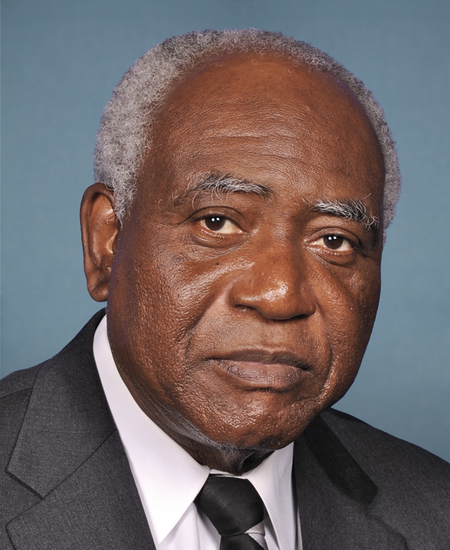
Rep. Danny K. Davis
Sponsored bills
Right to Equitable and Professional Auto Industry Repair Act or the REPAIR Act This bill requires a motor vehicle manufacturer to provide to a vehicle's owner certain direct, real-time, in-vehicle data generated by the operation of the vehicle that is related to diagnostics, repair, service, wear, and calibration or recalibration of parts and systems of the vehicle. Specifically, a vehicle manufacturer may not impair an owner's access to such vehicle-generated data or impair an aftermarket parts manufacturer from producing or offering compatible aftermarket parts. A manufacturer also must make available to the vehicle's owner, and designees, vehicle-generated data through a standardized access platform. Outside of a recall, a manufacturer may not mandate or recommend the use of a particular brand or manufacturer of parts, tools, or equipment. The National Highway Traffic Safety Administration must issue standards for access to vehicle data through the standardized access platform. The Federal Trade Commission must establish an advisory committee to assess and report on existing and emerging barriers to vehicle repair and vehicle owners' control over their vehicle-generated data. This bill provides authority for the commission to enforce these requirements.
Wireless Electric Vehicle Charging Grant Program Act of 2022 This bill requires the Department of Transportation to establish the Wireless Electric Vehicle Charging Grant Program to award grants on a competitive basis for projects to construct, install, or improve existing wireless charging infrastructure and technology for electric vehicles.
Funding Early Childhood is the Right IDEA Act This bill authorizes through FY2027 specified provisions of the Individuals with Disabilities Education Act for early childhood education. Specifically, the bill authorizes Part B, Section 619 (grants to states for preschool programs serving children with disabilities ages three to five) and Part C (grants to aid states in implementing early intervention services for infants and toddlers with disabilities and their families).
This resolution recognizes the cultural and historical significance of the Lunar New Year. The resolution expresses, in observance of this Lunar New Year, the Year of the Tiger, the deepest respect of the House of Representatives for Asian Americans and all individuals throughout the world who celebrate this significant occasion. The resolution wishes Asian Americans and all individuals who observe this holiday a happy and prosperous new year.
Maddy summaryHR 6525, the Lunar New Year Day Act, would designate the Lunar New Year as an official federal holiday. The bill amends Section 6103(a) of Title 5 of the U.S. Code to add "Lunar New Year Day" to the list of holidays observed by federal employees. This holiday would be observed on the actual date of the Lunar New Year, which varies annually based on the lunar calendar. As a result, federal employees would receive a paid day off, and federal agencies would adjust operations to accommodate the new holiday.
This resolution expresses support for the goals and ideals of PCOS Awareness Month. Polycystic ovary syndrome (PCOS) is caused by a hormone imbalance. Symptoms can include infertility, weight gain, excess hair growth, and acne.
This resolution expresses support for the goals and ideals of Korean American Day and honors the 119th anniversary of the arrival of the first Korean immigrants to the United States.
Federal Adjustment of Income Rates Act or the FAIR Act This bill modifies pay rates for federal employees in 2023. Specifically, the bill increases rates under the statutory pay systems and for prevailing rate employees by 4.1% and increases locality pay by 1%.
Masks for All Act of 2022 This bill directs the Federal Emergency Management Agency (FEMA) to manufacture and distribute N-95 respirator masks to every individual in the United States and to provide N-95 masks to all individuals working in health care settings in the United States that are experiencing a shortage of such masks. FEMA must provide the masks at no cost to individuals and deliver them, to the greatest extent possible, using the U.S. Postal Service. Additionally, FEMA shall designate mask pickup sites in each community and shall provide masks to each site, allocated according to population; consider new designs for masks to improve comfort, fit, and size options; and submit to Congress a strategic plan that includes monthly, measurable targets to eliminate shortages and increase domestic production of N-95 masks and to fulfill all other requirements of this bill. The President shall make use of any and all available authorities (including emergency authorities) at the disposal of the federal government to procure and domestically manufacture N-95 masks and support the domestic manufacturing of N-95 masks.