

Maddy summaryHR 2699 is a one-time exception granting permanent residency to a specific individual, Felipe Diosdado, bypassing standard immigration requirements. The bill waives grounds for removal or denial of admission based on his existing records, allows him to apply for permanent residency within two years of enactment, and requires the State Department to reduce one immigrant visa slot for his country of origin. It also explicitly denies preferential immigration treatment to his parents, siblings, and brothers under the Immigration and Nationality Act. This is a procedural bill affecting only Felipe Diosdado, not a general policy change.
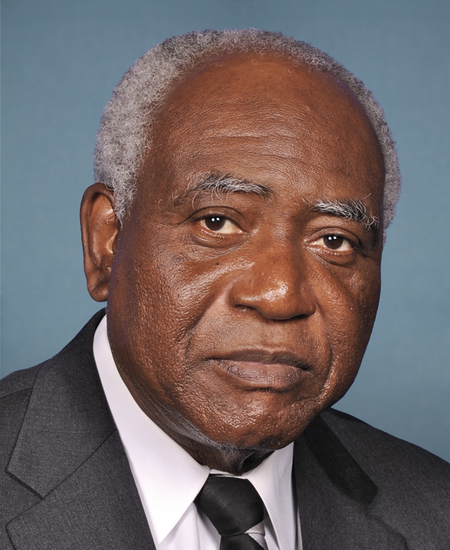
Rep. Danny K. Davis
Sponsored bills
Maddy summaryThe Ending PUSHOUT Act of 2023 aims to reduce discriminatory school discipline practices that disproportionately push students of color, particularly girls of color, out of school. It requires schools to collect detailed data on disciplinary actions disaggregated by race, ethnicity, gender identity, disability status, and other factors to identify patterns of overuse and discrimination. The bill provides grants to schools to implement trauma-informed practices, restorative approaches, and mental health supports instead of exclusionary discipline, while prohibiting out-of-school suspensions for minor infractions in early grades and banning practices like corporal punishment and certain restraints. It also establishes a joint task force with diverse representation to study discipline disparities and recommend solutions to prevent students from being pushed out of schools. The legislation seeks to create safer school environments by addressing the root causes of discipline issues rather than relying on punitive measures.
Maddy summaryHR 2665 delays Medicaid payment reductions for safety net hospitals by two years, changing the effective date from 2024 to 2026 under Section 1923(f)(7)(A) of the Social Security Act. This bill directly affects hospitals that serve high numbers of low-income and uninsured patients, providing them with additional time before facing reduced federal Medicaid payments. The key mechanism is a technical amendment to existing law, postponing an already scheduled payment adjustment without altering funding levels or eligibility. As a procedural bill, it does not create new programs or change hospital requirements.
Maddy summaryThe "For the 99.5 Percent Act" (HR 2676) would increase estate and gift taxes for large estates by lowering the basic exclusion amount from $750,000 to $3.5 million and implementing higher tax rates for estates over that threshold. It would limit discounts on estate valuations for family-owned businesses and nonbusiness assets, require minimum 10-year terms for certain trusts, and eliminate tax exemptions for transfers to certain beneficiaries. These changes would directly affect individuals with estates valued over $3.5 million, particularly those using complex trust structures to minimize tax liability. The bill aims to increase tax revenue from the top 0.5% of estates by making it harder to avoid estate taxes through various valuation techniques and trust arrangements. The changes would take effect for estates of decedents dying, and gifts made, after December 31, 2023.
Small Business Tax Equity Act of 2023 This bill exempts a trade or business that conducts marijuana sales in compliance with state law from a provision in the Internal Revenue Code that prohibits business-related tax credits or deductions for expenditures in connection with trafficking in controlled substances.
Maddy summaryThis bill amends tax law to allow charitable organizations to fund collegiate housing projects without losing their tax-exempt status. Specifically, it permits 501(c)(3) charities to make grants for building, improving, or maintaining housing properties where full-time students live, as long as the housing is connected to a college or university. Grants cannot fund fitness facilities, and the bill clarifies that housing must primarily serve students (not incidental social activities). It directly affects charitable organizations and universities seeking tax-qualified funding for student housing infrastructure.
Maddy summaryThis resolution (HRES 281) supports National Youth HIV/AIDS Awareness Day (observed April 10) and calls for actions to address HIV disparities affecting young people. It directly affects youth aged 13-24, particularly African-American youth and young gay/bisexual men, who face higher HIV diagnoses and barriers to care. Key provisions include encouraging state/local governments to recognize the day, promoting inclusive sex education with medically accurate HIV prevention info (like PrEP), supporting youth-friendly healthcare access without parental consent, and urging funding for programs like the Ryan White HIV/AIDS Program. The resolution does not create new laws or allocate funds but advocates for policy changes to reduce stigma, improve access to care, and align with existing federal HIV strategies.
Maddy summaryHR 2413, the Dental Care for Veterans Act, reclassifies dental care as standard medical services under the VA's existing benefits structure, eliminating prior restrictions that treated dental care separately. It modifies how dental appliances are procured and establishes a phased eligibility timeline: veterans already eligible for dental benefits gain immediate access, while others qualify over 1-4 years based on their current benefit status. The bill affects all veterans currently covered under VA dental programs, changing their access to care without creating new funding. Key provisions streamline dental service delivery under Title 38, aligning it with other medical benefits.
Maddy summaryHJRES 54 proposes a constitutional amendment stating that only natural persons (human beings) have rights protected by the U.S. Constitution, explicitly denying constitutional rights to corporations, limited liability companies, and other artificial entities. It would require governments to regulate or restrict corporate political contributions and spending to ensure equal access to elections, mandate public disclosure of all political spending, and clarify that campaign finance rules do not violate the First Amendment. This amendment directly affects corporations and other artificial entities by removing their constitutional standing in legal challenges and subjecting their political activities to stricter government oversight. If passed, it would fundamentally change how corporations interact with election laws and constitutional protections, though it preserves press freedom under Section 3. The bill is a proposed amendment requiring ratification by 3/4 of state legislatures to become part of the Constitution.
Securing Access to Lower Taxes by ensuring Deductibility Act or the SALT Deductibility Act This bill repeals the temporary restrictions in taxable years 2018 through 2025 on the deductibility of state and local taxes.