

Maddy summaryHR 5008, the HEAL for Immigrant Families Act of 2023, would remove immigration status as a barrier to health insurance coverage for immigrants in the United States. The bill would make all lawfully present immigrants, including those with Deferred Action for Childhood Arrivals (DACA) status, eligible for Medicaid, CHIP, and Affordable Care Act health insurance subsidies. It would eliminate state-level restrictions on Medicaid eligibility for immigrants and allow individuals with federally authorized presence to access premium tax credits and cost-sharing reductions. This legislation aims to address health coverage disparities that disproportionately affect immigrant communities, particularly Black, Indigenous, Latinx, and other communities of color.
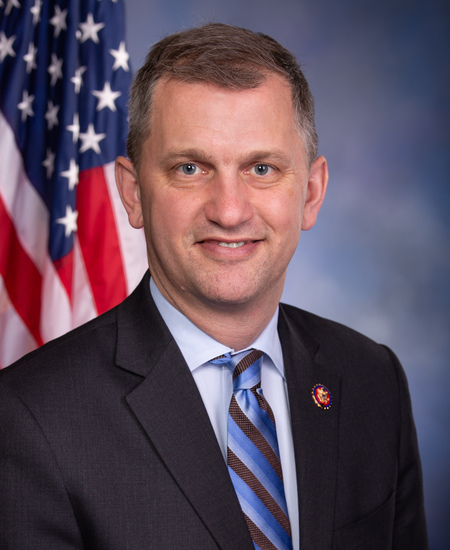
Rep. Sean Casten
Sponsored bills
Maddy summaryThe Social Security 2100 Act would significantly enhance Social Security benefits for millions of Americans by increasing monthly payments for retirees, disabled workers, widows/widowers, and children. Key provisions include raising the minimum benefit for long-term low earners, improving cost-of-living adjustments using a more accurate index, eliminating the 5-month waiting period for disability benefits, and extending child benefits to age 26. The bill also changes how Social Security taxes are calculated by applying them to income above $400,000 and establishes a unified Social Security Trust Fund to manage program finances. Most provisions would apply to benefits payable from 2025 through 2034, affecting all current and future Social Security beneficiaries.
Maddy summaryHR 4475, the Period PROUD Act of 2023, allocates $1.9 billion over four years (2025-2028) through the Social Services Block Grant Program to provide free menstrual products to low-income menstruating individuals. It requires states to distribute funds to qualified nonprofits for direct product distribution, community outreach, and improving access, while limiting administrative costs to 9% of funds. The bill mandates an evaluation by 2030 to assess health impacts and requires annual reports on program effectiveness. It also establishes best practices for schools on discussing menstruation and exempts funding from automatic budget cuts.
Maddy summaryThe PrEP Access and Coverage Act of 2023 requires private health insurance plans, Medicare, Medicaid, and other public health programs to cover pre-exposure prophylaxis (PrEP) for HIV prevention without cost-sharing, including the medication, related lab tests, and follow-up care. The bill also prohibits life, disability, and long-term care insurance companies from denying coverage or charging higher premiums to people taking PrEP. It establishes public education campaigns to increase awareness of PrEP and PEP (post-exposure prophylaxis) and creates funding for state and community programs to expand access to HIV prevention services, particularly for populations disproportionately affected by HIV including Black, Hispanic/Latinx, and transgender individuals. The legislation specifically addresses current disparities in PrEP access, as data shows only 11% of Black/African American and 21% of Hispanic/Latinx individuals eligible for PrEP received prescriptions in 2022 compared to 82% of White individuals. Coverage requirements for most plans will take effect on January 1, 2025.
Maddy summary# Summary of the Farm Workforce Modernization Act of 2023 This comprehensive legislation introduces significant reforms to employment verification and immigration processes in the United States, with particular focus on agricultural workers. Key provisions include: ## Electronic Verification System (Section 301) - Establishes a new electronic verification system (replacing E-Verify) that must confirm identity and employment authorization within 3 business days - Includes photo matching tools, individual monitoring features, and fraud prevention measures - Requires employers to verify employment eligibility through this system ## Agricultural Industry Requirements (Section 302) - Mandates electronic verification for agricultural employers based on business size: * 500+ employees: 6 months after application period * 100-499 employees: 9 months after application period * 20-99 employees: 12 months after application period * 1-19 employees: 15 months after application period - Creates rural access points through USDA offices to assist with verification challenges ## System Modernization (Section 303) - Repeals the E-Verify Program and replaces it with the new verification system - Requires former E-Verify users to transition to the new system ## Compensation for Errors (Section 301) - Establishes an Electronic Verification Compensation Account to reimburse workers for lost wages due to government errors in verification - Includes procedures for contesting non-confirmations and appealing final nonconfirmations ## Additional Protections - Prohibits unfair immigration-related employment practices (e.g., terminating employees due to tentative nonconfirmations) - Creates a new compensation mechanism for workers wrongfully denied employment - Requires employers to provide specific notices to individuals with verification issues This legislation represents a major overhaul of employment verification processes, with special attention to agricultural workers and a focus on reducing errors that could lead to wrongful termination or denied employment. It also includes significant protections for workers against discrimination based on immigration status.
Maddy summaryThe LIFT the BAR Act removes barriers preventing lawfully present noncitizens from accessing federal benefits like food assistance, Medicaid, and school meals. It repeals specific 1996 welfare law provisions that excluded noncitizens and updates terminology to replace "alien" with "noncitizen" throughout federal law. The bill expands eligibility to include noncitizens in categories such as Deferred Action for Childhood Arrivals (DACA) recipients, individuals with special immigrant juvenile status, and those with pending U-visa applications. This change ensures more noncitizens lawfully present in the U.S. can access essential services without being denied based on immigration status.
Maddy summaryThe Menstrual Equity For All Act of 2023 requires free menstrual products to be available at no cost in public schools, colleges, correctional facilities, and federal buildings. It makes menstrual products covered by Medicaid, prohibits taxes on these products, and provides funding through social services programs to help low-income individuals access menstrual products. The bill directly affects students (K-12 and college), incarcerated people, homeless individuals, employees (in businesses with 100+ workers), Medicaid beneficiaries, and people receiving Temporary Assistance for Needy Families (TANF). Key provisions include amending school funding to require free products, creating college grant programs for menstrual product distribution, and adding menstrual products to Medicaid coverage and social services programs.
Maddy summaryHR 3589, the Affordability is Access Act of 2023, requires health insurance plans to cover FDA-approved over-the-counter birth control without cost-sharing (like copays or deductibles). It directly affects millions of people who use contraception, particularly low-income individuals and those in areas with limited access to reproductive health services ("contraceptive deserts"). The bill clarifies that existing insurance coverage rules under the Affordable Care Act apply to over-the-counter contraceptives, and directs the FDA to expedite reviews for over-the-counter status. Retailers must not block access to these products but may refuse sales if payment isn’t provided.
Maddy summaryThe FAMILY Act (HR 3481) would establish a national paid family and medical leave insurance program administered by the Social Security Administration. Eligible workers would receive wage replacement benefits (up to 85% of average earnings, with a maximum of $4,000 monthly) for up to 60 caregiving days per 12-month benefit period for qualifying reasons like caring for a sick family member, personal serious health conditions, or responding to domestic violence. The program would be funded through 0.2% payroll taxes from employees and employers (with self-employed individuals paying 0.4%), with benefits coordinated with existing state programs. The law includes protections against employer retaliation for taking leave and requires employers to maintain health coverage during leave periods.
Maddy summaryHR 3443, the Foster Youth Mentoring Act of 2023, creates a federal grant program to fund structured mentoring programs for youth in foster care and those who have aged out of foster care (under age 26). The bill authorizes $50 million annually for grants to eligible organizations (like nonprofits, state agencies, or tribes) to establish or expand mentoring that provides consistent, year-long relationships focused on academic support, emotional development, and transition to adulthood. Key requirements include mandatory mentor training on trauma, cultural competence, and child welfare coordination, along with strict background checks and recruitment strategies to reflect the diversity of youth served. The program directly affects approximately 443,000 youth in foster care (per 2017 data) and aims to improve their educational outcomes, reduce school absences, and build supportive connections through evidence-based mentoring.