

Assault Weapons Ban of 2022 This bill makes it a crime to knowingly import, sell, manufacture, transfer, or possess a semiautomatic assault weapon (SAW) or large capacity ammunition feeding device (LCAFD). The prohibition does not apply to a firearm that is (1) manually operated by bolt, pump, lever, or slide action, except for certain shotguns; (2) permanently inoperable; (3) an antique; (4) only capable of firing rimfire ammunition; or (5) a rifle or shotgun specifically identified by make and model. The bill also exempts from the prohibition the following, with respect to a SAW or LCAFD: importation, sale, manufacture, transfer, or possession related to certain law enforcement efforts, or authorized tests or experiments; importation, sale, transfer, or possession related to securing nuclear materials; and possession by a retired law enforcement officer. The bill permits continued possession, sale, or transfer of a grandfathered SAW, which must be securely stored. A licensed gun dealer must conduct a background check prior to the sale or transfer of a grandfathered SAW between private parties. The bill permits continued possession of, but prohibits sale or transfer of, a grandfathered LCAFD. Newly manufactured LCAFDs must display serial number identification. Newly manufactured SAWs and LCAFDs must display the date of manufacture. The bill also allows a state or local government to use Edward Byrne Memorial Justice Assistance Grant Program funds to compensate individuals who surrender a SAW or LCAFD under a buy-back program.
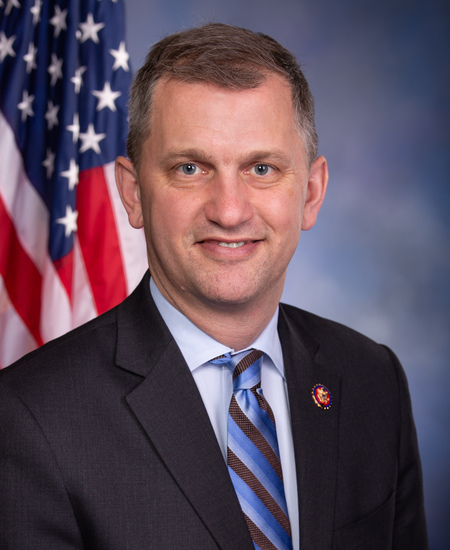
Rep. Sean Casten
Sponsored bills
Energy Consumer Protection Act of 2022 This bill expands enforcement provisions under the Federal Power Act and the Natural Gas Act, including by allowing the Federal Energy Regulatory Commission to temporarily or permanently ban any person from trading in energy markets if the person (1) violates those acts by manipulating the electricity or natural gas markets, or (2) files false information regarding those markets.
Keeping Girls in School Act This bill authorizes the U.S. Agency for International Development (USAID) to enter into agreements to address social, cultural, health, and other barriers that adolescent girls face in accessing quality secondary education. The USAID shall seek to ensure that such activities meet various requirements related to monitoring and evaluating outcomes, collecting data, and using specified indicators and methodologies for international basic education. The Department of State shall periodically update and report to Congress a publicly available U.S. global strategy to empower adolescent girls, and the USAID shall periodically report to Congress on the activities initiated under this bill and efforts to monitor and evaluate such activities.
NOAA Chief Scientist Act This bill revises requirements concerning the qualifications and responsibilities of the Chief Scientist in the National Oceanic and Atmospheric Administration (NOAA). Specifically, the bill establishes new minimum qualification requirements for the position of the Chief Scientist. It also outlines new responsibilities of the Chief Scientist. For example, the Chief Scientist must follow NOAA's scientific integrity policies and ensure NOAA's employees and contractors adhere to the policies as well. In addition, the Chief Scientist must (1) provide policy and program direction for the science and technology priorities of NOAA, and (2) manage the Office of the Chief Scientist.
Shirley Chisholm Congressional Gold Medal Act This bill provides for the posthumous presentation of a Congressional Gold Medal in commemoration of Shirley Chisholm, in recognition of her activism, independence, and groundbreaking achievements in politics, election as the first African American woman in Congress, and campaign to be the first African American to gain the nomination of a major political party for President of the United States. Following its award, the gold medal shall be given to the Smithsonian Institution where it shall be available for display and research.
Overdraft Protection Act of 2021 This bill prohibits a financial institution from engaging in unfair or deceptive acts in connection with overdraft coverage. Each financial institution that offers overdraft coverage for accounts must disclose overdraft coverage fees. It must also disclose that the consumer's transaction may be declined if there are insufficient funds in the related account, and the consumer will not be charged a fee if such transaction is declined. A financial institution must provide certain other disclosures regarding its overdraft protection program, including prompt notification of the account's overdraft status. The bill limits the number of overdraft fees a consumer may be charged each month and year, and provides that such fees must be reasonable. The bill prohibits an overdraft coverage fee if the overdraft results solely from a debit hold amount that exceeds the actual dollar amount of the transaction. The bill also prohibits a financial institution from charging a non-sufficient fund fee for any automated teller machine or debit card transaction, or reporting negative information regarding consumer use of overdraft coverage to any consumer reporting agency when the overdraft amounts and coverage fees are paid under the terms of an overdraft coverage program.
Naomi Schwartz Safe Parking Program Act of 2021 This bill directs the Department of Housing and Urban Development to establish a grant program for safe parking programs operated by local governments, tribes, nonprofit organizations, and certain organizations that assist the homeless. Safe parking programs provide homeless individuals living in vehicles with (1) a safe place to park overnight to facilitate a transition to stable housing, and (2) services including rehousing assistance and case management.
Equal Access to Justice for Victims of Gun Violence Act of 2022 This bill removes limitations on the civil liability of gun manufacturers and the disclosure of gun trace data in civil actions. Specifically, the bill repeals the Protection of Lawful Commerce in Arms Act, which prohibits civil actions against a firearm or ammunition manufacturer, seller, importer, dealer, or trade association for damages resulting from the criminal or unlawful misuse of a firearm. Additionally, the bill states that firearms trace data maintained by the Bureau of Alcohol, Tobacco, Firearms and Explosives is not immune from legal process. Such data is subject to discovery; is admissible as evidence; and may be used, relied on, or disclosed in a civil action or administrative proceeding.
SEC Disclosure Effectiveness Testing Act This bill requires the Securities and Exchange Commission (SEC) to assess the usefulness of certain disclosure rules to retail investors. Specifically, the SEC must make these assessments regarding both current and new securities rules and regulations that require the disclosure of documents or information to retail investors.
Right to Contraception Act This bill sets out statutory protections for an individual's right to access and a health care provider's right to provide contraception and related information. Contraception refers to an action taken to prevent pregnancy, including the use of contraceptives (i.e., a device or medication used to prevent pregnancy), fertility-awareness based methods, and sterilization procedures. Generally, the bill prohibits measures that single out and impede access to contraception and related information. However, a party may defend against a claim that a measure violates the bill's prohibitions by demonstrating, through clear and convincing evidence, that the measure significantly advances access to contraception and cannot be achieved through less restrictive means. The Department of Justice, individuals, or health care providers may bring a lawsuit to enforce this bill, and states are not immune from suits for violations.