Maddy summaryThe Humane Cosmetics Act of 2023 bans cosmetic animal testing in the United States, prohibiting companies from conducting or contracting such testing after its enactment (effective 1 year later). It also bans selling or transporting cosmetics developed using animal testing conducted after that date within U.S. interstate commerce. The law directly affects cosmetic manufacturers, retailers, and suppliers operating in the U.S. market, requiring them to use non-animal testing methods for safety evaluations. Exceptions exist for foreign regulatory requirements or when no alternative testing methods are available for specific ingredients.
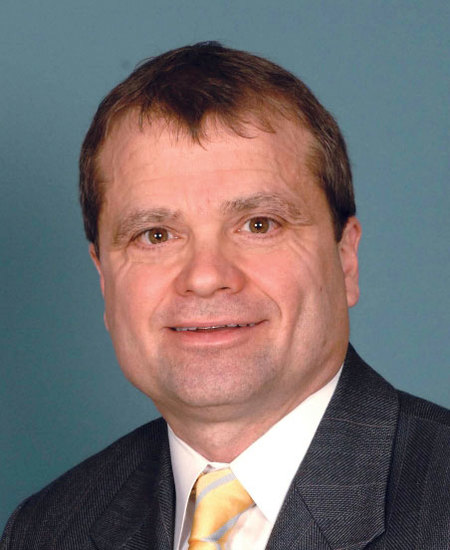
Rep. Mike Quigley
Sponsored bills
Maddy summaryThe No Tax Breaks for Union Busting Act would deny tax deductions for employers who attempt to influence employees' decisions about union activities, including unfair labor practices like firing workers for organizing or using captive audience meetings. It targets expenses related to union-busting tactics, such as consulting fees and other costs used to sway workers' opinions about collective bargaining. Employers would need to report these expenses on tax returns and would no longer be able to deduct them from taxable income. The bill aims to prevent employers from using tax-deductible expenses to influence union elections, aligning with existing rules that deny tax deductions for political spending. It would apply to expenses incurred in taxable years beginning 240 days after enactment.
Maddy summaryHR 5428, the No Tax Breaks for Union Busting (NTBUB) Act, prevents employers from deducting certain expenses related to influencing workers' decisions about union representation. It targets spending on tactics like anti-union meetings, workplace surveillance, or consultants during organizing campaigns, making these costs non-deductible for tax purposes. Employers must report such expenses on their tax returns, including details about the activities and amounts spent. The bill aims to remove tax incentives for employer interference in union elections, aligning with federal labor law protections for workers' collective bargaining rights.
Maddy summaryHR 3152, the "Fight CRIME Act," aims to maintain international restrictions on Iran's missile-related activities by requiring diplomatic efforts to extend these restrictions before they expire in October 2023. The bill mandates annual reports detailing U.S. diplomatic strategies, potential impacts of expiration, and measures to deter missile technology transfers to Iran. It establishes sanctions against foreign individuals or entities that knowingly support Iran's missile or drone programs, including asset freezes and visa restrictions. These sanctions apply regardless of whether UN restrictions remain in effect after their expiration, directly affecting foreign entities involved in these activities.
Maddy summaryHRES 668, the BUDS Resolution, amends House rules to allow bipartisan joint sponsorship of public bills and resolutions by one majority-party and one minority-party member. This change directly affects House members seeking to co-sponsor legislation with cross-party support, updating the existing rules for naming cosponsors and submitting constitutional authority statements. The key mechanism requires that for joint sponsorship, one sponsor must represent the majority party and the other the minority party, with both sponsors sharing responsibility for related procedural steps. This procedural adjustment streamlines the process for bipartisan co-sponsorship without altering legislative policy.
Maddy summaryHR 4302, the Transparency in Energy Production Act of 2023, requires energy companies seeking or holding leases to develop operations on public or Indian lands to disclose standardized environmental data. This applies to both fossil fuel projects (like oil and gas) and renewable energy projects (like wind and solar), mandating annual reports that detail greenhouse gas emissions, water use, biodiversity impacts, and other metrics disaggregated by state and operation type. Companies must submit these reports to the relevant federal agency (Interior or Agriculture) at lease application and annually thereafter, with failure to comply risking lease denial or suspension. The data must be published online in a machine-readable format and included in regular congressional reports assessing environmental impacts, wildfire risks, supply chain sources, and lifecycle effects of energy production.
Maddy summaryThis bill authorizes increased federal funding for early childhood special education programs under the Individuals with Disabilities Education Act (IDEA). It specifically restores funding for Part C (services for infants and toddlers with disabilities) and Section 619 (preschool programs for children with disabilities ages 3-5) by setting annual appropriations from $503 million to $1.22 billion for Section 619 and $932 million to $1.73 billion for Part C through 2028. These funds would directly support states in delivering high-quality early intervention and preschool services to children with disabilities and their families. The bill aims to reverse decades of reduced per-child funding, which had fallen significantly from historical highs.
Maddy summary# Summary of the "Protecting Our Democracy Act" This comprehensive legislation aims to strengthen democratic processes, increase government transparency, and prevent foreign interference in elections. Key provisions include: ## Ethics and Transparency - **Ethics Pledge**: Requires all appointees to sign an ethics pledge committing to: - Ban on gifts from registered lobbyists - 2-year revolving door ban (prohibiting participation in matters related to former employers) - Golden parachute ban (no special payments from former employers) - Commitment to decision-making based on public interest - **Tax Transparency**: Requires presidential and vice presidential candidates to disclose 10 years of tax returns, with sitting presidents submitting returns within 30 days of enactment ## Campaign Finance and Foreign Interference - **Foreign Contact Reporting**: Requires political committees to report any contact with "covered foreign nationals" within 1 week - **Enhanced Penalties**: Criminal penalties of up to $1 million and 5 years in prison for violations - **Online Advertising Rules** ("Honest Ads Act"): - Requires clear disclosure of who paid for political ads online - Mandates machine-readable public databases of political ads - Requires visible sponsor identification that remains when ads are shared - Defines "qualified political advertisements" to include various online formats ## Preventing Patronage Systems - Limits exceptions to competitive service for federal positions - Restricts transferring positions between competitive and excepted service - Requires employee consent for position transfers ## Use of Federal Property - Prohibits holding national political conventions on federal property - Requires publicly available visitor records at White House and other official locations (with privacy exceptions) The legislation establishes detailed definitions, reporting requirements, and enforcement mechanisms across multiple agencies, with the goal of increasing transparency, preventing foreign interference, and ensuring ethical conduct in government service.

Animal Welfare Enforcement Improvement Act This bill revises the licensing process of the Department of Agriculture (USDA) for animal dealers and exhibitors to expand USDA's oversight and enforcement of animal welfare requirements. Dealers and exhibitors must apply to USDA for licenses or renewal licenses each year. In order to obtain the licenses or renewals, dealers and exhibitors must meet certain standards for the humane treatment of animals and pass inspections as specified by this bill. USDA may not issue or renew such licenses if the dealers or exhibitors have violated laws relating to animals or if the issuance of the licenses would facilitate the circumvention of state or local laws that prohibit the private ownership of certain animals. Further, USDA must suspend the licenses of dealers or exhibitors whose violations present a risk to animal welfare. USDA must revoke the licenses if the violations persist or if the licensees commit multiple violations. Dealers and exhibitors with suspended or revoked licenses may not be (1) granted another license, (2) granted another license through another person or entity, or (3) employed by another licensee to work with animals during the period of the suspension or revocation.
This concurrent resolution opposes actions that undermine Israel's future as a Jewish, democratic state. The resolution expresses that democracy is at the core of the special relationship between the United States and Israel, and that Congress stands with all Israelis seeking to defend liberal democracy, judicial review, and independent political institutions.