

Maddy summaryHR 6041, the Runaway and Homeless Youth and Trafficking Prevention Act of 2023, expands federal support for services targeting youth aged 12-26 experiencing homelessness or running away from home. The bill establishes grants for short-term shelter (Basic Center Program), longer-term transitional housing (Transitional Living Program), and specialized services for youth at risk of or experiencing trafficking (Sexual Abuse and Trafficking Prevention Program). It requires grantees to provide trauma-informed, culturally appropriate services that address substance use, mental health, education needs, and connections to caring adults, with special attention to vulnerable populations including LGBTQ youth, youth of color, and those involved with child welfare or justice systems. The bill authorizes $200 million annually for these programs through fiscal year 2028, with specific funding allocations for different program components.
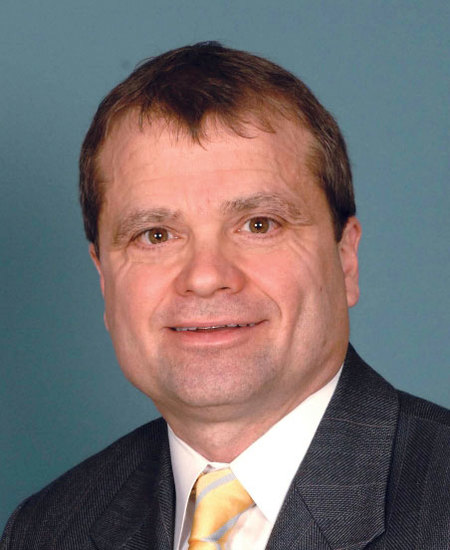
Rep. Mike Quigley
Sponsored bills
Maddy summaryThis bill authorizes a one-time $40,000 payment to former Air America employees who served at least five years during 1950-1976, or to their survivors (widows/widowers, dependents, or children). Additional $8,000 payments are provided for each full year of service beyond five years. The total funding is capped at $60 million, with claims due within two years of regulations being finalized. It does not create ongoing benefits or change Air America’s legal status, and payments are issued as a single lump sum.
Maddy summaryThe Safe Schools Improvement Act (HR 6031) requires public elementary and secondary schools to implement comprehensive anti-bullying policies that specifically prohibit harassment based on protected characteristics like race, gender identity, disability, religion, and sexual orientation. It mandates schools to collect and publicly report annual data on bullying incidents while establishing clear grievance procedures for students and parents. The bill also requires states to submit biennial reports on school compliance and supports evidence-based interventions, such as restorative practices, to reduce exclusionary discipline. This legislation directly affects all public K-12 schools and students in the U.S., aiming to create safer learning environments through standardized policy requirements and data transparency.
Maddy summaryHR 5907, the Stop Transnational Repression Act, creates a new federal crime for foreign governments or their agents to coerce, harass, threaten, or target U.S. persons (including activists, journalists, and dissidents) through physical or digital means, such as hacking, stalking, or intimidation, both within the U.S. and abroad. It establishes penalties of up to 10 years in prison for the offense, with enhanced penalties for violent acts or when committed under foreign government direction. The bill requires the Justice Department to centralize investigations and prosecutions of such cases and mandates annual reports to Congress detailing incidents, tactics used by foreign governments, and government efforts to disrupt transnational repression. This law directly affects U.S. citizens and residents targeted by foreign governments seeking to silence criticism or opposition.
Maddy summaryHR 1809 requires the U.S. Commerce Secretary to develop a strategy preventing U.S. exports of specific microelectronics (like microcontrollers, GPS modules, and circuit boards) to Iran for use in drone production. It also directs the State Department to coordinate with European and Asian allies to block similar technology transfers to Iran. The bill targets dual-use components that have been found in Iranian drones used by Russia in Ukraine, aiming to stop these technologies from supporting Iran's drone industry. This policy directly affects U.S. manufacturers of these components, their distributors, and international partners involved in exporting such technology to Iran.
Maddy summaryHRES 751 is a non-binding resolution designating October 1, 2023, as "National Animal Rescue Day" to raise public awareness about animal adoption and spaying/neutering. It directly supports animal shelters, rescue organizations, and the public by encouraging adoption events, educational activities, and charitable support on that date. The resolution aims to reduce shelter overcrowding and euthanasia rates by promoting adoption and responsible pet ownership through nationwide observance. It does not create new laws or funding but expresses congressional support for existing animal rescue efforts.
Maddy summaryHR 5797, the Protecting Immigrants From Legal Exploitation Act of 2023, targets fraud in immigration services by imposing criminal penalties on individuals who falsely claim legal authority or defraud immigrants. It makes it a federal offense to execute schemes involving false promises about immigration services (up to 10 years in prison) or falsely represent oneself as an attorney (up to 15 years), requiring full reimbursement to victims. The bill mandates that immigration service providers (non-lawyers charging fees) identify themselves and disclose fees when assisting applicants, and allows immigrants to withdraw fraudulent applications without penalty. It also requires government agencies to create outreach programs educating immigrants on legitimate legal services and establish procedures for corrected filings.
Maddy summaryThis bill requires websites and applications used by public entities, businesses, and employers to be accessible to people with disabilities. It directs the Department of Justice and Equal Employment Opportunity Commission to establish accessibility standards within 24 months, with special consideration for small businesses. The law defines accessibility as websites that are perceivable, operable, understandable, and robust for people with disabilities. It also creates a technical assistance center to help entities comply and provides grants to small businesses to fix inaccessible websites. The bill aims to ensure equal digital access for people with disabilities, building on existing ADA protections.
Maddy summaryHR 5784 would provide federal grants to public schools (including Bureau of Indian Education schools) to make them more environmentally sustainable and equitable. It prioritizes schools in the most vulnerable communities (based on CDC Social Vulnerability Index) for full funding to become "healthy zero-carbon schools" through energy-efficient retrofits and new construction, while offering reduced funding for less vulnerable schools. The grants require community engagement in planning, mandate hiring from local communities with specific diversity goals, fund social services and mental health support, and include strict energy efficiency standards for all projects. The bill also includes funding for educational equity planning and climate resiliency programs to help schools serve as community centers during disasters.
This resolution requests the Department of State to transmit to Congress a statement on human rights practices in Azerbaijan, including the steps the United States has taken to promote human rights in the region and an assessment of whether circumstances exist that necessitate a continuation of security assistance for Azerbaijan.