

Maddy summaryThis bill requires private firearm transfers between individuals to go through a licensed dealer who must conduct a background check. It applies to most private sales but includes exceptions for transfers between family members (like parents and children), law enforcement, emergencies preventing harm, and temporary loans at shooting ranges or for hunting. Dealers must provide background check notices in both English and Spanish. The law aims to prevent prohibited individuals from obtaining firearms through private transactions while maintaining existing state authority on firearm laws.
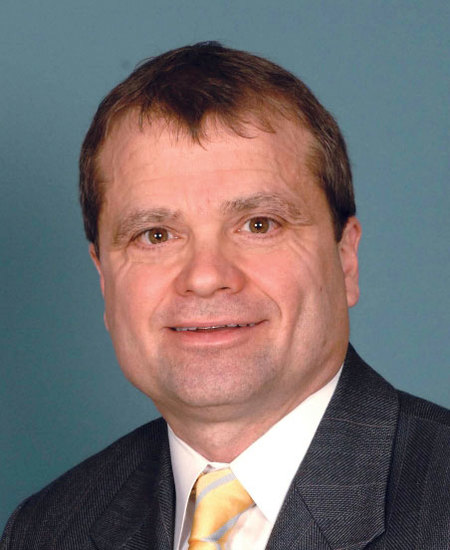
Rep. Mike Quigley
Sponsored bills
Maddy summaryHR 3868, the Enhanced Background Checks Act of 2025, modifies federal firearm background check procedures to address delays. It requires federal firearms licensees to wait 10 business days after a background check query if the system doesn’t immediately flag a transfer, unless the buyer submits an electronic petition confirming they aren’t prohibited from owning firearms. The petition process includes a 10-day response deadline from the Attorney General, with licensees allowed to proceed if the system remains silent after 10 days. The bill also mandates detailed annual reports from the FBI on petition delays and GAO reports on implementation, focusing on how these changes affect firearm transfers to prohibited individuals.
Maddy summaryThe Runaway and Homeless Youth and Trafficking Prevention Act of 2025 amends federal law to provide funding for programs serving runaway, homeless, and at-risk youth, primarily aged 15-22 with some services extending to youth up to age 26. It establishes basic center grants for temporary shelter (up to 30 days) and transitional living programs that provide housing, counseling, and services tailored to youth's age, gender, and developmental needs. The bill requires programs to collect data on vulnerable populations including LGBTQ youth, youth of color, and those in the child welfare system, and mandates trauma-informed services for youth victims of trafficking. It authorizes $200 million annually for these programs, with specific funding allocations to support prevention services, street outreach, and coordination with education and child welfare systems.
Maddy summaryThis bill requires drug labels to clearly state if a medication contains major food allergens (like peanuts, dairy, or shellfish) or gluten from grains (such as wheat, barley, or rye). It applies to human drugs sold in the U.S. and mandates manufacturers to identify these specific ingredients on labels. The requirement takes effect within two years of the bill's passage, giving companies time to update packaging. This directly affects drug manufacturers and helps people with allergies make safer choices by providing clear ingredient information.
Maddy summaryThe TRACE Act requires all new firearms manufactured in the U.S. to include a second, hidden serial number (inside the receiver or visible only under infrared light) within 12 months of enactment. It extends the retention period for background check records from 24 hours to 180 days and mandates that licensed firearm dealers conduct regular physical inventory checks of their stock. The bill also removes longstanding funding restrictions in federal appropriations laws that previously prohibited using funds to implement these measures. These changes directly affect firearm manufacturers, licensed dealers, and the Bureau of Alcohol, Tobacco, Firearms and Explosives (ATF), which must issue implementing regulations within 180 days.
Maddy summaryHR 3754, the "Don’t Miss Your Flight Act," creates a federal grant program to fund transportation infrastructure projects connecting to public airports. It authorizes $1 billion annually (2027-2031) from the Highway Trust Fund for projects like highways, bridges, transit systems, or rail improvements within 5 miles of airports, aimed at reducing congestion and improving access. Eligible applicants include states, tribes, and local governments managing airports, with 50% of funds reserved for large hub airports and 30% for medium hub airports. The program requires a 50% non-federal cost share, allowing entities to use passenger facility charges or TIFIA credit assistance toward this requirement. This bill directly affects airport-connected transportation infrastructure planning and funding at the state and local government level.
Maddy summaryThe DTC Act of 2025 requires pharmaceutical companies to include a drug's list price (for a 30-day supply) in direct-to-consumer television and digital ads for prescription drugs covered by Medicare or Medicaid. It applies to ads for drugs costing $35 or more per 30-day supply, exempting lower-cost medications. Manufacturers must disclose the list price clearly by July 1, 2026, with penalties of up to $100,000 per violation for noncompliance. The bill aims to provide consumers with upfront pricing information to help them compare costs before filling prescriptions, particularly affecting drugs commonly advertised to Medicare beneficiaries.
Maddy summaryThe STOCK Act 2.0 requires Members of Congress, federal officials, Federal Reserve employees, Supreme Court justices, and their spouses and dependent children to report and divest certain financial interests, including investments in stocks, cryptocurrencies, commodities, and futures. It mandates that covered individuals report these financial interests within 120 days of taking office or upon the bill's enactment, and sell any existing investments that conflict with public duties. The bill establishes a fine of 10% of the value of unreported or undivested interests for noncompliance and requires electronic filing of financial disclosures with public online access to searchable reports. This legislation expands and strengthens the original STOCK Act by creating more comprehensive reporting requirements and improving public transparency about potential conflicts of interest. The provisions apply to a wide range of government officials and their families, with specific requirements for Federal Reserve officials added through this bill.
Maddy summaryHR 3757, the Pride In Mental Health Act of 2025, provides $20 million annually (2026-2030) to fund grants for mental health services targeting LGBTQ+ youth, including nonbinary, intersex, and Two Spirit youth, and their families/caregivers. The bill mandates grantees to provide trauma-informed care, cultural competency training, school bullying prevention guidelines, and evidence-based practices while explicitly prohibiting the use of funds for conversion therapy or its promotion. It also requires the federal government to restore mental health reports on LGBTQ+ youth, conduct a national survey measuring mental health distress, and produce a report on mental health services for LGBTQ+ youth in foster care. The law directly affects these youth populations by expanding access to tailored mental health resources and data collection, with funding administered through the Substance Abuse and Mental Health Administration.
Maddy summaryThe bill's title ("Protect Vulnerable Immigrant Youth Act") does not align with its actual provisions. HR 3763 amends two sections of the Immigration and Nationality Act to adjust employment-based visa categories, specifically adding "or (J)" to existing numerical limitations and preference allocation rules. These changes would affect certain employment-based visa applicants (e.g., those in categories like "J" for religious workers or other specific employment groups) by removing numerical caps that previously applied to them. The bill contains no provisions related to youth protection, immigration status for minors, or direct safeguards for vulnerable immigrant youth.