

Energy Security and Independence Act of 2022 This bill addresses domestic industrial base and manufacturing capabilities for specified energy-efficiency and renewable energy systems and technologies (e.g., electric transportation systems), including by establishing a program to provide financial assistance for the construction of new facilities that manufacture components of specified energy-efficiency and renewable energy systems and technologies (or to retool, retrofit, or expand such facilities).
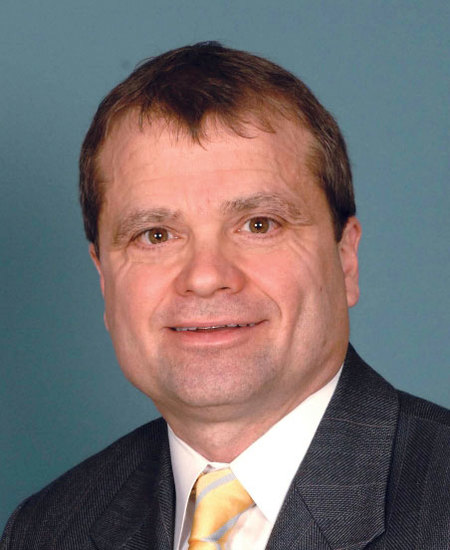
Rep. Mike Quigley
Sponsored bills
Maddy summaryHR 7477, the CERTS Tax Exemption Act, ensures that grants provided under the Coronavirus Economic Relief for Transportation Services Act are tax-free for eligible transportation service providers. The bill directly affects companies and organizations providing transportation services that receive these specific federal grants. Key provisions state that grant amounts cannot be counted as taxable income, deductions related to grant-funded costs cannot be denied, and tax attributes (like basis increases) must be treated as tax-free for partnerships and S corporations. This change simplifies tax treatment for recipients by preventing unintended tax liabilities on relief funds.
Protection from Abusive Passengers Act This bill addresses the banning of abusive passengers from commercial aircraft flights. Abusive passenger is defined as any individual who engages in behavior that results in a civil penalty or conviction for assaulting, threatening, or intimidating a crew member or passenger on an aircraft flight, or who takes any action to interfere with security screening personnel or any security system related to civil aviation security. It requires the Federal Aviation Administration or the Attorney General to provide the identity, including the full name and date of birth, and gender of all abusive passengers to the Transportation Security Administration (TSA). The TSA must maintain a list of abusive passengers and develop and make publicly available policies and procedures for handling individuals included on the list. Any individual on the list shall be prohibited from boarding any commercial aircraft flight until the individual is removed from such list. Additionally, all abusive passengers shall be permanently ineligible to participate in the TSA PreCheck or the U.S. Customs and Border Protection's Global Entry programs, with specified exceptions.
This resolution supports and encourages Americans who choose to exercise their free speech rights by boycotting companies that do not provide life-saving or health-related goods and services to the Russian people yet continue to operate in Russia. The resolution also condemns companies that continue to operate in Russia and provide financial benefits to the Putin regime that enable his ability to continue waging war in Ukraine. Finally, the resolution commends companies that have already suspended operations in or withdrawn from markets in Russia in response to the Putin regime's unlawful invasion of Ukraine.
Federal Contracting for Peace and Security Act This bill requires executive agencies to terminate their contracts with companies conducting business operations in Russia. This requirement ends when Russia takes steps to restore the safety, sovereignty, and condition of Ukraine. The bill shall not apply to the procurement of products or services for (1) the benefit, either directly or through the efforts of regional allies, of Ukraine; or (2) humanitarian purposes to meet basic human needs. The bill provides for a waiver where in the national interest of the United States.
Ensuring Lasting Smiles Act This bill requires private health insurance plans to cover diagnosis and treatment of congenital anomalies and birth defects, such as reconstructive services and items. Coverage must include services and items that functionally improve, repair, or restore any body part that is medically necessary for normal bodily functions or appearance, as determined by the treating physician. Coverage limits and cost-sharing requirements for such services and items may not be more restrictive than those applicable to all medical and surgical benefits under the plan.
Strengthen Kids' Mental Health Now Act of 2022 This bill establishes several requirements to support the provision of behavioral health services under Medicaid and other programs, particularly for children. For example, the bill temporarily requires payment for pediatric mental, emotional, and behavioral health services under Medicaid to align with Medicare payments to providers. The bill provides for a 100% Federal Medical Assistance Percentage (i.e., federal matching rate) for any associated additional expenditures. The Centers for Medicare & Medicaid Services must issue guidance on how state Medicaid programs may expand the availability of telehealth services and mental, emotional, and behavioral health services. In addition, the Health Resources and Services Administration must award grants to support (1) pediatric behavioral health care integration in communities, (2) pediatric mental health and substance use disorder workforce training, and (3) the infrastructure of pediatric hospitals and rural health clinics with respect to behavioral health services.
Anna Westin Legacy Act of 2022 This bill requires the Substance Abuse and Mental Health Services Administration to maintain the National Center of Excellence for Eating Disorders (NCEED). The bill specifies required activities for NCEED, including providing training for frontline health care providers and other professionals.
Emmett Till Antilynching Act This bill makes lynching a federal hate crime offense. Specifically, the bill imposes criminal penalties—a fine, a prison term of up to 30 years, or both—on an individual who conspires to commit a hate crime offense that results in death or serious bodily injury or that includes kidnapping or an attempt to kidnap, aggravated sexual abuse or an attempt to commit aggravated sexual abuse, or an attempt to kill.
Equitable Community Access to Pharmacist Services Act This bill expands Medicare coverage to permanently include services provided by a pharmacist, including incidental services and supplies, related to testing, drug regimens, and vaccines for COVID-19, influenza, and certain other illnesses. Specifically, the bill provides for continued coverage of pharmacist services relating to testing and vaccines for COVID-19 and influenza, as well as coverage of testing for respiratory syncytial virus and streptococcal pharyngitis (i.e., strep throat) and the initiation of drug regimens that are used to treat COVID-19, influenza, or strep throat. It also generally provides for coverage of pharmacist services during a public health emergency or to address health equity. A pharmacist, or the facility with which the pharmacist is contracted or employed, may present a claim for reimbursement of 85% (or 100% during a declared emergency) of the applicable amount. A pharmacist may not bill an individual for such a service other than for the applicable deductible or coinsurance amounts.