

Maddy summaryThis bill removes a key barrier preventing student loan debt from being discharged in bankruptcy. It amends the U.S. Bankruptcy Code by eliminating the exception that previously made most federal student loans non-dischargeable, meaning borrowers could not erase this debt through bankruptcy proceedings. The change applies only to bankruptcy cases filed on or after the bill's enactment date, affecting new cases where student loan borrowers may now seek relief. This is a procedural change to bankruptcy law, not a direct loan forgiveness or repayment program.
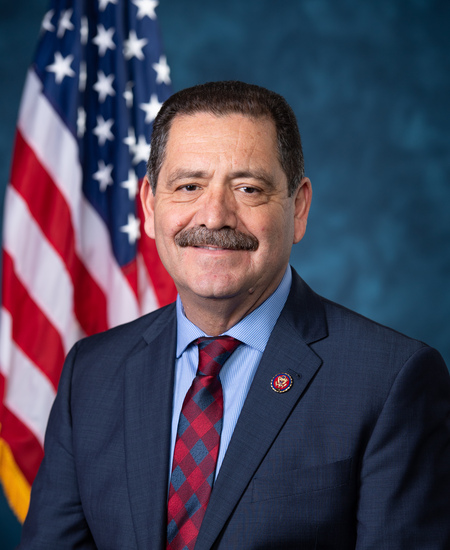
Rep. Jesús G. "Chuy" García
Sponsored bills
Maddy summaryHRES 1525 is a non-binding resolution calling for the U.S. government to address policies contributing to forced migration and displacement. It urges reforms such as overhauling economic sanctions, investing in developing countries to reduce poverty and instability, and reforming trade agreements to protect workers. The resolution also calls for expanding legal immigration pathways, improving asylum processing, and creating a roadmap to citizenship for immigrants living in the U.S. As a resolution, it does not create new laws but sets policy priorities for future legislative action.
Maddy summaryThis bill raises the federal minimum wage to $15 per hour initially, with future increases tied to a "stability wage" calculated using average hourly earnings and cost-of-living adjustments (CPI). It modifies income tax brackets so that tax rates apply to income levels adjusted based on this stability wage calculation. The bill eliminates special minimum wage certificates for workers with disabilities and changes how earned income is counted for means-tested benefits. These changes would affect most workers, taxpayers across income levels, and individuals receiving government benefits based on income. The bill's provisions would take effect three months after enactment.
Maddy summaryHR 9864, the Keep Food Containers Safe from PFAS Act of 2024, prohibits the sale of food packaging containing intentionally added PFAS chemicals (like those used in non-stick coatings) in interstate commerce. It directly affects food manufacturers and packaging producers who currently use these chemicals. The bill amends federal food safety law to ban such packaging starting January 1, 2025, defining PFAS as man-made chemicals with at least one fully fluorinated carbon atom. This is a concrete policy change to remove specific chemicals from food contact materials.
Maddy summaryHCONRES 131 is a symbolic resolution recognizing the wage gap between Latina women and White, non-Hispanic men in the U.S. workforce. It highlights that Latina women working full-time earn 58 cents for every dollar earned by White, non-Hispanic men, with an average lifetime earnings loss of over $1.2 million. The resolution designates October 3, 2024, as "Latina Equal Pay Day" to draw attention to this disparity, citing Bureau of Census data showing the gap has persisted for decades. It does not create new laws or policies but formally acknowledges the economic impact on Latina women and their families.
Maddy summaryThis bill eliminates a tax credit for using carbon dioxide (CO2) in enhanced oil recovery (EOR) operations. It amends the Internal Revenue Code by removing Section 43 (the EOR credit) and modifying Section 45Q to prohibit the credit for new facilities starting construction after the law's enactment. The primary effect is ending the federal tax incentive for oil companies that inject CO2 to extract more oil from existing wells. This change directly affects oil and gas companies planning new EOR projects using CO2, as they will no longer qualify for this specific tax credit.
Maddy summaryHR 1719, the Honoring Our Fallen Heroes Act of 2023, establishes a presumption that certain cancers diagnosed in public safety officers (like police and firefighters) are work-related if linked to their duties. It defines 22 specific cancers (including lung, mesothelioma, and WTC-related cancers) as "exposure-related," allowing officers or their families to receive benefits without proving direct work connection, provided they were diagnosed within 15 years of leaving active service. The bill also creates a process for adding new cancers to the list based on scientific evidence, requiring the Bureau to review petitions and make decisions within 180 days. This applies to deaths or disabilities occurring on or after January 1, 2023, directly affecting officers who developed covered cancers during service.
Maddy summaryHCONRES 130 is a symbolic concurrent resolution commending state and local governments that treat reproductive rights as human rights following the *Dobbs* decision. It recognizes efforts by cities like Austin, Texas, and Montgomery County, Maryland, to expand abortion access and condemn criminalization of pregnancy outcomes. The resolution affirms that reproductive rights are human rights, urges states to repeal restrictive laws, and references U.S. obligations under international human rights treaties. As a non-binding resolution, it does not create new laws or alter existing policies.
Maddy summaryHRES 1494 is a non-binding resolution recognizing that air pollution and extreme heat disproportionately threaten maternal and infant health for pregnant Latinas in the U.S., citing systemic inequities that place them at higher risk than other groups. It expresses the House's sense that equitable interventions - such as bilingual air quality alerts, community air monitoring, expanded cooling access, and culturally tailored health education - must be rapidly developed to address these vulnerabilities. The resolution specifically calls for actions like improving heat guidelines at health facilities serving pregnant women and increasing access to affordable cooling solutions in Latino neighborhoods. As a statement of congressional opinion, it does not create new laws but aims to guide future policy and resource allocation.
Maddy summaryHR 3433, the "Give Kids a Chance Act of 2024," requires pharmaceutical companies developing certain cancer drugs to conduct pediatric studies if the drugs target molecular pathways relevant to childhood cancers. It directly affects drug manufacturers submitting new applications for cancer treatments, particularly those combining previously approved adult cancer drugs or containing a single new active ingredient. The bill amends FDA regulations to mandate these pediatric investigations only when specific conditions are met, such as when a drug's molecular target is relevant to pediatric cancer growth. The FDA must issue implementing guidance within 12 months, and reports to Congress will track implementation and effectiveness starting 2 years after enactment.