

Maddy summaryThis bill amends the Family and Medical Leave Act (FMLA) and federal employee leave rules to clarify that recovery from organ donation surgery qualifies as a "serious health condition." It directly affects private-sector workers covered by the FMLA and federal civil service employees. The key change adds "including recovery from surgery related to organ donation" to the definitions of serious health conditions in both the FMLA and federal leave statutes. This ensures eligible employees can use their existing family and medical leave benefits to recover after donating an organ, without requiring new leave entitlements.
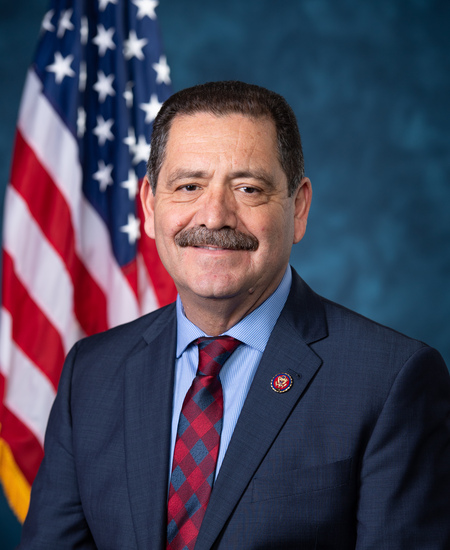
Rep. Jesús G. "Chuy" García
Sponsored bills
Maddy summaryHR 1522, the Federal Retirement Fairness Act, changes federal retirement rules to include temporary employees' service after January 1, 1988, in retirement benefit calculations. It directly affects temporary federal employees (including U.S. Postal Service workers) and Members of Congress who served after that date. The bill removes a previous cutoff date in retirement law, allowing their temporary service to count toward retirement eligibility. This means eligible temporary workers can now have their full service period considered when calculating retirement benefits.
Maddy summaryThis bill requires Medicaid programs to cover specific treatments for individuals with breast or cervical cancer. It adds a new provision to Medicaid rules that explicitly includes these patients in mandatory coverage, ensuring states must provide necessary care. The bill also mandates that Medicaid cover breast reconstruction surgery following a medically necessary mastectomy. These changes directly affect Medicaid beneficiaries diagnosed with breast or cervical cancer who need these specific treatments. The policy update removes gaps in existing coverage for these critical cancer care services.
Maddy summaryHR 4545, the Medicare Breast Reconstruction Access and Information Act, requires healthcare providers to inform Medicare patients about coverage for breast reconstruction surgery before performing a mastectomy. The bill amends the Social Security Act to mandate that suppliers providing a mastectomy must explain that reconstruction is covered under Medicare's national coverage determination 140.2 and document this discussion in the patient's medical record. This applies specifically to Medicare beneficiaries undergoing medically necessary mastectomies. The law ensures patients receive clear information about existing coverage options prior to surgery, without changing Medicare's benefit structure.
Maddy summaryHCONRES 44 is a symbolic resolution recognizing a health and safety emergency for children linked to the Trump administration's climate policies. It claims these policies - unleashing fossil fuel production, blocking renewable energy, and suppressing climate science - disproportionately harm children through increased air pollution, extreme weather, and denied access to climate data. The resolution calls for reversing these policies, restoring the EPA's mission, and ensuring climate action aligns with protecting children's rights. It does not enact new laws or change policy, but serves as a formal congressional statement of concern.
Maddy summaryHR 4444 would replace the current "undue hardship" standard for discharging student loan debt in bankruptcy with a new, more accessible standard. This change directly affects the 43 million Americans with federal student loans, particularly those struggling with payments (over 6 million are 90+ days delinquent as of June 2025), who currently face an extremely low success rate (less than 0.01%) under the existing Brunner test. The bill amends Section 523(a)(8) of the bankruptcy code to remove "undue hardship," giving courts flexibility to use reasonable criteria while maintaining existing bankruptcy requirements like means testing. This aims to provide a fairer path to relief for borrowers who cannot repay their debts, addressing a system where most bankruptcy filings for student loans fail.
Maddy summaryThis bill prohibits U.S. Immigration and Customs Enforcement (ICE) from using federal funds to detain or transport U.S. citizens during civil immigration enforcement actions. It directly affects ICE operations by blocking funding for any activity that would hold or move citizens outside the U.S. under immigration laws. The key mechanism is a specific funding restriction in the bill text, stating no funds may be used for detaining or transporting citizens. This applies to all civil immigration enforcement activities defined under the Immigration and Nationality Act. The bill does not create new enforcement powers but limits how existing funds can be spent.
Maddy summaryThis bill establishes federal worker heat protection standards to prevent heat-related illness and injury. It requires employers to provide a workplace free from heat stress hazards, including access to cool water, scheduled rest breaks, shaded cooling areas, and training on heat illness symptoms. The Secretary of Labor must create these standards within one year, incorporating evidence-based practices like engineering controls (e.g., ventilation), administrative measures (e.g., adjusted schedules), and employer-paid personal protective equipment. The law directly affects all employers in high-heat work environments - such as construction, agriculture, and manufacturing - and strengthens whistleblower protections for workers reporting safety violations.
Maddy summaryThe Housing Is a Human Right Act of 2025 creates new federal programs to address homelessness and housing instability. It establishes a CDBG Plus program to fund permanent affordable housing, supportive services, and basic infrastructure like public bathrooms and rest areas for homeless individuals. The bill prohibits criminalizing homelessness (such as sleeping in public) and requires jurisdictions to adopt "Housing First" approaches that connect people to housing without preconditions like sobriety requirements. It also creates new taxes on luxury real estate sales and large landlords to fund these programs, and includes provisions to help homeless people vote by removing barriers like ID requirements. The bill directly affects people experiencing homelessness, housing instability, and those who are cost-burdened (spending over 22% of income on housing), as well as local governments and housing providers.
Maddy summaryThis bill directs the Department of Health and Human Services to significantly increase federal research funding for uterine fibroids ($30 million annually from 2026-2030), expand coordination of NIH research, and establish a Medicaid data system to track treatment access and costs. It mandates public education on fibroid symptoms, prevalence (especially among Black women, who face higher risk and severity), and non-hysterectomy treatment options. The bill also requires disseminating evidence-based provider resources on managing fibroids while preserving fertility. These provisions directly affect the estimated 26 million U.S. women with fibroids - particularly women of color - and aim to address the current lack of research and treatment data.