

Maddy summaryHRES 319 is a symbolic resolution passed by the U.S. House of Representatives on April 24, 2023, recognizing the federal government's duty to develop a Green New Deal. It states the House believes the government should create a comprehensive plan to address climate change and economic inequality through a 10-year national mobilization. The resolution outlines goals like achieving net-zero emissions by 2050, creating high-wage union jobs, upgrading infrastructure, and prioritizing frontline communities, but it does not establish binding policy or funding mechanisms. As a non-binding resolution, it serves as a statement of legislative intent rather than a law.
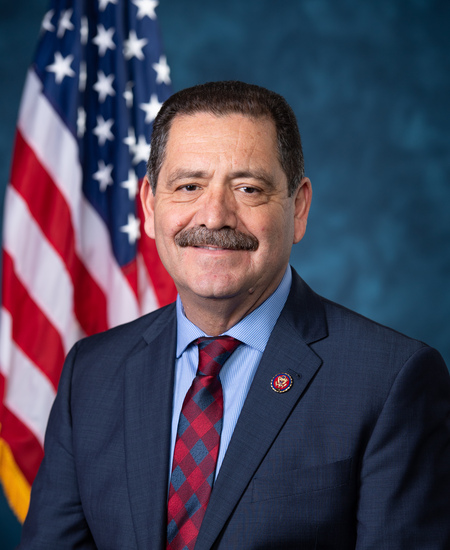
Rep. Jesús G. "Chuy" García
Sponsored bills
Maddy summaryHRES 289 is a resolution recognizing the week of April 11-17, 2023, as the sixth annual "Black Maternal Health Week" to raise awareness about maternal health disparities. It highlights that Black women in the U.S. face disproportionately high rates of pregnancy-related deaths (2.6 times more likely than White women) and complications, driven by systemic inequities. The resolution urges national attention on these issues and supports policy solutions like the Black Maternal Health Momnibus Act to address racial gaps in maternal care. As a non-binding recognition, it does not enact new laws but aims to amplify community-driven efforts to improve outcomes.
Maddy summaryThis bill extends eligibility for the WIC nutrition program to new mothers for 24 months after childbirth (up from six months) and extends breastfeeding support periods to 24 months (up from one year). It directly affects new mothers and infants who rely on WIC for nutrition assistance, breastfeeding support, and health services. Key provisions include amending the Child Nutrition Act to lengthen these benefit periods and requiring a report within two years evaluating health outcomes, breastfeeding rates, and family experiences. The report must assess impacts on maternal/infant health, racial disparities, and program effectiveness. This is a substantive policy change focused on improving access to critical postpartum support.
Justice for Incarcerated Moms Act This bill establishes new requirements related to grants, programs, and reports to improve the treatment and care of pregnant and postpartum women who are incarcerated. Specifically, the bill requires the following: states must restrict the use of restraints on pregnant women in prison in order to receive full funding under the Edward Byrne Memorial Justice Assistance Grant program; the Bureau of Prisons must establish programs to optimize maternal health outcomes for pregnant and postpartum women in federal prisons; the Bureau of Justice Assistance must award state grants for programs to support pregnant and postpartum women in state and local prisons and jails; and the Government Accountability Office must report on adverse maternal and infant health outcomes among incarcerated individuals and infants born to such individuals, with a particular focus on racial and ethnic disparities.
Maddy summaryHR 2723 (Local Farms and Food Act of 2023) reforms the Local Agriculture Market Program to support local food systems. It extends funding periods to 2024-2028, increases annual funding to $75 million for program grants and $30 million for partnerships, and creates simplified application processes for projects under $100,000. The bill defines "food hub" to include businesses aggregating and distributing local food products, and adds new project categories like farmers market staff support and food safety equipment. It directly affects small local farms, food hubs, and rural communities by improving access to grants and reducing administrative barriers for market development.
Maddy summaryHRES 372 is a non-binding House resolution expressing support for designating May 2023 as "Mental Health Awareness Month." It does not create new laws or allocate funds but formally urges the nation to recognize mental health as a priority. The resolution supports reducing stigma around mental illness, expanding access to mental health services, and emphasizing that mental well-being is as important as physical health. It highlights the need for greater awareness and resources, particularly for youth, veterans, and communities of color facing mental health disparities, but does not mandate any specific policy changes.
Maddy summaryHR 3255, the Freight Rail Workforce Health and Safety Act, requires major freight railroads (Class I carriers) to provide employees with at least 7 days of paid sick leave annually. This includes leave for personal illness, family care, preventive medical visits, and situations related to domestic violence, sexual assault, or stalking. Employees can carry over unused days to the next year, and railroads cannot require workers to find replacements before taking leave or penalize them for using it. The law prohibits retaliation, such as termination or demotion, for requesting or using sick leave, and ensures paid sick leave is separate from existing vacation or holiday time.
Targeting Resources for Equitable Access to Treatment for Long COVID Act or the TREAT Long COVID Act This bill requires the Department of Health and Human Services to award competitive grants to create or expand the capacity of clinics that treat patients with persistent, long-term symptoms following recovery from acute COVID-19 (i.e., Long COVID) and associated conditions. Eligible recipients include federally qualified health centers, rural health clinics, urban Indian health centers, and state and local health departments.
Maddy summaryThe PAST Act of 2023 amends the Horse Protection Act to ban specific devices used to cause pain (soring) in horses at shows, particularly affecting Tennessee Walking Horses, Racking Horses, and Spotted Saddle Horses. It defines prohibited "action devices" (like boots or chains causing friction) and requires licensed, conflict-free inspectors at events to enforce rules. The bill increases penalties for violations to up to $5,000 fines or 3 years in jail, and mandates longer disqualifications for repeat offenses (180 days → 1 year → 3 years). Horse show organizers, exhibitors, and participants must comply with these new inspection and penalty requirements.
Affordable Pricing for Taxpayer-Funded Prescription Drugs Act of 202 3 This bill requires companies that receive federal funding for research (or a license of the rights to a patent or regulatory test data) for a biomedical product or service to agree to set reasonable prices for the resulting biomedical product or service. The Department of Health and Human Services (HHS) must determine a reasonable price based on a formula that ensures the U.S. price for the product or service is not more than the median price for the product or service in Canada and six other reference countries with, based on specified criteria, large economies and high incomes. Companies entering these agreements also must report to HHS certain financial information related to the biomedical product or service involved.