

Masks for All Act of 2022 This bill directs the Federal Emergency Management Agency (FEMA) to manufacture and distribute N-95 respirator masks to every individual in the United States and to provide N-95 masks to all individuals working in health care settings in the United States that are experiencing a shortage of such masks. FEMA must provide the masks at no cost to individuals and deliver them, to the greatest extent possible, using the U.S. Postal Service. Additionally, FEMA shall designate mask pickup sites in each community and shall provide masks to each site, allocated according to population; consider new designs for masks to improve comfort, fit, and size options; and submit to Congress a strategic plan that includes monthly, measurable targets to eliminate shortages and increase domestic production of N-95 masks and to fulfill all other requirements of this bill. The President shall make use of any and all available authorities (including emergency authorities) at the disposal of the federal government to procure and domestically manufacture N-95 masks and support the domestic manufacturing of N-95 masks.
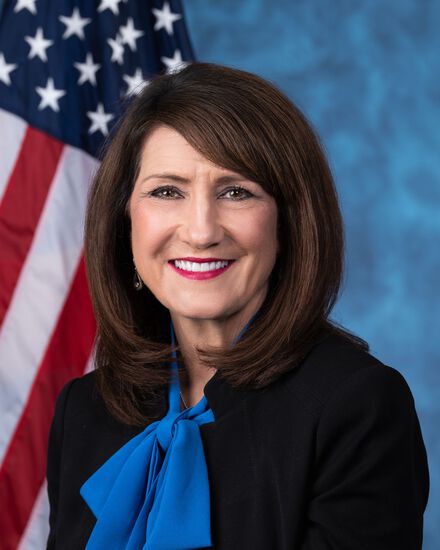
Rep. Marie Newman
Sponsored bills
Maddy summaryThis bill (H.J.Res. 68) is a symbolic, procedural measure that would require the President to issue an annual proclamation designating a day as "Democracy Day." It directs the President to call on state/local governments and citizens to observe the day through programs and activities, with January 6 referenced as a potential date. The bill does not create new government programs or change existing laws - it only establishes a recurring presidential proclamation. It directly affects federal, state, and local governments by encouraging them to participate in annual observances. The bill has no budgetary impact and remains focused on promoting civic engagement through a designated day.
PrEP Access and Coverage Act This bill requires private health insurance plans to cover prescription drugs that prevent HIV, including related screenings, diagnostic procedures, administrative fees, and clinical follow-ups, without any cost-sharing obligation for the plan holder. Further, insurance plans must not impose any preauthorization requirement for this coverage. These coverage requirements also apply to public health insurance programs, including Medicare, Medicaid, and the Children's Health Insurance Program. Additionally, the bill prohibits denying, limiting, or qualifying coverage or increasing premiums for disability insurance, long-term care insurance, or life insurance policies based on an individual taking medication for HIV prevention. The bill further requires the Department of Health and Human Services to award grants to states, or directly to eligible local organizations, to provide uninsured individuals and underinsured individuals access to prescription drugs and related services that prevent HIV. The Centers for Disease Control and Prevention also must develop a public awareness campaign that focuses efforts in communities with a high need for HIV prevention treatment.
This bill revises enforcement provisions under the Animal Welfare Act (AWA), including by directing inspectors to confiscate or destroy in a humane manner animals found to be suffering physical or psychological harm as a result of failure to comply with the AWA.
Accelerating Access to Critical Therapies for ALS Act This bill establishes grant programs to address neurodegenerative diseases, such as amyotrophic lateral sclerosis (also known as ALS or Lou Gehrig's disease), and contains other related provisions. The Department of Health and Human Services (HHS) shall award grants to eligible entities for scientific research utilizing data from expanded access to investigational ALS treatments for individuals who are not otherwise eligible for clinical trials. The Food and Drug Administration (FDA) shall award grants to public and private entities to cover the costs of research and development of drugs that diagnose or treat ALS and other rare neurodegenerative diseases. HHS shall also establish the Public-Private Partnership for Neurodegenerative Diseases between the National Institutes of Health, the FDA, and at least one eligible entity (generally, an institution of higher education or a nonprofit organization). The partnership shall support the development and regulatory review of drugs that address ALS and other rare neurodegenerative diseases. The FDA shall publish on its website a five-year action plan for fostering the development of drugs that improve or extend the lives of people living with rare neurodegenerative diseases. The Government Accountability Office must report to Congress about the grants provided under this bill, including an analysis of the impact of such grants on research and development of treatments for ALS.
Protecting the Health of America's Older Adults Act This bill requires the Centers for Disease Control and Prevention (CDC) to establish a program to promote the health and well-being of older adults. To carry out the program, the CDC must, among other activities, regularly assess the health-related needs of older adults, identify disparities in outcomes of older adults based on demographic and other factors, and coordinate the efforts of federal agencies and nonfederal stakeholders with respect to the health of older adults. Additionally, the CDC must award grants or enter into cooperative agreements with health departments and nonprofit community-based organizations to improve the availability of data on older adult populations, link health care and social services sectors, and undertake related efforts.
Future Generations Protection Act This bill prohibits (1) the emission of any greenhouse gas in any quantity from a new electric utility steam generating unit (i.e., certain power plants); (2) hydraulic fracturing on all onshore and offshore land in the United States; and (3) exports of domestically produced crude oil and natural gas, with specified exceptions.
Stopping Abortion Bounties Act This bill imposes a 100% tax on amounts received as statutory damages under a state bounty statute. A bounty statute is a statute that authorizes a person to file a civil action and collect damages for assisting another person in exercising the right to have an abortion. The bill also directs the Department of the Treasury to award a grant to any person who pays or incurs amounts under a court order resulting from a suit filed under a bounty statute, including the amount paid or incurred as statutory damages and reasonable attorney's fees.
This bill posthumously provides for the award of a Congressional Gold Medal in commemoration of the 13 service members who died on August 26, 2021, while stationed at Hamid Karzai International Airport in Afghanistan.
Combating International Islamophobia Act This bill establishes within the Department of State the Office to Monitor and Combat Islamophobia and addresses related issues. The office shall monitor and combat acts of Islamophobia and Islamophobic incitement in foreign countries. The bill establishes the position of Special Envoy for Monitoring and Combating Islamophobia, who shall head the office. The bill also requires certain existing annual reports to Congress about human rights and religious freedom in foreign countries to include information about Islamophobia, such as information about (1) acts of physical violence or harassment of Muslim people, (2) instances of propaganda in government and nongovernment media that attempt to justify or promote hatred or incite violence against Muslim people, and (3) actions taken by a country's government to respond to such acts. The office shall coordinate and assist in preparing these portions of the reports. No funds made available pursuant to the bill may be used to promote or endorse a boycott, divestment, and sanctions movement ideology (i.e., economic measures against Israel or Israel-related individuals or organizations) or used to promote or endorse a Muslim ban.