

Maddy summaryHCONRES 81 is a symbolic concurrent resolution recognizing the anniversaries of multiple United Nations-designated international days focused on peace, such as the International Day of Peace (September 21), International Day of Non-Violence (October 2), and others. It commemorates specific milestones, including the 42nd anniversary of the International Day of Peace and the 5th anniversary of the International Day of Living Together in Peace. The resolution encourages U.S. citizens to observe these days and supports activities promoting peace, nonviolence, and cooperation throughout the year. As a non-binding resolution, it does not create new laws or requirements but expresses congressional support for global peace efforts.
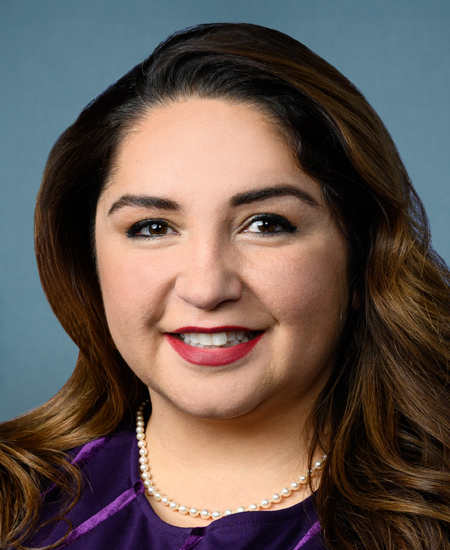
Rep. Delia C. Ramirez
Sponsored bills
Maddy summaryHRES 942 is a symbolic House resolution honoring Wadee Alfayoumi, a 6-year-old Palestinian Muslim-American boy murdered in a hate crime in Illinois on October 16, 2023. The resolution recognizes that Wadee was stabbed 26 times by a perpetrator who yelled "All Muslims should die" and consumed anti-Muslim rhetoric, and it condemns hate crimes targeting Palestinian, Muslim, and other minority identities. It affirms that elected officials and media should avoid dehumanizing language, upholds freedom of speech, and declares the U.S. has "zero tolerance" for Islamophobia, antisemitism, anti-Palestinian discrimination, and hate crimes. As a non-binding resolution, it does not create new laws but formally honors Wadee’s life and addresses the broader issue of hate-driven violence against minority communities.
Maddy summaryThis resolution calls on the U.S. government to formally end the Monroe Doctrine - a historical policy used to justify U.S. intervention in Latin America - and develop a new "Good Neighbor" policy focused on partnership. It specifically urges the State Department to declare the doctrine obsolete, end unilateral sanctions (like the Cuba embargo), reform international financial institutions, and support regional cooperation on issues like climate change and human rights. The resolution targets U.S. foreign policy mechanisms and aims to improve relations with Latin American and Caribbean nations by shifting from intervention to mutual respect. As a non-binding resolution, it expresses congressional intent but does not create new law.
Maddy summaryHR 6839 establishes an Office of Legal Access Programs within the immigration court system to improve legal access for detained immigrants. The bill requires that all detained individuals receive free legal orientation within 5 days of custody, explaining immigration procedures, their rights, and available legal resources in English and the five most common languages spoken by detainees at that facility. It specifically mandates identifying vulnerable groups - including unaccompanied children and those with serious mental disabilities - for special consideration under immigration law. The program aims to streamline immigration proceedings by helping detained people make informed decisions about their cases, reducing delays and costs, while applying to all individuals in immigration custody under relevant laws.
Maddy summaryThe Menopause Research and Equity Act of 2023 requires the National Institutes of Health (NIH) to evaluate existing and ongoing research on menopause, perimenopause, and mid-life women’s health, identifying gaps in knowledge and funding over the past five years. The NIH must then develop a strategic plan with health professionals (including specialists like gynecologists and endocrinologists) to address these gaps and guide future research on treatments for menopause symptoms. The bill also mandates new NIH research on causes, symptoms, and treatments for menopause-related health issues, including a study on hormonal treatments. All activities must be funded using existing NIH resources, with no new appropriations authorized. This aims to improve scientific understanding of women’s mid-life health needs.
Maddy summaryHR 6768, the Public Health Nursing Act, authorizes $5 billion annually (2024-2033) to expand public health nursing services through federal grants to state and local health departments. The bill requires grantees to use funds for recruiting and training registered nurses in underserved areas, covering wages, medical supplies (like PPE), and administrative costs to improve maternal/infant health and chronic disease management. Priority is given to applicants serving communities with high chronic disease rates, maternal mortality, low-income populations, rural areas, or health professional shortage zones. This directly affects public health departments and their ability to hire nurses providing in-person care, home visits, and mobile clinic services.
Maddy summaryHR 6754, the School Violence Prevention Act, establishes a federal grant program to fund evidence-based violence prevention programs in schools located in communities with high rates of youth gun violence. The bill authorizes $25 million annually for 5-year grants to partnerships between state/local education agencies (meeting specific homicide or violent crime thresholds) and community nonprofits serving youth. Grantees must implement trauma-informed, culturally competent programs for K-12 students, focusing on skills like conflict resolution, mental health support, and community engagement, while collecting data on outcomes like graduation rates. The program requires annual reporting to the Secretary of Education and CDC, with evaluations to assess impacts on reducing youth violence risks.
Maddy summaryHR 6830, the "Books Save Lives Act," requires covered schools (elementary/secondary schools receiving federal funds) and public libraries receiving federal assistance to maintain staffed libraries with diverse book collections. These collections must include books written by, illustrated by, or about individuals from underrepresented communities - defined as racial/ethnic minorities, LGBTQ+ individuals, religious minorities, or people with disabilities. The bill states that excluding such "covered books" could be used as evidence of discrimination under civil rights laws like the Civil Rights Act of 1964. It also mandates a report on the impact of book-banning campaigns on these communities within 180 days of enactment.
Maddy summaryThe Brittany Clardy Missing and Murdered Black Women and Girls Act establishes a new Office within the Department of Justice to address the disproportionate rates of missing and murdered Black women and girls in the U.S. The Office will collect and analyze data on these cases - including case resolution times, Amber Alert usage, and trafficking links - and create a public dashboard for tracking. It also creates a grant program for community organizations to provide culturally appropriate prevention services, law enforcement training, and victim support. The Office must submit biennial reports to Congress with findings and recommendations to improve the criminal justice response to these cases. This bill directly affects Black women and girls facing violence, law enforcement agencies, and community organizations providing related services.
This resolution condemns all forms of discrimination and expresses support for policies to prevent and respond to hate crimes, including education and training on prevention and response.