

Maddy summaryHR 6432, the Safeguarding Honest Speech Act, prohibits federal agencies from using funds to require employees or contractors to use preferred pronouns or names that conflict with a person’s biological sex at birth (defined as "sex" based on reproductive biology and genetics). It directly affects federal workers and contractors by banning mandatory language use tied to gender identity. The bill mandates agencies issue a formal response within 30 days of a complaint about such policies and allows affected employees to sue for damages, including up to $100,000 in punitive damages, with a one-year statute of limitations. Key provisions focus on preventing compelled speech in federal workplaces through funding restrictions and enforceable legal remedies.
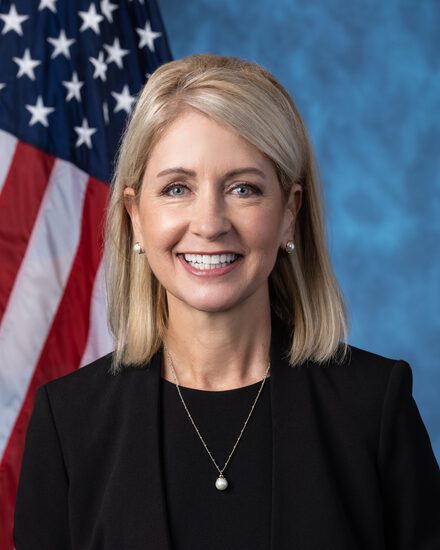
Rep. Mary E. Miller
Sponsored bills
Maddy summaryHR 6305, the Terminate CDC Overreach Act, limits the CDC's authority to issue regulations preventing communicable disease spread. It restricts the CDC to regulations focused solely on interstate transmission prevention (e.g., isolating infected individuals moving between states), requiring Congress to disapprove any broader regulations within 6 days. The bill also mandates that CDC guidance documents with broad public impact must include scientific evidence, such as clinical data or studies. This directly affects the CDC's rulemaking process and requires Congress to actively review and potentially block new CDC health regulations.
Maddy summaryThis bill prohibits federal funding for two specific initiatives: the Justice40 Initiative (focused on delivering 40% of climate benefits to disadvantaged communities) and the American Climate Corps (a program announced in a September 2023 White House fact sheet to create climate jobs for young people). It blocks all federal budget allocations for these programs, directly affecting their implementation. The bill does not create new programs or alter existing laws, but prevents the use of taxpayer funds to support these two named initiatives.
Maddy summaryHR 6339, the States Choose Common Sense Act of 2023, prohibits the federal government from withholding or revoking federal funds from any state, territory, or local government entity that defines sex based on biological sex at birth. The bill directly affects all 50 states, the District of Columbia, U.S. territories, and their local governments that receive federal funding. Its key provision explicitly bans federal funding cuts for states maintaining laws, regulations, or policies defining sex by biological characteristics determined at birth. This is a procedural policy change preventing federal interference with state definitions of sex for funding purposes.
Maddy summaryThis bill, HR 6258 (GUARD Act), amends federal child welfare funding to require states receiving funds under the Child Abuse Prevention and Treatment Act to refrain from taking adverse actions against parents who oppose medical, social, or psychological interventions related to a minor's gender identity expression. It directly affects states receiving these federal funds by prohibiting discrimination against parents who believe a minor's gender identity conflicts with their biological sex (determined at birth), regardless of medical diagnoses. Key provisions withhold federal funding from any state violating this requirement, and allow affected parents to sue to stop funding to noncompliant states and recover funds. The law focuses on protecting parental rights regarding minors' care decisions, not on mandating specific medical treatments.
Maddy summaryThis bill prohibits federal funding for Planned Parenthood Federation of America and its affiliates, clinics, or related entities. It directs that funds previously allocated to Planned Parenthood must instead support other providers - including community health centers, hospitals, and clinics - that offer women’s health services like contraception, cancer screenings, and prenatal care. The bill explicitly states it does not reduce overall federal funding for women’s health care or affect existing abortion-related funding restrictions in appropriations laws. It ensures continued access to these services through alternative providers, particularly in underserved communities.
Maddy summaryHRES 798 is a House resolution condemning support for Hamas, Hezbollah, and other terrorist organizations at colleges and universities. It states such support may create a hostile environment for Jewish students, faculty, and staff, citing incidents like blaming Israel for the October 7 Hamas attack. The resolution urges the Secretary of Education to direct the Office for Civil Rights to investigate and take action where appropriate. This non-binding resolution expresses the House's position but does not create new law or policy changes.
Maddy summaryThis bill denies U.S. green energy tax credits to companies connected to specific countries. It targets companies created in, controlled by, or owned by entities linked to China, Russia, Iran, or North Korea. The law amends the tax code to exclude these "disqualified companies" from claiming credits under sections covering solar, wind, and other clean energy investments. This directly affects U.S. businesses with ties to those nations seeking federal tax benefits for green energy projects.
Maddy summaryThe Stand with Israel Act prohibits U.S. federal funds from supporting the United Nations Human Rights Council until the UN Security Council and General Assembly adopt a resolution condemning Hamas for its October 7, 2023, attack on Israel. This bill directly affects U.S. government funding for the UN Human Rights Council, blocking all assessed and voluntary contributions until the UN takes specific action. The key provision freezes U.S. financial support for the council based on Congress's finding that Hamas, with Iranian backing, launched a deadly attack resulting in civilian deaths and abductions. The law does not impact other UN funding or programs, focusing solely on the Human Rights Council's financial support.
Maddy summaryHCONRES 74 is a non-binding congressional resolution expressing support for the Geneva Consensus Declaration, a 2020 agreement signed by 36 countries affirming that no international right to abortion exists, protecting life at all stages, and prioritizing the family as society's foundation. It urges the U.S. to rejoin this declaration, which the Biden administration temporarily withdrew from, while noting existing U.S. laws already prohibit federal funding for abortions or coercive family planning abroad. The resolution does not create new laws but calls on the President to restore U.S. participation and directs oversight to ensure U.S. foreign aid aligns with current abortion funding restrictions. It directly addresses U.S. foreign policy engagement with international health initiatives but does not affect domestic laws or policies.