

Maddy summaryThis bill closes loopholes that allow domestic violence abusers to keep or buy firearms while under restraining orders. It requires courts to issue "firearm surrender orders" when domestic violence restraining orders are issued, mandating that abusers surrender all firearms within 24 hours. The law expands the definition of "intimate partner" to include dating partners and requires law enforcement to remove firearms if abusers don't comply. It also creates a federal grant program to help states implement these policies, directly affecting domestic violence survivors and abusers subject to restraining orders.
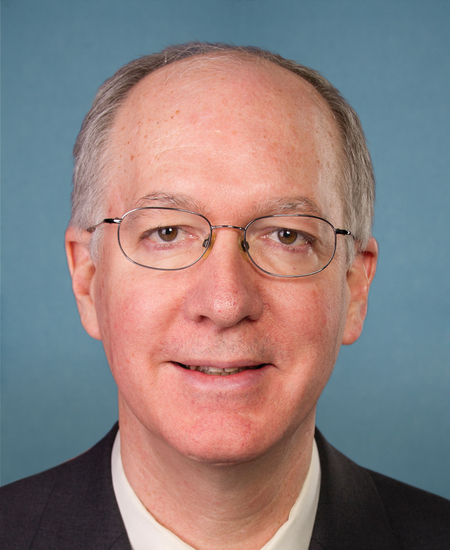
Rep. Bill Foster
Sponsored bills
Maddy summaryHRES 858 is a non-binding House resolution acknowledging the service of two groups: veterans who fought in the 1950-1953 Korean War (including 36,574 U.S. military deaths) and current U.S. troops stationed in South Korea as "Korean Defense Veterans" (nearly 25,000 personnel, with some having died protecting the armistice). It recognizes these veterans as "forgotten" compared to World War II veterans and highlights the ongoing U.S. military presence on the Korean Peninsula. The resolution does not create new benefits or policies but formally honors their sacrifices and contributions to defending democracy. It was introduced in November 2023 by a bipartisan group of representatives.
Maddy summaryHR 6297, the Payer State Transparency Act of 2023, requires the federal government to calculate each state's annual federal tax burden and federal spending. It mandates that individual tax payments be counted as a burden on the state where the person resides, and business taxes be allocated proportionally based on where business activity occurs. Similarly, federal spending (including contracts) must be allocated by state based on where work is performed. The results will be published annually in a public report to Congress and online by the Bureau of Economic Analysis.
Maddy summaryThis bill would authorize the U.S. government to confiscate Russian sovereign assets held in U.S. jurisdiction and use those funds to support Ukraine's reconstruction and humanitarian needs following Russia's invasion. It prohibits releasing these blocked assets until Russia fully compensates Ukraine or agrees to an international compensation mechanism. The bill establishes a "Ukraine Support Fund" to hold confiscated assets and requires regular congressional reporting on how these funds are allocated for Ukraine's recovery. It also includes provisions for international coordination with allies on sanctions and asset management related to Russia's invasion of Ukraine.
Maddy summaryThe Healthcare Workforce Resilience Act (HR 6205) reallocates unused employment-based immigrant visas from fiscal years 1992-2021 to directly support foreign nurses and physicians seeking permanent residency in the U.S. It creates 40,000 new visas - 25,000 for nurses and 15,000 for physicians - available only to those with petitions filed within three years of the bill’s enactment. The bill includes expedited processing without fees, exempts these visas from country limits, and requires employers to attest that hiring foreign workers won’t displace U.S. workers. This policy change specifically targets healthcare staffing shortages by streamlining pathways for qualified foreign healthcare professionals.
Maddy summaryThe REPAIR Act requires car manufacturers to provide vehicle owners and independent repair shops with free, unrestricted access to vehicle data and repair information. It bans manufacturers from using technological or legal barriers to block access to diagnostics, tools, or aftermarket parts, and prohibits mandating specific brands for repairs or restricting customers’ choice of repair facility. The law also prevents manufacturers from requiring waivers of these rights as a condition of purchase, lease, or warranty service. The Federal Trade Commission will enforce these provisions to ensure fair competition in vehicle repair.
Maddy summaryHR 5983, the Clean Water Act of 2023, redefines "protected water resources" under federal law to explicitly include all interstate and intrastate waters (such as intermittent and ephemeral streams), wetlands, and their tributaries. This directly affects federal agencies like the EPA, states managing water quality, and developers or landowners needing permits for activities near these waters. The bill eliminates the Supreme Court’s narrow "navigable waters" definition from Sackett v. EPA (2023), restoring protections for tens of millions of acres of wetlands and millions of miles of small streams. Key mechanisms require the EPA to annually review and adjust exclusions from protections based on scientific evidence, ensuring water bodies critical to drinking water, flood control, and ecosystems remain safeguarded.
Maddy summaryHRES 819 is a symbolic resolution recognizing the 5-year anniversary of the October 27, 2018, antisemitic attack at Pittsburgh’s Tree of Life Synagogue, which killed 11 people. It condemns antisemitism and references rising hate incidents, including the Anti-Defamation League’s 2022 report of record antisemitic activity (3,697 incidents). The resolution honors the victims, expresses solidarity with affected Jewish communities, and reaffirms the U.S. commitment to combatting hate and protecting religious freedom. As a procedural resolution (not a law), it has no binding effect but serves as a formal statement of congressional stance.
Maddy summaryThis bill restores federal student loans for graduate and professional students by temporarily reinstating eligibility for Federal Direct Stafford Loans, which was previously terminated. It applies directly to graduate students who were excluded from these loans, preventing them from accumulating additional debt. The change is temporary, ending on or before June 30, 2023, and modifies specific provisions of the Higher Education Act without requiring additional rulemaking.
Maddy summaryThis resolution (HRES 784) symbolically designates October 15, 2023, as "National Pregnancy and Infant Loss Remembrance Day" to honor individuals and families who have experienced pregnancy loss or infant death. It asks the House to support the day’s goals, recognize the emotional impact of these losses, and request the President issue a proclamation encouraging public observance. The resolution does not create new laws or funding but aims to raise awareness and reduce stigma around pregnancy and infant loss, which affects an estimated 1 million U.S. families annually. It directly acknowledges the experiences of those who have endured such losses without proposing concrete policy changes.