

Maddy summaryThe SHIP Act imposes sanctions on foreign entities that knowingly handle Iranian petroleum, targeting those involved in port operations, transportation, refining, or ship-to-ship transfers of Iranian oil. Starting 90 days after enactment, the President must block assets, deny visas, and impose penalties on individuals or companies engaging in these activities, including family members or owners of sanctioned entities. It requires annual reports tracking Iran's oil exports, revenues, and key players like shipping companies and ports. The sanctions terminate if the President certifies Iran has stopped supporting terrorism and dismantled weapons programs.
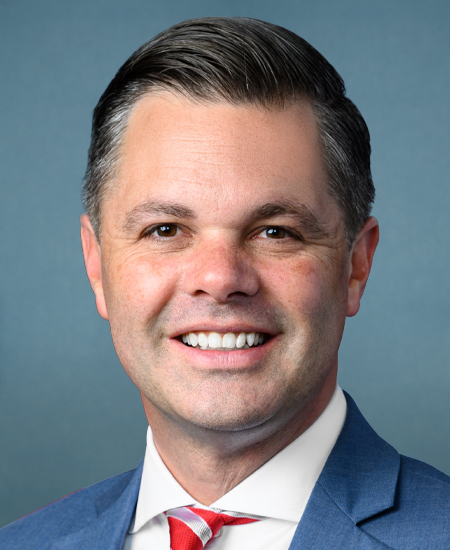
Rep. Zachary Nunn
Sponsored bills
Maddy summaryThis bill requires most employers to keep opioid overdose reversal drugs (like naloxone) on-site, based on workplace size and risk, and to train staff on recognizing overdoses and using the drugs. It sets a 1-year deadline for a temporary workplace rule and a 2-year deadline for a final rule from the Labor Secretary. The bill also expands federal grants to help businesses and communities access training and resources for these reversal drugs. These provisions directly affect employers and workers in settings where opioid overdoses could occur, aiming to improve on-site response capabilities.
Maddy summaryHR 340, the "Hamas and Other Palestinian Terrorist Groups International Financing Prevention Act," imposes sanctions on foreign individuals, entities, and governments that provide significant financial, material, or transactional support to Hamas, the Palestinian Islamic Jihad, or their affiliates. The bill requires the President to identify those supporting these groups and mandates sanctions including restrictions on exports, defense sales, and financial transactions over $10 million, while exempting humanitarian assistance like medicine and food. It also requires regular reports on foreign countries that host or support these groups' financial networks and mandates actions to disrupt their fundraising and money laundering activities. The legislation terminates after 3 years or if Hamas and Palestinian Islamic Jihad are no longer designated as terrorist organizations under U.S. law.
Maddy summaryThis bill exempts human trafficking survivors from paying federal income tax on restitution or civil damages awarded under federal trafficking laws. Specifically, it removes taxable status for payments received under Sections 1593 (criminal restitution) and 1595 (civil damages) of Title 18, U.S. Code. The provision directly affects survivors who receive court-ordered compensation for trafficking crimes, ensuring they retain the full amount of their award. This change prevents survivors from facing unexpected tax burdens on funds meant to aid their recovery. The tax exemption applies to payments made after the bill's enactment date.
Maddy summaryHR 6152, the Adopt GREET Act, requires the Environmental Protection Agency (EPA) to adopt and use the GREET model - a scientific tool developed by Argonne National Laboratory - for calculating lifecycle greenhouse gas emissions of transportation fuels. The bill mandates the EPA update this methodology every five years, starting 90 days after enactment, and specifically requires the first update to use the GREET model. This directly affects the EPA in its regulatory work and fuel pathway developers seeking approval for new fuels under existing EPA rules. The law ensures EPA analyses of fuel emissions align with the most current scientific model, with reporting requirements if updates are delayed.
Maddy summaryThe Train More Nurses Act (HR 6122) requires the Secretaries of Health and Human Services and Labor to jointly review all federal grant programs supporting the nursing workforce. Within one year of enactment, they must submit a report to Congress with recommendations to improve these programs. The report must specifically address three goals: increasing nurse faculty in underserved areas, creating pathways for experienced nurses (with 10+ years of clinical work) to become faculty, and expanding opportunities for licensed practical nurses to become registered nurses. This bill does not change existing programs but mandates a review and report to inform future policy decisions.
Maddy summaryHR 6173 establishes a pilot program to address technology-based abuse against victims of domestic violence, dating violence, sexual assault, and stalking. It authorizes up to 15 grants of $2 million each to partnerships between tech-focused schools, domestic violence centers, and local governments to provide victims with devices and tech safety support. The bill also creates a separate $20 million grant program over five years to fund training materials for organizations helping victims navigate tech abuse. These programs directly affect victims facing digital stalking or harassment by abusers, aiming to improve safety through targeted resources and education.
Maddy summaryHR 2601, the National Human Trafficking Hotline Enhancement Act, requires organizations applying for federal grants under the Trafficking Victims Protection Act to certify they will share hotline information with state or local law enforcement upon request, while following disclosure laws. This directly affects grant applicants, such as anti-trafficking organizations operating the National Human Trafficking Hotline. The key mechanism adds a new certification requirement to grant eligibility, ensuring potential data sharing with law enforcement when appropriate. The bill also mandates a joint report from the Attorney General and DHS Secretary to Congress on how this requirement is implemented. The bill does not change the hotline's operations or victim services.
Maddy summaryThe REPAIR Act requires car manufacturers to provide vehicle owners and independent repair shops with free, unrestricted access to vehicle data and repair information. It bans manufacturers from using technological or legal barriers to block access to diagnostics, tools, or aftermarket parts, and prohibits mandating specific brands for repairs or restricting customers’ choice of repair facility. The law also prevents manufacturers from requiring waivers of these rights as a condition of purchase, lease, or warranty service. The Federal Trade Commission will enforce these provisions to ensure fair competition in vehicle repair.
This resolution urges the President to demand the release of all hostages in Gaza. The resolution also urges the President to maintain all applicable sanctions on Iran and to use all other coercive and diplomatic resources to secure the release of Americans wrongfully detained in Gaza.