

Maddy summaryThe PRECISE Act (HR 1459) modifies existing USDA loan and conservation programs to specifically support farmers and ranchers adopting precision agriculture technologies. It expands eligibility for loan guarantees and increases payments under the Environmental Quality Incentives Program (EQIP) and Conservation Stewardship Program (CSP) for practices involving precision agriculture - such as GPS-guided equipment, soil sensors, and data management software. The bill defines "precision agriculture" broadly to include technologies that reduce input use (like fertilizer or water) while improving efficiency, and requires USDA agencies to coordinate on these programs. Directly affects farmers using EQIP/CSP, with special provisions for socially disadvantaged and beginning farmers. It does not create new programs but adjusts existing funding mechanisms to prioritize precision agriculture adoption.
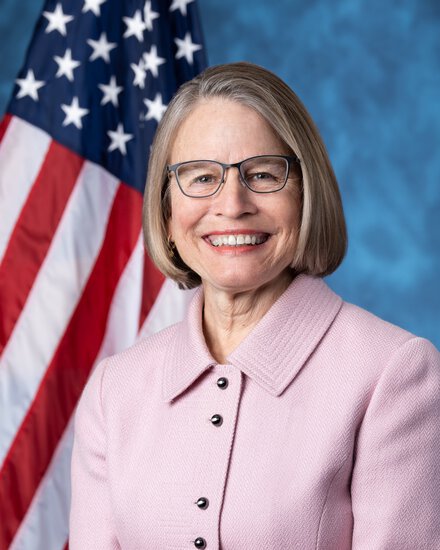
Rep. Mariannette Miller-Meeks
Sponsored bills
Maddy summaryHR 1362, the Saving America’s Energy Future Act, prohibits federal agencies from banning new oil and gas leasing or drilling permits on federal lands. It directly prevents the Secretaries of Agriculture (for National Forest System lands) and Interior (for other public lands) from implementing moratoriums on these activities. The bill’s key mechanism is a clear statutory ban requiring agencies to continue processing new leases and permits without delay. This policy change affects oil and gas companies seeking access to federal land resources by ensuring leasing processes remain active. The bill does not create new programs or alter environmental standards, only blocking a specific regulatory action.
Maddy summaryHR 1287, the Cattle Price Discovery and Transparency Act of 2023, requires large cattle packers (those slaughtering at least 5% of national fed cattle in the past five years) to report more detailed information about cattle purchases and establish minimum requirements for transparent pricing. Key provisions include creating a public "cattle contract library" that catalogs different types of contracts between packers and producers, mandating that packers purchase a minimum percentage of cattle through transparent pricing mechanisms (with initial minimums based on historical data), and requiring packers to report cattle delivery schedules 14 days in advance. The bill also establishes penalties for noncompliance, including civil penalties up to $90,000 per violation, and directs the Secretary of Agriculture to analyze alternative marketing arrangements tied to boxed beef prices. These changes aim to increase transparency in cattle markets and provide producers with more information to negotiate fair prices.
Biologics Competition Act of 2023 This bill requires the Food and Drug Administration (FDA) to evaluate (1) the differences between the requirements that apply to interchangeable biologics and the requirements that apply to therapeutically equivalent ratings for generic drugs, and (2) the effects of these differences on the approval of interchangeable biologics. The FDA must update the Purple Book with changes that better align the ways these requirements are communicated while still maintaining each distinct approval pathway. The Purple Book is an FDA publication that lists approved biological products, including biosimilars and interchangeable biologics. Interchangeable biologics are biologics that may be substituted for the original product without consulting the prescriber, similar to how generic drugs may be substituted for brand-name drugs based on therapeutic equivalence.
Maddy summaryThis bill amends the Affordable Care Act to allow individuals to enroll in standalone dental plans through health insurance Exchanges without needing to also have a separate health insurance plan. It directly affects consumers seeking dental coverage who may not qualify for or prefer not to enroll in a comprehensive health plan. The key provision removes a federal restriction that previously prevented enrollment in these dental plans solely based on lack of separate health insurance. This change makes it easier for people to access dental insurance options through the same marketplaces used for health coverage.
Maddy summaryHR 2454, the United States-Israel PTSD Collaborative Research Act, establishes a grant program to fund joint research projects between U.S. academic or nonprofit entities and Israeli institutions focused on post-traumatic stress disorder (PTSD). The bill directs the Secretary of Defense, with coordination from the Departments of Veterans Affairs and State, to award grants for collaborative research addressing PTSD treatment gaps, building on existing U.S.-Israel scientific cooperation frameworks. It specifically targets research into improved PTSD diagnosis and treatment methods, rather than providing direct services or benefits. The program requires annual reporting to Congress on research outcomes and terminates seven years after the first grant is issued.
Maddy summaryThis bill, HR 2451 (Freedom of Association in Higher Education Act of 2023), prevents colleges receiving federal funds from punishing students or single-sex social organizations (like fraternities/sororities) solely because of their single-sex membership policies. It prohibits actions such as denying housing, scholarships, or leadership roles, or forcing students to waive these protections as a condition of enrollment. The law does not require colleges to recognize such groups, nor does it block disciplinary action for misconduct unrelated to membership (e.g., academic issues). It directly affects students in single-sex organizations and institutions participating in federal student aid programs under Title IV.
Maddy summary# Summary of the TAPP American Resources Act This comprehensive legislation, titled the "TAPP American Resources Act" (or "Transparency, Accountability, and Permitting Process for American Resources Act"), is a major overhaul of federal energy and natural resource permitting processes. The key provisions include: 1. **Streamlined Permitting Processes**: - Creates a 50-year term limit for pipeline rights-of-way - Allows oil and gas exploration on non-Federal surface estate without Federal permits - Reduces royalty rates for oil and gas leases from 16.67% to 12.5% - Limits judicial review of permits to cases involving "imminent and substantial environmental harm" 2. **NEPA Reforms**: - Expands categorical exclusions for certain energy projects - Allows use of previously completed environmental assessments for similar projects - Limits environmental reviews to areas directly affected by the proposed action - Reduces consideration of downstream effects of oil and gas consumption 3. **Mining and Mineral Development**: - Designates mining as a "covered sector" for permitting improvement - Creates a memorandum of agreement process for mining projects - Requires mineral resource assessments before land withdrawals - Ensures uranium is considered a critical mineral 4. **Revenue Sharing**: - Changes distribution of Gulf of Mexico revenue to states (37.5% to Gulf states, 62.5% to general fund) - Creates parity in offshore wind revenue sharing with offshore oil and gas - Eliminates administrative fees under the Mineral Leasing Act 5. **Water Quality Certification**: - Limits certification requirements to specific provisions of Clean Water Act sections - Requires states to publish certification requirements within 30 days - Sets 90-day timeline for states to identify additional materials needed The legislation represents a significant shift toward expediting domestic energy production while reducing regulatory burdens, with a focus on oil, gas, and mineral development on federal lands. It includes numerous amendments to existing laws including the National Environmental Policy Act, Mineral Leasing Act, Outer Continental Shelf Lands Act, and Clean Water Act.
Maddy summaryThis bill expands educational benefits eligibility for military members discharged under specific conditions related to COVID-19 vaccines. It amends two key programs (All-Volunteer Force and Post-9/11 GI Bill) to include service members receiving a "general discharge under honorable conditions on the sole basis" of refusing a lawful vaccine order. This change ensures those discharged solely for vaccine refusal - when the order was lawful - retain access to educational assistance they would otherwise qualify for with other honorable discharges. The bill directly affects active-duty service members who were discharged for vaccine non-compliance, not for other misconduct.
Maddy summaryHR 1831 would award Billie Jean King a Congressional Gold Medal to honor her lifelong advocacy for equal rights in sports and society. The bill directs the Secretary of the Treasury to strike the medal and have it presented by congressional leaders, recognizing her pivotal role in advancing women's equality through tennis (including founding the Women’s Tennis Association and securing equal prize money) and her broader impact on society through initiatives like Title IX advocacy.