

Maddy summaryThis bill requires the Department of Veterans Affairs (VA) to study how different forms of cannabis might affect veterans' health, specifically focusing on those enrolled in VA care with chronic pain, PTSD, or other conditions. It mandates research into various cannabis types (full plants, extracts, specific strains, and chemical analogs) and delivery methods (topical, inhalation, ingestion), while requiring all data to be preserved for future study. The VA must develop an implementation plan for this research, submit annual reports to Congress over five years, and follow all applicable federal research regulations. This is strictly research-focused; the bill does not change current VA policies on cannabis access for veterans.
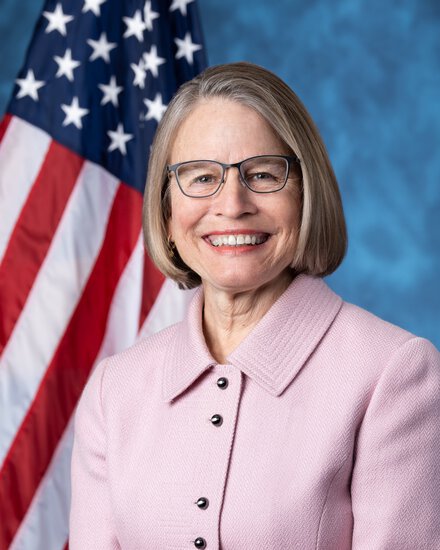
Rep. Mariannette Miller-Meeks
Sponsored bills
Maddy summaryThis bill amends the Clean Air Act to change how national air quality standards are implemented and reviewed. It extends the timeline for reviewing air quality standards from 5 to 10 years, requires consideration of economic impacts and feasibility when setting standards, and mandates that the EPA issue implementing regulations and guidance at the same time as new standards. It also gives states more time (up to 3 years) to correct deficiencies before federal plans are imposed, and adds wildfire mitigation measures as factors that can be considered in air quality designations. The bill directly affects states, local governments, and businesses that must comply with air quality regulations, particularly those in ozone and particulate matter nonattainment areas. These changes aim to create a more balanced implementation process that considers both environmental protection and practical economic considerations.
Maddy summaryHR 5499, titled "Congressional Oversight of the Antiquities Act," would amend the Antiquities Act to impose time limits on national monument designations. It requires that any national monument established by presidential proclamation under the law expires after six months unless Congress extends it, and if not extended, the land cannot be re-designated as a monument for 25 years. This directly affects federal land managers and future presidents, who would need congressional action to maintain or expand monument boundaries. The bill changes the current process by adding automatic expiration and a long-term moratorium on re-designation, shifting authority to Congress.
Maddy summaryThis bill amends budget scoring rules to require the Congressional Budget Office to account for long-term savings from preventive health programs when evaluating legislation. It directs the CBO to assess if a bill reduces future government costs through evidence-based preventive health services (like screenings or vaccinations) and include those savings in budget projections. The change affects how Congress scores the fiscal impact of health-related bills, requiring them to consider savings over 20 years (not just the current budget cycle). It does not create new programs but changes the budget analysis process for preventive health measures.
Maddy summaryThis resolution (HRES 1086) is a symbolic gesture expressing the House's support for designating March 19, 2024, as "National Agriculture Day." It does not create new laws or policies, but instead formally recognizes agriculture as a vital industry in the U.S. economy. The resolution celebrates agriculture's broad economic impact without imposing any requirements or changes on farmers, consumers, or government programs. It is a commemorative statement, not a substantive legislative action.
Maddy summaryHR 7725 would block federal funding for graduate medical schools that require students or staff to adopt specific statements about race, gender, or identity (like claiming systemic racism or collective guilt), use race-based distinctions in admissions or programs, maintain DEI offices, or mandate "diversity statements" for admission. It directly affects graduate medical schools at colleges/universities receiving federal financial aid, including student loans. The bill exempts medical education about race-related health needs, demographic data collection for reporting, and religious institutions from adhering to policies conflicting with their beliefs. Schools violating these rules would lose eligibility for federal funds, though they could still comply with anti-discrimination laws and provide general academic instruction.
Maddy summaryHR 4278, the Restore VA Accountability Act of 2023, establishes new disciplinary procedures for VA supervisors and management officials (excluding senior executives and political appointees). It requires the VA Secretary to use "substantial evidence" for removal, demotion, or suspension, sets strict timelines (15 business days total for decisions), and creates a new internal grievance process. The bill limits judicial review to procedural errors, not penalty severity, and strengthens whistleblower protections by requiring Office of Special Counsel approval for disciplinary actions involving disclosures. This directly affects VA supervisors and managers whose performance or misconduct leads to disciplinary action.
Maddy summaryHR 7656, the Balanced Budget and Accounting Act, would require the President's annual federal budget to balance spending and revenue each fiscal year. It amends Section 1105(a) of Title 31, U.S. Code, to mandate that total government spending (outlays) cannot exceed total revenue (receipts) in any given year. This would directly affect how the executive branch prepares and submits federal budgets, imposing a binding constraint on annual budget planning. The bill creates a concrete rule for budget preparation, requiring the President to submit a balanced budget proposal without exception.
Maddy summaryHR 6421, the Affordable HOMES Act, repeals federal requirements for energy efficiency standards in manufactured housing. It removes the authority established under the Energy Independence and Security Act of 2007 to set such standards and invalidates a 2022 Department of Energy rule implementing those standards. This bill directly affects manufactured home manufacturers by eliminating a federal regulatory requirement related to energy conservation.
Maddy summaryThis non-binding resolution expresses the House's support for in vitro fertilization (IVF) access, noting that 19% of women in the U.S. face infertility challenges. It states IVF is necessary for those unable to conceive naturally, emphasizes policies enabling family growth, and recognizes "life is precious." The resolution does not create new laws or change regulations but symbolically affirms the House's position on IVF as a vital medical option for individuals struggling with infertility. It was introduced by Rep. Chavez-DeRemer and others on February 29, 2024.