

Maddy summaryThe Biochar Research Network Act of 2025 establishes a national network of up to 20 research sites to study how biochar (a charcoal-like substance) improves soil health, carbon sequestration, and farming practices. It directs the Agriculture Department to fund research testing biochar across diverse soils, climates, and agricultural systems to assess its impact on crop yields, climate mitigation, and profitability for farmers, ranchers, foresters, and land managers. The bill authorizes $50 million annually from 2026 to 2030 for this research, focusing on practical, science-based guidance for sustainable biochar use. The network will generate data to help land managers adopt biochar for soil health, carbon reduction, and resilience to extreme weather.
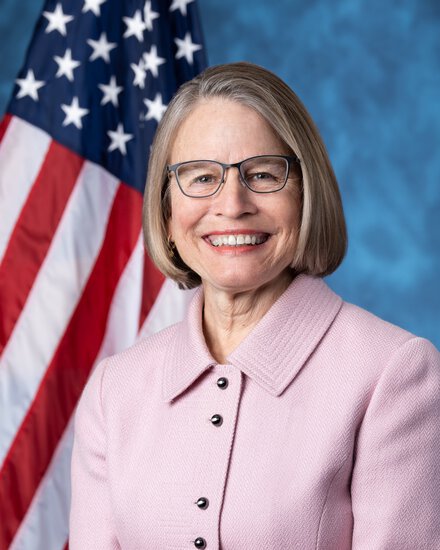
Rep. Mariannette Miller-Meeks
Sponsored bills
Maddy summaryHR 4752, the Reducing Hereditary Cancer Act, requires Medicare to cover genetic testing for germline mutations in individuals with a family history of hereditary cancer or suspicious personal/family history. It mandates coverage for risk-reducing surgeries (like mastectomies or hysterectomies) when guided by evidence-based clinical guidelines, and increases the frequency of cancer screenings (such as mammograms, colonoscopies, and breast MRI) for Medicare beneficiaries confirmed to have hereditary cancer gene mutations - ensuring screenings occur at least annually. The bill applies to Medicare beneficiaries with specific high-risk profiles, aligning coverage with guidelines from recognized oncology organizations like the National Comprehensive Cancer Network. It does not change eligibility but modifies Medicare’s existing coverage rules to expand access to these preventive services.
Maddy summaryThis bill establishes a federal right for livestock producers to sell meat and dairy products across state lines without facing conflicting state regulations. It prevents states from imposing production standards (like animal welfare rules) on products not raised within that state, ensuring a uniform national market for covered livestock products. The law specifically covers animals raised for meat or dairy (including milk products), but excludes egg production. This aims to eliminate barriers to interstate commerce for these products while aligning with U.S. trade obligations.
Maddy summaryThis bill modernizes the process for seasonal agricultural workers who need commercial driver's licenses (CDLs). It requires the Transportation Secretary to create online systems for easy license renewal (Section 2(a)) and clarifies that farm equipment like tractors and harvesters ("implements of husbandry") are not subject to commercial vehicle weight calculations (Section 2(b)). It directly affects farm-related service industries and their seasonal employees who operate restricted CDL vehicles. The changes simplify administrative processes and remove regulatory barriers for agricultural operations.
Veterans' Assuring Critical Care Expansions to Support Servicemembers Act of 2025 or the Veterans' ACCESS Act of 2025 This bill addresses the administration of the Veterans Community Care Program (VCCP) and other Department of Veterans Affairs (VA) health care matters. Among other provisions regarding the VCCP, the bill establishes in statute access standards that determine when a veteran is eligible to receive non-VA care through the VCCP, requires the VA to notify veterans regarding their eligibility for care within two business days after the VA is aware the veteran is seeking care, and extends the deadline for the submittal of claims under the VCCP by health care entities and providers. The VA must address its mental health treatment programs by establishing a standardized screening process to determine whether a veteran satisfies criteria for priority or routine admission to a mental health residential rehabilitation treatment program or a program for residential care for mental health and substance abuse disorders, tracking the performance of medical facilities and Veterans Integrated Service Networks in meeting the requirements for mental health treatment screenings and timely admission to treatment programs under such screenings, and establishing an appeal process for when a veteran is denied admission to a covered treatment program or is accepted into a program but not offered bed placement in a timely manner. Additionally, the VA must establish an online self-service module for veterans to request and manage appointments, track referrals, and appeal and track decisions related to requests for care.
Maddy summaryThis bill prohibits life, disability, and long-term care insurers from denying coverage, canceling policies, or increasing premiums based solely on a person's status as a living organ donor. It directly protects living organ donors by preventing insurance discrimination unrelated to actual health risks. The bill also requires the Health and Human Services Secretary to update public educational materials about organ donation benefits, risks, and insurance impacts within six months of enactment. These materials will include information on the new insurance protections established by the bill. The law relies on state insurance regulators for enforcement of the insurance provisions.
Maddy summaryThis bill amends the Family and Medical Leave Act (FMLA) and federal employee leave rules to clarify that recovery from organ donation surgery qualifies as a "serious health condition." It directly affects private-sector workers covered by the FMLA and federal civil service employees. The key change adds "including recovery from surgery related to organ donation" to the definitions of serious health conditions in both the FMLA and federal leave statutes. This ensures eligible employees can use their existing family and medical leave benefits to recover after donating an organ, without requiring new leave entitlements.
Maddy summaryThis bill requires electronic communication service providers (like social media platforms) and remote computing services (like cloud storage) to report certain controlled substances violations to the Attorney General. Providers must submit reports within 60 days of discovering fentanyl, methamphetamine, or counterfeit prescription drug sales, including account information and details about the violation. The bill includes penalties for failure to report ($380,000 for repeat violations) and for submitting false reports ($100,000), while exempting broadband and text messaging providers from these requirements. It also mandates annual reports from the Attorney General on the number of reports received, investigations conducted, and how violations were discovered.
Maddy summaryThis bill extends the Public Health and Bio-Preparedness Workforce Loan Repayment Program through fiscal years 2026 to 2030, replacing the previous 2023-2025 funding period. It directly affects public health workers (such as epidemiologists, laboratory staff, and emergency response personnel) who have federal student loans. The key provision reauthorizes existing funding to help these workers repay student debt by providing federal reimbursements. This maintains a critical workforce retention tool for agencies like the CDC and state health departments without creating new benefits or altering eligibility. The change is procedural, solely adjusting the program's funding timeline.
Maddy summaryThis resolution (HRES 583) condemns the July 7, 2025, attack on a U.S. Border Patrol facility in McAllen, Texas, where Ryan Louis Mosqueda injured agents and police. It expresses support for the affected personnel, wishes them a full recovery, and reaffirms the House’s backing of Border Patrol officers in their border security mission. The resolution directly addresses the McAllen community and Border Patrol staff impacted by the violence, serving as a symbolic statement of solidarity without creating new laws or policies.