

Maddy summaryThis bill makes permanent Medicare coverage for telehealth services provided by Federally Qualified Health Centers (FQHCs) and Rural Health Clinics (RHCs), including audio-only visits. It directly affects Medicare beneficiaries who use these services and the FQHCs/RHCs delivering them by removing location restrictions - allowing telehealth visits to occur regardless of the patient's geographic location. Key provisions include permanently covering audio-only telehealth (previously temporary), treating telehealth visits as equivalent to in-person visits for payment, and ensuring costs for telehealth are included in FQHC/RHC payment calculations. These changes simplify access to telehealth for rural and underserved communities while maintaining consistent Medicare reimbursement for providers.
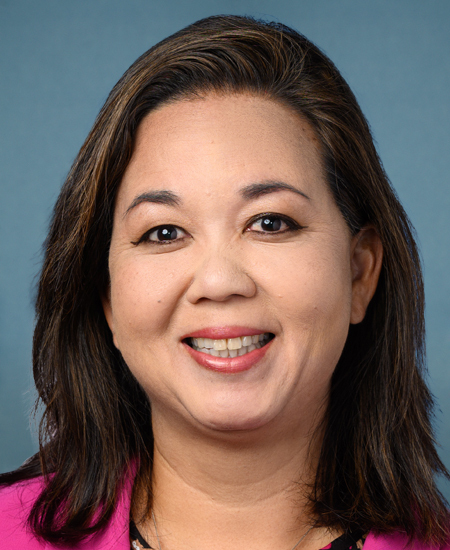
Rep. Jill N. Tokuda
Sponsored bills
Maddy summaryHR 5510, the HOPE and Mental Wellbeing Act of 2023, requires Medicare and Medicaid to cover the first three primary care visits each year at 100% without cost-sharing for beneficiaries. This applies to both Medicare Part B (including Medicare Advantage plans) and Medicaid starting in 2024, directly affecting seniors and low-income individuals seeking mental health or general primary care. The bill defines "primary care visit" to include outpatient behavioral health services, nonspecialty medical care, and care coordination for prevention, diagnosis, or treatment of physical or mental health conditions. This policy change removes financial barriers for initial mental health or primary care appointments under these government health programs.
Maddy summaryHR 5008, the HEAL for Immigrant Families Act of 2023, would remove immigration status as a barrier to health insurance coverage for immigrants in the United States. The bill would make all lawfully present immigrants, including those with Deferred Action for Childhood Arrivals (DACA) status, eligible for Medicaid, CHIP, and Affordable Care Act health insurance subsidies. It would eliminate state-level restrictions on Medicaid eligibility for immigrants and allow individuals with federally authorized presence to access premium tax credits and cost-sharing reductions. This legislation aims to address health coverage disparities that disproportionately affect immigrant communities, particularly Black, Indigenous, Latinx, and other communities of color.
Maddy summaryThe Auto Reenroll Act of 2023 modifies retirement plan rules to make it easier for employees who previously opted out of automatic contributions to be automatically re-enrolled. It allows employers to automatically re-enroll workers in 401(k) plans after 1-3 years (unless the employee actively chooses to stay out), ending the need for employees to re-opt-in each time. This applies to both "qualified automatic contribution arrangements" (like 401(k) plans) and "eligible automatic contribution arrangements." The bill directly affects employees who had previously elected not to contribute to workplace retirement plans, streamlining their return to savings without requiring new action. The changes apply to plan years starting after the bill's enactment date.
Maddy summaryThe Lowering Drug Costs for American Families Act expands Medicare's drug price negotiation program from 20 to 50 drugs, allowing the government to negotiate lower prices for these medications. It requires private health insurance plans and group health coverage to apply these negotiated prices to their members' cost-sharing for covered drugs, with plans able to opt out while publicly disclosing their decision. The bill also extends these negotiated prices to drugs covered by commercial insurance markets, not just Medicare. This would directly affect Medicare beneficiaries and people with private health insurance who take the negotiated drugs.
Maddy summaryThe Physical Therapist Workforce and Patient Access Act of 2023 expands the National Health Service Corps to include physical therapists in its loan repayment program and creates designated "physical therapy health professional target areas" for their assignment in underserved communities. It also amends Medicare to cover physical therapy services provided by physical therapists at Rural Health Clinics and Federally Qualified Health Centers, effective January 1, 2025. This directly affects physical therapists by offering new career pathways in underserved areas and patients in those communities by increasing access to physical therapy services for conditions like pain management and rehabilitation. The bill does not alter existing eligibility requirements for physical therapists but formally integrates their services into key federal healthcare programs.
Maddy summaryThe Access to Infertility Treatment and Care Act would require most health insurance plans to cover infertility treatment (including assisted reproductive technology like IVF) and fertility preservation services for people undergoing medical treatments that might cause infertility, such as cancer therapies. It prohibits cost-sharing (like deductibles and copays) for these services that exceeds what's charged for similar medical services and applies to private insurance, federal employee health plans, TRICARE, veterans' benefits, and Medicaid programs. The bill also requires insurers to provide clear notice to plan members about these coverage requirements. This legislation aims to ensure infertility treatment is covered similarly to other medical conditions, as recognized by medical organizations.
Maddy summaryThe Social Security 2100 Act would significantly enhance Social Security benefits for millions of Americans by increasing monthly payments for retirees, disabled workers, widows/widowers, and children. Key provisions include raising the minimum benefit for long-term low earners, improving cost-of-living adjustments using a more accurate index, eliminating the 5-month waiting period for disability benefits, and extending child benefits to age 26. The bill also changes how Social Security taxes are calculated by applying them to income above $400,000 and establishes a unified Social Security Trust Fund to manage program finances. Most provisions would apply to benefits payable from 2025 through 2034, affecting all current and future Social Security beneficiaries.
Maddy summaryThe BLUE Pacific Act establishes a comprehensive U.S. strategy to deepen engagement with Pacific Island nations through coordinated assistance across multiple policy areas. It authorizes $250 million annually for fiscal years 2023-2033 to support initiatives in climate resilience, economic development, security capacity building, public health, and democratic governance. The act requires the President to develop a Pacific Islands Partnership Strategy by 2027, with regular congressional reporting, and mandates consultation with Pacific Island nations and regional organizations. This legislation formalizes U.S. efforts to support Pacific Island countries in addressing shared challenges like climate change, economic development, and security while strengthening regional partnerships. The strategy will guide U.S. assistance across multiple agencies to support Pacific Island nations' priorities as outlined in regional frameworks like the 2050 Strategy for the Blue Pacific Continent.
Maddy summaryHR 4475, the Period PROUD Act of 2023, allocates $1.9 billion over four years (2025-2028) through the Social Services Block Grant Program to provide free menstrual products to low-income menstruating individuals. It requires states to distribute funds to qualified nonprofits for direct product distribution, community outreach, and improving access, while limiting administrative costs to 9% of funds. The bill mandates an evaluation by 2030 to assess health impacts and requires annual reports on program effectiveness. It also establishes best practices for schools on discussing menstruation and exempts funding from automatic budget cuts.