

Maddy summaryHR 5855, the Jamal Khashoggi Protection of Activists and Press Freedom Act of 2023, creates new visa restrictions for foreign government officials who engage in activities to silence journalists, activists, or dissidents. It adds a specific inadmissibility ground under immigration law for individuals involved in "counter-dissident activities" (such as harassment, threats, or violence) and would deny visas to their immediate family members. The bill also amends the Foreign Sovereign Immunities Act to allow U.S. citizens to sue foreign governments in U.S. courts for personal injury or death caused by such activities. The Secretary of State must submit annual reports to Congress detailing these activities and any visa waivers granted.
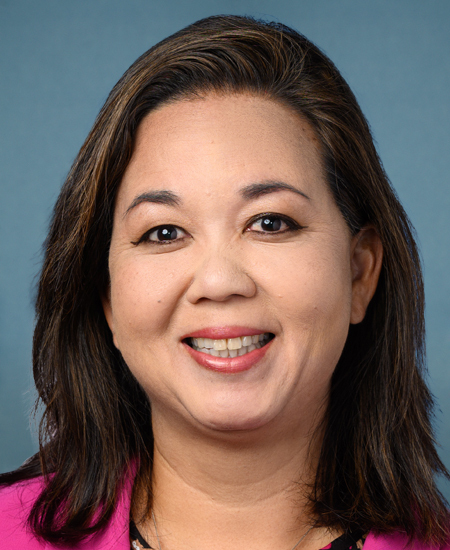
Rep. Jill N. Tokuda
Sponsored bills
Maddy summaryThe Mental Health Infrastructure Improvement Act of 2023 provides federal loans and loan guarantees to help build or improve mental health and substance use disorder treatment facilities. It prioritizes projects that increase psychiatric bed capacity in underserved areas, serve rural communities, or provide integrated care, with 25% of funds reserved specifically for pediatric facilities. Borrowers must contribute 25% of project costs from non-federal sources, and the program allocates up to $200 million annually for fiscal years 2024-2028. The bill includes specific terms for loan repayment, guarantee coverage, and requirements for eligible facility types that qualify for funding.
Maddy summaryHR 5667, the Pay Our Military Act, ensures continued pay and allowances for active-duty military members, reservists, Department of Defense civilians, and qualifying contractors during any government funding gap in fiscal year 2024. It appropriates funds from the Treasury to cover these payments if regular appropriations bills aren't passed before the end of the fiscal year. The funding automatically terminates once regular appropriations are enacted or by January 1, 2025, whichever comes first.
Maddy summaryThe Feed Our Families Act of 2023 ensures SNAP (Supplemental Nutrition Assistance Program) benefits continue for 90 days during the first government shutdown in any fiscal year after 2023. It appropriates emergency funds from the Treasury to cover SNAP operations without requiring new congressional approval during this period. The funds are held in reserve and used solely for SNAP program needs, such as food assistance payments. This directly affects low-income households relying on SNAP for food security during funding gaps.
Maddy summaryThis bill adds a new student loan deferment option for individuals who experienced sex-based harassment. It allows eligible students to pause loan payments for up to 3 years (in periods of 3-12 months) if they reduced their course load due to harassment and submitted documentation to a covered individual (like a Title IX coordinator or healthcare provider). It also waives requirements for students to return federal grants or loans if they withdrew due to harassment and are using the new deferment. The policy directly affects students enrolled in institutions covered under the Higher Education Act who report harassment under defined terms, including sexual harassment, dating violence, domestic violence, stalking, or sexual assault.
Maddy summaryHRES 736 is a House resolution designating September 25-October 1, 2023, as "Asian American and Native American Pacific Islander-Serving Institutions Week" to recognize institutions that serve high proportions of Asian American, Native Hawaiian, and Pacific Islander students. These institutions - enrolling over 46% of such students despite representing only 6.5% of U.S. colleges - provide critical support for low-income, first-generation students through culturally relevant programs. The resolution encourages eligible institutions to seek funding and urges the public to observe the week with activities celebrating their educational contributions. It has no legal effect but serves as a symbolic acknowledgment of their role in higher education.
Maddy summaryHR 5817, the PASSPORT Act, aims to improve U.S. passport processing by requiring the State Department to expand a pilot program notifying passport holders 6 months before expiration (instead of the current limited system) and codify this process. It mandates airlines to provide passport validity requirements and application information during flight bookings, and establishes better tracking for citizenship documents with return shipping options and reimbursement for lost documents. The bill also directs a GAO study on passport operations, including lockbox facilities and demand planning, and requires the State Department to address staffing needs for passport processing staff. These changes directly affect all U.S. passport applicants and travelers by reducing delays and improving transparency in the application process.
Maddy summaryThis bill replaces "Columbus Day" with "Indigenous Peoples’ Day" as the official federal holiday observed on the second Monday in October. It directly affects federal government operations and all federal documents, rules, or laws that previously referenced "Columbus Day" by automatically updating those references to "Indigenous Peoples’ Day" upon enactment. The key mechanism is a simple amendment to federal law (5 U.S.C. § 6103(a)) to change the holiday name and a provision ensuring all existing federal references to Columbus Day are legally treated as referring to Indigenous Peoples’ Day instead. This is a procedural change to federal holidays and references, not a new policy or program.
Maddy summaryThis bill expands access to Head Start services by raising the family income eligibility threshold to 138% of the federal poverty level and broadening the definition of "public assistance" to include programs like SNAP and Medicaid. It authorizes $36 billion annually for Head Start programs (2025-2030), plus $1 billion yearly for infrastructure grants to modernize aging facilities meeting specific safety and health criteria. Additionally, it creates $6.8 billion in annual funding for Head Start employee salary increases and offers student loan forgiveness for childcare workers employed full-time in Head Start/Early Head Start programs for three years. These changes directly affect low-income families seeking early childhood education and Head Start staff in over 1,000 agencies nationwide.
Maddy summaryThis bill requires websites and applications used by public entities, businesses, and employers to be accessible to people with disabilities. It directs the Department of Justice and Equal Employment Opportunity Commission to establish accessibility standards within 24 months, with special consideration for small businesses. The law defines accessibility as websites that are perceivable, operable, understandable, and robust for people with disabilities. It also creates a technical assistance center to help entities comply and provides grants to small businesses to fix inaccessible websites. The bill aims to ensure equal digital access for people with disabilities, building on existing ADA protections.