

Maddy summaryHR 927, the Supreme Court Ethics Act, establishes new ethics rules and oversight for Supreme Court justices. It requires the Judicial Conference to create a binding code of conduct within one year and mandates the appointment of an Ethics Investigations Counsel to receive public complaints, investigate potential violations, and issue annual public reports. The bill also requires justices to publicly disclose their reasons for recusing themselves or denying recusal motions in cases. These provisions directly affect Supreme Court justices by creating a formal process for handling ethics concerns and increasing transparency around their conduct.
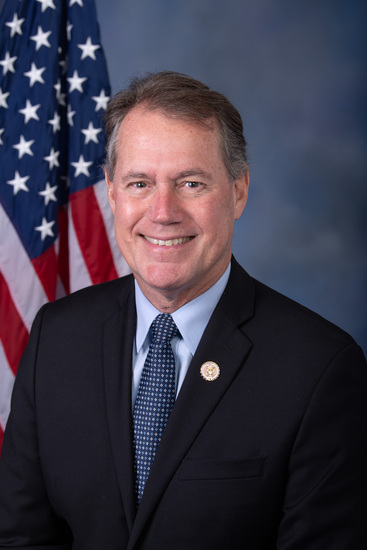
Rep. Ed Case
Sponsored bills
Maddy summaryThis bill makes significant changes to US corporate tax rules to prevent tax avoidance through foreign operations. It requires corporations to calculate foreign income tax liabilities country-by-country, limits interest deductions for large international financial reporting groups, and modifies rules for "inverted corporations" (where US companies move tax residence abroad). The bill also creates new rules treating foreign corporations managed primarily in the US as domestic corporations for tax purposes. These changes aim to close tax loopholes related to outsourcing and foreign tax planning.
Maddy summaryThe REEF Act requires the Secretary of the Navy to notify Congress 90 days before retiring any naval vessel that is a viable candidate for artificial reefing. It also states that Congress believes the Navy should actively seek opportunities to repurpose such vessels for environmental benefits through artificial reefs. This bill does not change retirement procedures but mandates a formal notification process to inform Congress about potential reefing options for eligible vessels.
Maddy summaryThe BRAVE Act requires the Department of Veterans Affairs to create a new system that proactively offers mental health resources to eligible veterans. It specifically targets veterans enrolled in VA care who have experienced traumatic or highly stressful events, allowing them to opt-in to receive information about available mental health services. The system must coordinate with the Department of Defense's Transition Assistance Program and be fully implemented within two years of the bill's enactment. This changes VA's outreach approach by making mental health support more accessible after critical life events. The bill directly affects veterans who qualify under these criteria, not broader populations.
Maddy summaryHR 303, the Retired Pay Restoration Act, allows certain disabled military retirees to receive both full retired pay and veterans’ disability compensation without forfeiting retired pay. It specifically extends this benefit to retirees with service-connected disabilities rated below 50% (previously ineligible), while continuing existing provisions for those with 50-90% ratings and 100% ratings. The bill eliminates the "one dollar for one dollar" offset for these retirees, effective January 2021, meaning they no longer lose retired pay to receive disability compensation. This directly affects disabled military retirees with qualifying service-connected disabilities under 50% who were previously required to sacrifice retired pay. The law amends Title 10 to redefine "qualified retirees" and streamline concurrent payment eligibility.
Maddy summaryHRES 94 is a symbolic House resolution (introduced February 2023) that formally honors the Harlem Renaissance - a cultural movement spanning the 1910s to 1930s. It recognizes the movement’s role in redefining Black identity through literature, music, art, and political thought, highlighting figures like Langston Hughes, Duke Ellington, and organizations such as the NAACP. The resolution does not create new laws or policies; it solely commemorates the movement’s historical significance, its influence on civil rights, and its lasting impact on American culture, while affirming support for preserving Harlem’s cultural legacy.
This resolution states that the House of Representatives (1) rejects hate, discrimination, and antisemitism; (2) stands united with the Jewish people against rising antisemitism; and (3) condemns antisemitic tropes such as claims of dual loyalty.
Maddy summaryHR 765, the African American History Act, authorizes $2 million annually for the National Museum of African American History and Culture to develop educational resources and programs about African American history. The bill directs the museum to create accessible teaching materials, support teacher professional development, and expand digital content for schools and the public, focusing on contributions, civil rights, and historical contexts. It requires annual reports to Congress and expires in 2028. The program directly supports educators, students, and families in learning about African American history through museums, schools, and online platforms.
Maddy summaryHR 715, the Bipartisan Background Checks Act of 2023, requires background checks for all firearm transfers between private individuals, not just those through licensed dealers. It mandates that unlicensed sellers must involve a licensed dealer to conduct a background check before transferring a firearm, with exceptions for family transfers (like spouses or parents/children), law enforcement, temporary safety transfers, and certain hunting or range activities. The bill also requires licensed dealers to provide a notice and certification form in both English and Spanish to buyers. It explicitly states it won't create a national gun registry or override state laws on the same topic. The law would take effect 180 days after enactment.
Maddy summaryHR 660, "Ethan's Law," requires gun owners in homes where minors (under 18) or individuals prohibited from owning firearms under federal/state law reside to store firearms securely. It makes unsecured storage unlawful if a minor or prohibited person could access the firearm, with fines of $500 per violation and enhanced penalties (up to 5 years in prison) if injury or death occurs. The bill also establishes a federal grant program to help states implement similar secure storage laws and provides funding incentives for states that already have such laws in place.