Accelerating the Growth of Rural Innovation and Tourism Opportunities to Uphold Rural Industries and Sustainable Marketplaces Act or the AGRITOURISM Act This bill establishes an office within the Department of Agriculture to promote agritourism activities and businesses.
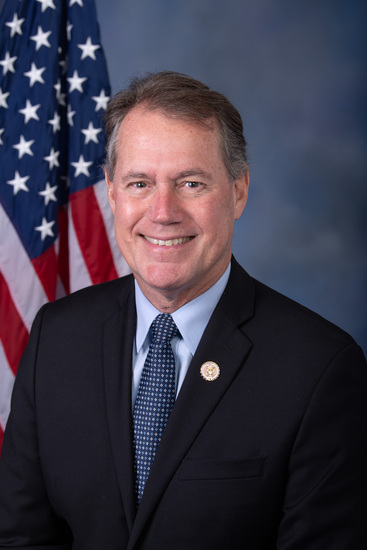
Rep. Ed Case
Sponsored bills
This bill revises enforcement provisions under the Animal Welfare Act (AWA), including by directing inspectors to confiscate or destroy in a humane manner animals found to be suffering physical or psychological harm as a result of failure to comply with the AWA.
Cures 2.0 Act This bill addresses pandemic preparedness and public health issues, caregiver and patient engagement, drug development, insurance coverage, and biomedical research. The Department of Health and Human Services (HHS) must undertake research and other activities concerning COVID-19 and develop a strategy for future pandemics and declared emergencies. Additionally, the bill specifies actions to combat antimicrobial resistance. HHS may award grants for caregiver training. The bill also addresses diversity in clinical trials, collecting patient experience data during clinical trials, and coverage for care related to participation in specified clinical trials. The bill modifies the timeframe and requires additional guidance relating to expedited approval of certain breakthrough drugs, devices, or products. It also establishes two intercenter institutes within the Food and Drug Administration (FDA) focused on particular diseases that meet specified criteria. The bill also addresses (1) coverage in Medicare, Medicaid, and the Children's Health Insurance Program for telehealth, genetic and genomic testing, and other services; (2) electronic prescribing standards for Medicare drug benefits; and (3) access to Medicare and Medicaid claims data by certain registries. Furthermore, the bill prohibits the use of geographic tracking or biometrics in Medicaid electronic visit verification systems. The bill establishes the Advanced Research Projects Agency for Health (ARPA-H) within the National Institutes of Health to accelerate biomedical research and innovation through grants, contracts, cash prizes, and other means. The FDA may work with ARPA-H to expedite the development of medical products through specified activities.

Advancing the Quality and Understanding of American Aquaculture Act or the AQUAA Act This bill establishes standards for sustainable aquaculture in federal offshore waters in the exclusive economic zone and establishes related requirements. For example, it requires the National Oceanic and Atmospheric Administration (NOAA) to establish a national plan to identify and designate aquaculture opportunity areas. In addition, NOAA must establish a unified permitting and review process for aquaculture operations. NOAA must also establish a grant program for research and development to support the development of a sustainable marine aquaculture industry, such as research and services to create innovative design and engineering solutions to common obstacles within the aquaculture industry. Finally, the bill directs the Department of Commerce to create and provide resources for an Office of Aquaculture within NOAA to coordinate regulatory, scientific, outreach, and international issues related to aquaculture.
Accelerating Access to Critical Therapies for ALS Act This bill establishes grant programs to address neurodegenerative diseases, such as amyotrophic lateral sclerosis (also known as ALS or Lou Gehrig's disease), and contains other related provisions. The Department of Health and Human Services (HHS) shall award grants to eligible entities for scientific research utilizing data from expanded access to investigational ALS treatments for individuals who are not otherwise eligible for clinical trials. The Food and Drug Administration (FDA) shall award grants to public and private entities to cover the costs of research and development of drugs that diagnose or treat ALS and other rare neurodegenerative diseases. HHS shall also establish the Public-Private Partnership for Neurodegenerative Diseases between the National Institutes of Health, the FDA, and at least one eligible entity (generally, an institution of higher education or a nonprofit organization). The partnership shall support the development and regulatory review of drugs that address ALS and other rare neurodegenerative diseases. The FDA shall publish on its website a five-year action plan for fostering the development of drugs that improve or extend the lives of people living with rare neurodegenerative diseases. The Government Accountability Office must report to Congress about the grants provided under this bill, including an analysis of the impact of such grants on research and development of treatments for ALS.
Necessary Entrepreneurship Workshops via the SBA to Transform and Assist Re-entry Training Act of 2021 or the NEW START Act of 2021 This bill establishes a pilot program for providing entrepreneurial development assistance to formerly incarcerated individuals. Specifically, the bill requires the Small Business Administration to establish a pilot program whereby it awards grants to organizations or partnerships that create or support entrepreneurship programs for providing assistance to formerly incarcerated individuals. Such assistance shall be in the form of entrepreneurial development programming that includes the disbursement of microloans. The Government Accountability Office must submit a report evaluating the (1) services that grant recipients provide to formerly incarcerated individuals, (2) oversight of the pilot program by the SBA, and (3) overall performance and impacts of the pilot program.
Native American Rural Homeownership Improvement Act of 2021 This bill provides statutory authority for a Department of Agriculture pilot program that provides direct loans to Native community development financial institutions to increase homeownership opportunities for tribal communities in rural areas.
National Critical Capabilities Defense Act of 2021 This bill establishes the Committee on National Critical Capabilities to review certain transactions by U.S. businesses, including those transactions that could result in an unacceptable risk to national critical capabilities. Further, the bill authorizes the President to suspend or prohibit transactions that pose an unacceptable risk to national critical capabilities.
Reforming Broadband Connectivity Act of 2021 This bill requires the Federal Communications Commission (FCC) to make changes to the financing of the Universal Service Fund. This fund, which is financed by fees contributed by telecommunications carriers, supports programs to expand the availability of and access to telecommunications services. Specifically, the bill directs the FCC to (1) study the need for expanding the fund's contribution base to ensure fairness and equity in applicable contribution requirements, and (2) reform the fund's contribution system through rulemaking. In carrying out the rulemaking, the FCC must consider the findings and recommendations of its study and the impact of changes on consumers, businesses, and seniors.
This concurrent resolution expresses the sense of Congress that tax-exempt fraternal benefit societies provide critical benefits to the people and communities of the United States and their work should continue to be promoted.