

Maddy summaryThis resolution expresses support for designating July 10th as Journeyman Lineworkers Recognition Day to honor the workers who maintain the nation's electrical grid. The bill specifically recognizes the dangerous conditions these employees face, such as working at heights near live power lines and responding to disasters like hurricanes and wildfires. It also commemorates Henry Miller, the first president of the International Brotherhood of Electrical Workers, who died on July 10, 1896, while performing his duties. Ultimately, the measure encourages the public to observe this day with reflection on the contributions of lineworkers.
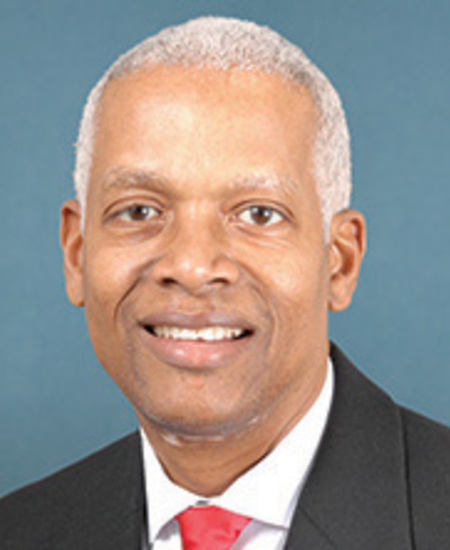
Rep. Henry C. "Hank" Johnson, Jr.
Sponsored bills
Maddy summaryThe Find Our Families Act of 2026 requires the Department of Homeland Security to create a public online system that allows families to locate individuals detained by Customs and Border Protection or Immigration and Customs Enforcement. This system must provide search results within eight hours of detention, display information in multiple languages, and include specific details such as names, dates of birth, and facility locations, while excluding data for minors. The bill also mandates that families be notified within five hours if a detainee is transferred for medical care and establishes new reporting requirements for CBP arrests, including details on the circumstances of the arrest and the number of agents involved. Additionally, the legislation creates a process for families to report errors in detainee information and imposes penalties on employees or contractors who fail to comply with these data-sharing and reporting obligations.
Maddy summaryThe Extreme Temperatures Injustice in Prisons Act of 2026 requires the Bureau of Prisons to upgrade heating, ventilation, and air conditioning systems in all correctional facilities and install temperature monitoring devices in every occupied space. The bill mandates the creation of written standards to prevent heat and cold stress, provides free cooling and heating supplies to inmates during dangerous weather, and establishes specific protective rules for medically vulnerable populations. Additionally, the legislation requires regular reports to Congress on system costs and temperature-related illnesses, while authorizing funding through fiscal year 2031 to support these safety improvements.
Maddy summaryThis bill redesignates the Ocmulgee Mounds National Historical Park as the Ocmulgee Mounds National Park within the National Park System. It establishes specific protections for traditional cultural and religious sites, ensuring access for tribes with ancestral connections to the area, and requires the park manager to consult with Indian tribes on management issues. The legislation also authorizes fishing on park waters under state and federal laws while allowing the Secretary to create safety zones where fishing is restricted. Additionally, the bill mandates that approximately 134 acres of land held by the Muscogee (Creek) Nation be placed into federal trust for the tribe, provided the land is not used for gambling.
Maddy summaryHRES 1405 is a non-binding resolution that encourages the U.S. House of Representatives to recognize June as LGBTQIA+ Pride Month. The document acknowledges the historical significance of events like the Stonewall Inn uprising and highlights the ongoing struggle for equality faced by lesbian, gay, bisexual, transgender, queer, intersex, and asexual individuals. It includes a detailed list of historical milestones and legislative achievements related to LGBTQIA+ rights to provide context for the celebration. Because this measure is a resolution of recognition rather than a law, it does not create new legal obligations or change federal policy.
Maddy summaryThis resolution expresses the House of Representatives' support for the goals of Alzheimer's and Brain Awareness Month, which takes place in June. It aims to raise public awareness about Alzheimer's disease and other forms of dementia while encouraging individuals to educate themselves and advocate for better research and care services. The document highlights the significant impact of these conditions on millions of Americans and calls for increased support for patients, their families, and caregivers.
Maddy summaryThe Community Housing Act of 2026 aims to increase the supply and affordability of housing by directing significant new federal funding to programs like the Housing Trust Fund and the Capital Magnet Fund. It establishes a new Office of Community Land Use and Zoning within HUD to help states and localities reform restrictive zoning laws that limit housing development. The bill also expands financial support for rural areas, creates a new fund to promote shared equity and community land trusts, and removes a legal cap on the number of public housing units agencies can manage. Additionally, it provides grants to protect tenants from eviction and authorizes low-cost financing options for affordable housing projects.
Maddy summaryThe Residential Recovery for Seniors Act expands Medicare coverage to include three specific levels of residential treatment for substance use disorders: clinically managed low-intensity, clinically managed high-intensity, and medically managed services. To qualify for this coverage, facilities must meet strict standards regarding staffing, clinical assessments, and adherence to evidence-based criteria developed by recognized medical associations. The bill also establishes a new payment system that reimburses these facilities on a per-day basis, starting in fiscal year 2027, with rates initially set to cover 100% of their estimated costs.
Maddy summaryThe LIFT the BAR Act aims to restore access to federal benefits for lawfully present noncitizens by repealing several restrictions imposed by the 1996 welfare reform law and a 2024 reconciliation bill. Specifically, it would allow eligible noncitizens to receive SNAP food assistance, Medicaid, CHIP, and child nutrition programs, while also updating legal terminology to refer to "noncitizens" rather than "aliens" in relevant statutes. The legislation includes provisions to ensure these individuals can qualify for premium tax credits and would require federal agencies to issue implementation guidance within 180 days of enactment.
Maddy summaryThis bill, titled the Encouraging Public Service in Our National Parks and Public Land Act, requires the Secretary of the Interior to make specific federal recreational lands and waters free of admission fees on designated dates throughout the year. The key provision mandates that these free access days include Martin Luther King Jr. Day, the first day of National Park Week, Juneteenth, Great American Outdoors Day, National Public Lands Day, and Veterans Day. Additionally, the legislation grants the Secretary the authority to establish extra fee-free days beyond those listed. These changes directly affect visitors to national parks and other federal recreational areas by providing them with guaranteed free entry on these holidays and observances.