

Maddy summaryThe Read for Reentry Act of 2026 directs the Comptroller General of the United States to conduct a study on library services within state and federal prisons. This report will examine who currently has access to these services, how they are funded, and the demographic characteristics of incarcerated individuals who use them. The study will also analyze specific outcomes related to recidivism, parole compliance, workforce placement, and disciplinary infractions for those released from facilities offering library programs. Ultimately, the bill aims to gather data to inform Congress about the current state and impact of prison libraries.
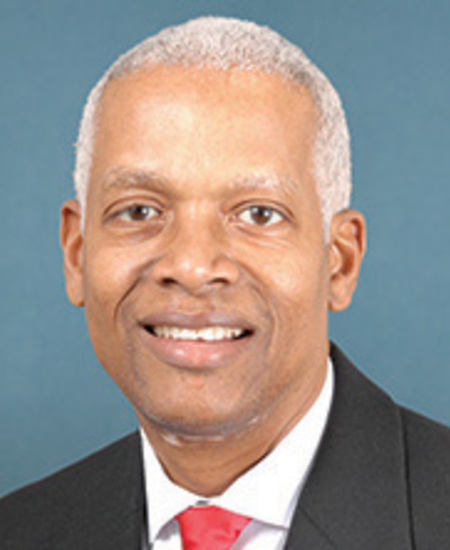
Rep. Henry C. "Hank" Johnson, Jr.
Sponsored bills
Maddy summaryThis resolution expresses support for designating July as Disability Pride Month to honor the contributions of the approximately 70 million American adults and over 3 million children with disabilities. The bill calls on individuals, interest groups, and organizations across the United States to observe the month with celebrations and activities that promote inclusion. Additionally, it urges everyone to actively work against the exclusion and discrimination that people with disabilities often face. While the measure does not create new laws or funding, it serves as an official statement of recognition and encouragement for community engagement during this time.
Maddy summaryThis resolution formally recognizes July 28, 2026, as World Hepatitis Day to raise awareness about the global impact of hepatitis B and C. It highlights the urgent need to address these viral infections, which cause significant liver disease and death worldwide and in the United States. The bill calls for increased public education, expanded access to vaccines and treatments, and stronger collaboration between federal and local health agencies to eliminate new infections.
Maddy summaryThe Temporary Protected Status Review Act restores the ability of courts to review decisions by the Department of Homeland Security to end Temporary Protected Status (TPS) designations for foreign nationals. Under this bill, the government must publish detailed written findings explaining why a country no longer qualifies for TPS protection, and these decisions would be subject to a legal challenge in federal court. If a TPS designation is terminated, the affected individuals would remain in the United States with their current status and work authorization intact while the legal challenge is pending. Additionally, the legislation requires the government to follow specific administrative procedures, such as considering all available evidence and avoiding bias, before making any termination decisions.
Maddy summaryThis bill establishes federal protections and funding to expand access to in vitro fertilization and intrauterine insemination for individuals, military service members, and veterans. It requires most private health plans, Medicaid programs, and Medicare to cover these fertility treatments without imposing higher cost-sharing than other medical services. Additionally, the legislation mandates that the Department of Defense and the Department of Veterans Affairs provide specific fertility preservation and treatment benefits to uniformed service members and eligible veterans. The bill also includes preemption clauses that override state laws restricting these procedures and prohibits discrimination based on marital status, sex, or sexual orientation in the provision of care.
Maddy summaryThe Transportation for Reentry Act requires transit agencies receiving federal funding to offer free public transportation to individuals released from prison after serving at least one year. Under this bill, these agencies must provide the service for one year starting from the person's release date and cover costs related to program setup, staff training, and outreach. To receive federal grants, transit recipients must establish enrollment systems, track usage data, and ensure compliance with the program's duration requirements. The legislation authorizes $40 million annually from 2027 to 2031 to support these efforts and mandates a final report on the program's impact five years after enactment.
Maddy summaryThe Daycare Not Detentions Act of 2026 provides additional funding to the Department of Health and Human Services to support child care programs, including the Child Care and Development Block Grant, Head Start, and preschool development grants. These funds are intended to help states and organizations cover necessary expenses for these programs through fiscal year 2029. The bill also rescinds $70 billion in previously allocated money for U.S. Customs and Border Protection and U.S. Immigration and Customs Enforcement that has not yet been spent. Overall, the legislation redirects federal resources toward early childhood education and care rather than immigration enforcement activities.
Maddy summaryThis resolution condemns all forms of hate, including racism, antisemitism, transphobia, and xenophobia, while highlighting recent statistics on hate crimes affecting various communities. It calls for comprehensive federal and state policies to prevent hate crimes through education and intervention, as well as support for victims through legal aid and mental health resources. The measure also advocates for funding programs that are culturally accessible to vulnerable groups, such as immigrants and LGBTQIA+ individuals, and reaffirms the government's commitment to maintaining an inclusive democracy.
Maddy summaryThe Polling Place Standards Act requires states to establish at least one voting location for every 2,000 registered voters before federal elections, ensuring these sites are spread across diverse geographic areas rather than concentrated in specific regions. This law mandates that each polling place be adequately staffed to handle ballot processing, maintain security, and accommodate accessibility needs while keeping voter wait times at 30 minutes or less. States that allow voters to cast ballots via drop boxes or mail-in methods are exempt from these physical location requirements. To help states meet these new standards, the bill creates a federal grant program to provide funding for implementing the necessary changes.
Maddy summaryThis bill expands federal election laws to prevent foreign nationals from influencing U.S. elections by tightening restrictions on domestic companies with significant foreign ownership or control. It requires businesses that are at least 50% owned by foreign individuals, or those with specific foreign influence, to file a sworn certification proving they are not foreign-controlled before making any political donations or spending money on election activities. Additionally, the law clarifies that these rules apply to state and local ballot initiatives and mandates that corporate political action funds certify their managers and board members are U.S. citizens or permanent residents. The legislation also prohibits recipients of funds from these businesses from using the money for further political contributions unless they receive and verify the required compliance certification.