

Maddy summaryHR 5895 amends the Higher Education Act to allow historically Black colleges and universities (HBCUs) to use existing grant funds for specific arts-related activities. The bill adds new provisions enabling HBCUs to provide financial assistance to arts students, establish arts outreach programs, offer wraparound student services (like mentorship and career advising), maintain Black art collections, and create paid arts internships through partnerships. This directly affects HBCUs by expanding how they can allocate current funding to strengthen their arts programs and support Black artists. The key mechanism is modifying Section 323 of the Higher Education Act to include these new uses, with optional partnerships with the National Endowment for the Arts.
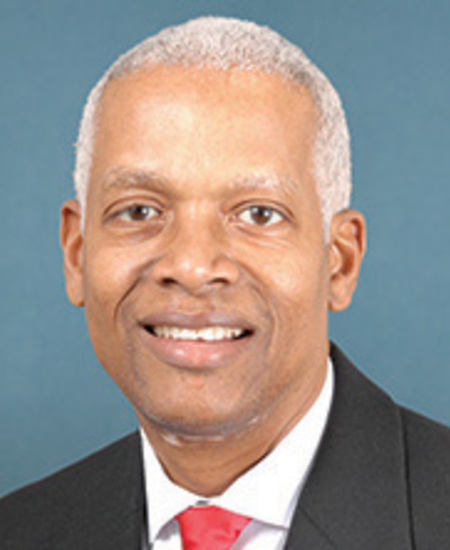
Rep. Henry C. "Hank" Johnson, Jr.
Sponsored bills
Maddy summaryHRES 754 is a symbolic House resolution recognizing the heritage, culture, and contributions of Latinas in the United States. It highlights Latinas' roles in business (owning over 2 million businesses), military service (45,710 active duty), arts (Oscar-winning artists like Rita Moreno), and public service, while noting persistent challenges like the 57-cent pay gap. The resolution does not create new laws or policies but formally honors these contributions and acknowledges the need for further progress toward equality. It was introduced by multiple representatives and referred to the Committee on Oversight and Accountability.
Maddy summaryHCONRES 68 is a symbolic resolution expressing the House of Representatives' support for recognizing September 26, 2023, as "World Contraception Day." It states the House's "sense" that Congress and the Administration should work to improve universal, affordable access to contraception for all people who may become pregnant, both domestically and globally. The resolution calls for evidence-based policies to address disparities in access, expand comprehensive sex education, and support programs like Title X family planning services, without creating new laws or funding. It directly affects all individuals seeking reproductive health care, particularly those facing barriers due to race, income, location, or gender identity. The resolution does not mandate action but outlines policy priorities for future consideration.
Maddy summaryHRES 751 is a non-binding resolution designating October 1, 2023, as "National Animal Rescue Day" to raise public awareness about animal adoption and spaying/neutering. It directly supports animal shelters, rescue organizations, and the public by encouraging adoption events, educational activities, and charitable support on that date. The resolution aims to reduce shelter overcrowding and euthanasia rates by promoting adoption and responsible pet ownership through nationwide observance. It does not create new laws or funding but expresses congressional support for existing animal rescue efforts.
Maddy summaryThis resolution designates the week of September 25-29, 2023, as "National Clean Energy Week" to recognize the growing role of clean energy in the U.S. economy. It expresses support for clean energy jobs and innovation, noting the sector employed about 8.1 million people in 2022. The resolution encourages federal, state, and local investment in affordable clean energy technologies and promotes "commonsense solutions" for energy needs. As a symbolic gesture, it has no legal force or funding implications - it simply urges recognition of clean energy's economic and environmental contributions.
Maddy summaryHR 5667, the Pay Our Military Act, ensures continued pay and allowances for active-duty military members, reservists, Department of Defense civilians, and qualifying contractors during any government funding gap in fiscal year 2024. It appropriates funds from the Treasury to cover these payments if regular appropriations bills aren't passed before the end of the fiscal year. The funding automatically terminates once regular appropriations are enacted or by January 1, 2025, whichever comes first.
Maddy summaryThe Feed Our Families Act of 2023 ensures SNAP (Supplemental Nutrition Assistance Program) benefits continue for 90 days during the first government shutdown in any fiscal year after 2023. It appropriates emergency funds from the Treasury to cover SNAP operations without requiring new congressional approval during this period. The funds are held in reserve and used solely for SNAP program needs, such as food assistance payments. This directly affects low-income households relying on SNAP for food security during funding gaps.
Maddy summaryThis bill replaces "Columbus Day" with "Indigenous Peoples’ Day" as the official federal holiday observed on the second Monday in October. It directly affects federal government operations and all federal documents, rules, or laws that previously referenced "Columbus Day" by automatically updating those references to "Indigenous Peoples’ Day" upon enactment. The key mechanism is a simple amendment to federal law (5 U.S.C. § 6103(a)) to change the holiday name and a provision ensuring all existing federal references to Columbus Day are legally treated as referring to Indigenous Peoples’ Day instead. This is a procedural change to federal holidays and references, not a new policy or program.
Maddy summaryHR 5797, the Protecting Immigrants From Legal Exploitation Act of 2023, targets fraud in immigration services by imposing criminal penalties on individuals who falsely claim legal authority or defraud immigrants. It makes it a federal offense to execute schemes involving false promises about immigration services (up to 10 years in prison) or falsely represent oneself as an attorney (up to 15 years), requiring full reimbursement to victims. The bill mandates that immigration service providers (non-lawyers charging fees) identify themselves and disclose fees when assisting applicants, and allows immigrants to withdraw fraudulent applications without penalty. It also requires government agencies to create outreach programs educating immigrants on legitimate legal services and establish procedures for corrected filings.
Maddy summaryThis bill requires websites and applications used by public entities, businesses, and employers to be accessible to people with disabilities. It directs the Department of Justice and Equal Employment Opportunity Commission to establish accessibility standards within 24 months, with special consideration for small businesses. The law defines accessibility as websites that are perceivable, operable, understandable, and robust for people with disabilities. It also creates a technical assistance center to help entities comply and provides grants to small businesses to fix inaccessible websites. The bill aims to ensure equal digital access for people with disabilities, building on existing ADA protections.