

Maddy summaryHRES 768 is a symbolic House Resolution expressing congressional support for Israel following Hamas' October 7, 2023 attacks. It condemns Hamas' actions, reaffirms Israel's right to self-defense, and calls for the immediate release of hostages. The resolution references the U.S. commitment to Israel's security through existing military aid programs, including the 2016 U.S.-Israel Memorandum of Understanding, and emphasizes enforcement of laws like the Taylor Force Act to prevent U.S. aid from reaching terrorist groups. As a symbolic resolution, it does not create new policy but serves as a statement of congressional support for Israel.
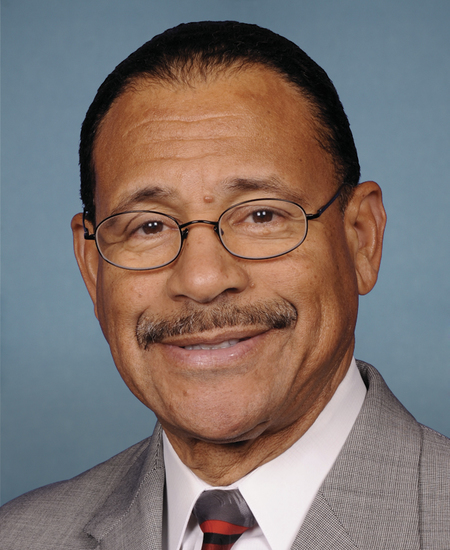
Rep. Sanford D. Bishop, Jr.
Sponsored bills
Maddy summaryThis bill authorizes a one-time $40,000 payment to former Air America employees who served at least five years during 1950-1976, or to their survivors (widows/widowers, dependents, or children). Additional $8,000 payments are provided for each full year of service beyond five years. The total funding is capped at $60 million, with claims due within two years of regulations being finalized. It does not create ongoing benefits or change Air America’s legal status, and payments are issued as a single lump sum.
Maddy summaryThe Safe Schools Improvement Act (HR 6031) requires public elementary and secondary schools to implement comprehensive anti-bullying policies that specifically prohibit harassment based on protected characteristics like race, gender identity, disability, religion, and sexual orientation. It mandates schools to collect and publicly report annual data on bullying incidents while establishing clear grievance procedures for students and parents. The bill also requires states to submit biennial reports on school compliance and supports evidence-based interventions, such as restorative practices, to reduce exclusionary discipline. This legislation directly affects all public K-12 schools and students in the U.S., aiming to create safer learning environments through standardized policy requirements and data transparency.
Maddy summaryThis bill authorizes the presentation of a Congressional Gold Medal to the United Negro College Fund (UNCF) and its member Historically Black Colleges and Universities (HBCUs) to recognize the UNCF's 80-year service. It directs the U.S. Treasury to strike the medal and sell bronze duplicates to cover costs, with proceeds going to the U.S. Mint. The medal commemorates the UNCF's role in supporting HBCUs and African-American students through scholarships and fundraising, as detailed in the bill's findings. The measure is purely ceremonial and does not create new policy or funding.
Maddy summaryThis bill requires websites and applications used by public entities, businesses, and employers to be accessible to people with disabilities. It directs the Department of Justice and Equal Employment Opportunity Commission to establish accessibility standards within 24 months, with special consideration for small businesses. The law defines accessibility as websites that are perceivable, operable, understandable, and robust for people with disabilities. It also creates a technical assistance center to help entities comply and provides grants to small businesses to fix inaccessible websites. The bill aims to ensure equal digital access for people with disabilities, building on existing ADA protections.
Maddy summaryThe WIC for Kids Act expands eligibility for the Special Supplemental Nutrition Program for Women, Infants, and Children (WIC) by adding new qualifying pathways. It allows children to qualify if they live in households where someone receives Head Start, Indian reservation food assistance, or Puerto Rico/Northern Mariana Islands nutrition block grants, and streamlines documentation by permitting states to use existing records. The bill extends certification periods for children from one to two years and automatically enrolls infants born to current WIC participants. This directly affects low-income families with children who qualify for related assistance programs but previously faced barriers to WIC access.
This concurrent resolution (1) recognizes the 133 years of significant and meaningful contributions the 1890 Institutions (i.e., historically Black universities established under the Second Morrill Act of 1890) have made to the United States, (2) supports the efforts of the Department of Agriculture and other federal agencies to build stronger partnerships with such institutions, and (3) commits to working in a bipartisan way to address the past funding and program inequities of such institutions.
Maddy summaryHRES 708 is a symbolic resolution designating the week of September 18-23, 2023, as "Malnutrition Awareness Week." It does not create new laws or funding but formally recognizes malnutrition as a significant issue affecting vulnerable groups, including children (particularly Black children, who are nearly 3 times more likely to experience food insecurity), older adults (up to 50% at risk), and hospitalized patients. The resolution supports existing federal programs like the Older Americans Act and school nutrition initiatives, while acknowledging the high costs of malnutrition (e.g., $51 billion annually for older adults) and urging access to screening and nutrition counseling. It primarily aims to raise public awareness and honor professionals working on malnutrition prevention.
Maddy summaryHR 5704, the Protecting Student Athletes From Concussions Act, requires states to certify that public schools have concussion safety plans by 2025. These plans mandate schools to: (1) immediately remove students showing concussion symptoms from activities and require a doctor's written clearance before returning to sports; (2) provide academic accommodations like modified assignments during recovery; (3) post science-based concussion information visibly at schools; and (4) develop concussion management teams including medical professionals and parents. The bill directly affects all public K-12 schools, student athletes, parents, and school staff by standardizing concussion response and recovery support. It aims to ensure consistent safety protocols, academic support, and medical oversight for student athletes across all school-sponsored activities.
Maddy summaryThis bill extends the funding period for the Distance Learning and Telemedicine Program from 2023 to 2028. It directly affects rural communities by ensuring continued access to telehealth services and educational programs through this existing federal initiative. The key provision is a simple amendment to the program's authorization date in existing law, without creating new requirements or altering the program's scope. The change ensures uninterrupted support for rural healthcare and education providers relying on this funding.