

Maddy summaryThis bill adds Medicare coverage for multi-cancer early detection screening tests (blood or biological tests analyzing cell-free DNA) starting January 1, 2028. It directly affects Medicare beneficiaries aged 68 and older (starting in 2028, with the age limit increasing by 1 year annually), requiring tests to be FDA-cleared and deemed reasonable/necessary by the Secretary for early cancer detection across multiple organ sites. Payment will initially match current stool DNA test rates before 2031, then shift to a lower rate or new payment system after 2031, with limits preventing more than one test per year. The bill explicitly states it does not alter coverage for existing cancer screenings like breast, colorectal, or prostate cancer tests.
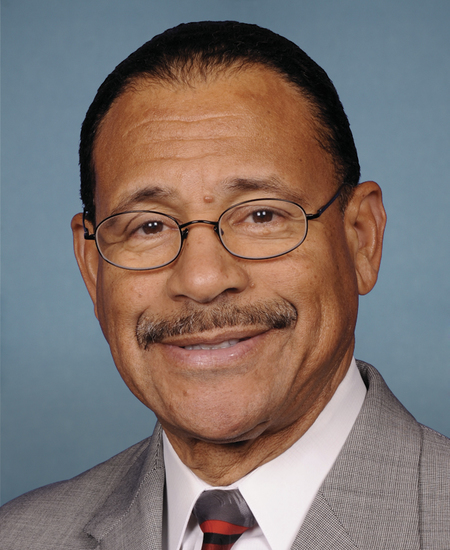
Rep. Sanford D. Bishop, Jr.
Sponsored bills
Maddy summaryHRES 781 is a symbolic resolution designating October 1, 2025, as "National Animal Rescue Day" to raise public awareness about animal adoption and spaying/neutering. It does not create new laws or allocate funds but encourages nationwide events like adoption drives and educational campaigns to support shelters and reduce pet overpopulation. The resolution directly aims to benefit animal shelters, rescue organizations, and potential adopters by promoting the importance of adopting pets and responsible pet ownership. As a non-binding gesture, it focuses on awareness rather than policy change.
Maddy summaryHR 5655, the "No Shame at School Act of 2025," requires schools to eliminate stigma around unpaid meal fees for students. It mandates that school districts automatically certify eligible students for free/reduced meals (replacing "may" with "shall"), prohibits physical segregation or public identification of students with unpaid fees (like special tokens or name lists), and bans withholding grades or activities due to meal debt. The bill also prevents schools from using debt collectors for meal fees and requires adjustments to past meal claims when eligibility is later confirmed. This directly affects schools, local educational agencies, and students from households with outstanding meal fees.
Maddy summaryThis bill requires home medical devices like blood pressure monitors and sleep apnea machines to include nonvisual accessibility features (such as screen readers or audio feedback) so blind or low-vision users can operate them independently and safely. It sets a standard that devices must be as effective for these users as for sighted individuals, applying to Class II/III devices cleared under FDA's 510(k) process for home use. The FDA must issue proposed regulations within one year and final rules within two years of enactment, with manufacturers needing to comply one year after the final rule takes effect. Devices may qualify for waivers only if compliance would cause a "fundamental alteration" or "undue hardship" for the manufacturer, though the bill emphasizes accessibility can often be integrated without extra cost during design.
Maddy summaryThis resolution condemns the use of federal regulatory agencies (like the FCC) or lawsuits to suppress lawful speech critical of political parties or the President, specifically referencing concerns about tactics mirroring authoritarian practices. It does not create new laws but formally warns that such actions undermine First Amendment protections and democratic norms. The resolution directly affects media organizations, journalists, and public discourse by calling on government agencies to avoid using their power for political retaliation. It reaffirms the House’s commitment to protecting free expression and urges officials to refrain from pressuring media to silence criticism.
Maddy summaryThis bill authorizes the posthumous presentation of a Congressional Gold Medal to Welles Remy Crowther, a volunteer firefighter and equities trader who died saving others during the September 11, 2001, attacks. The medal, designed by the Treasury Secretary, will be given to Crowther’s mother, Alison Crowther, following a formal presentation by congressional leaders. The bill also permits the U.S. Mint to sell bronze duplicates of the medal at cost to cover production expenses. It is a purely commemorative measure with no legislative or regulatory impact.
Maddy summaryThis bill requires health plans and insurers to create a clear, timely process for patients or doctors to request exceptions when step therapy protocols (which force patients to try cheaper drugs first) might harm them. It mandates approval for exceptions in six specific cases, such as when prior treatments failed, delaying care risks severe harm, or the required drug causes adverse reactions. Plans must respond within 72 hours (24 hours for emergencies) and cover the requested drug for at least one year if approved. Additionally, health plans must report annual data on exception requests, approvals, denials, and reasons to the government for transparency.
Maddy summaryHRES 746 is a non-binding resolution passed by the U.S. House of Representatives condemning all political violence - including attacks on elected officials, candidates, and public figures - and rejecting rhetoric that dehumanizes opponents. It specifically urges law enforcement to investigate and prosecute such violence, calls on public officials and media to avoid inflammatory language, and references recent incidents like the 2025 assassination of activist Charlie Kirk and targeted shootings of Minnesota legislators. The resolution does not create new laws but formally expresses the House’s commitment to protecting public servants and promoting peaceful political discourse. It directly affects the House’s public stance and serves as a call to action for officials, media, and communities to foster civil engagement.
Maddy summaryThis bill allocates $5 million annually (2026-2030) to states for collecting de-identified stillbirth data through existing health systems, including risk factor analysis. It also provides $1 million yearly to develop standardized guidelines for healthcare providers and public educational materials about stillbirths, requiring consultation with medical professionals, bereavement organizations, and affected families. The bill mandates that all data collection complies with privacy laws and requires the Department of Health and Human Services to publish a public report on stillbirth guidelines within five years. It directly affects state health departments, healthcare providers, and families experiencing stillbirth by improving data quality and access to resources.
Maddy summaryHR 5476, the PARA Educators Act, provides federal grants to states to help recruit and retain school support staff (paraprofessionals) in public elementary, secondary, and preschool programs. It allocates funds based on previous Title I education funding, requiring states to prioritize schools serving high numbers of low-income students or those meeting specific poverty criteria. States can use the funds for proven programs like mentoring for paraprofessionals, professional development, helping staff earn credentials (e.g., special education or English learner certificates), and increasing wages or offering retention bonuses. The law mandates annual reporting on wage baselines, paraprofessional employment, and program outcomes. This bill directly affects paraprofessionals and the schools they support, particularly in high-poverty communities.