

Maddy summaryHR 1435, the Preserving Choice in Vehicle Purchases Act, amends the Clean Air Act to restrict states from implementing vehicle emissions rules that limit the sale or use of new gasoline-powered cars. It directly affects states with stricter emissions standards (like California) by adding a new definition that blocks state rules "directly or indirectly" limiting internal combustion engine vehicles as defined in federal regulations as of January 1, 2023. The bill requires the EPA to revoke existing state emissions waivers granted between January 2022 and the bill’s enactment if they don’t comply with this new definition. This creates a concrete federal standard preventing states from advancing policies that could reduce demand for conventional vehicles.
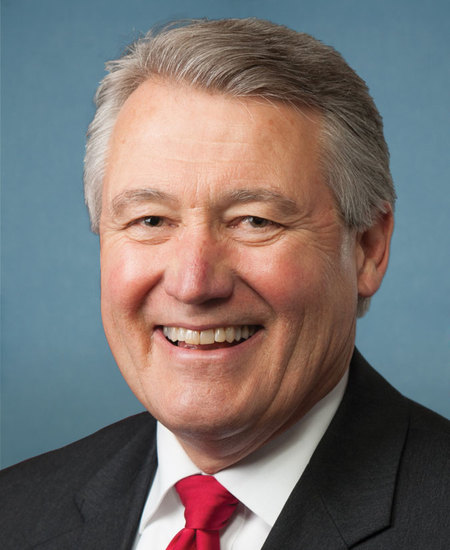
Rep. Rick W. Allen
Sponsored bills
Maddy summaryHR 5513 clarifies how to determine if a worker is an employee or independent contractor under federal labor law. It adds specific criteria: a worker is an independent contractor if the company doesn’t control *how* work is done (only the result) and the worker has entrepreneurial risks like business decision-making. The bill explicitly prohibits using factors like requiring safety standards, insurance, or meeting deadlines to classify someone as an employee. This affects workers and companies across industries who currently use independent contractor arrangements, particularly impacting minimum wage protections under the Fair Labor Standards Act and union representation rights under the National Labor Relations Act.
This resolution honors and recognizes the patriotism and contributions made by generations of veterans service organizations, veteran advocacy groups, and volunteers and commends the members of such organizations for their dedicated service to members of the Armed Forces, veterans, their families, and their communities. The resolution also encourages the people of the United States to promote awareness of the contributions and dedication of members of veterans service, organizations, veteran advocacy groups, and volunteers to members of the Armed Forces, veterans, and their families. Additionally, the resolution calls on citizens to follow the example of such groups and volunteer support and services to those who have served the country.
This resolution condemns Iran for the 1988 massacre of political prisoners. It also urges the Biden Administration and U.S. allies to publicly condemn the massacre and to pressure Iran to provide information to the families of the victims.
Maddy summaryHR 5053, the Wage Equity Act of 2023, prohibits employers from using an applicant's past salary to set pay or requiring disclosure of wage history, aiming to prevent gender-based pay discrimination. It requires employers to conduct voluntary job and wage analysis audits to identify and address pay disparities based on sex, with legal protections for those who complete audits in good faith. The bill also bans employers from restricting employees' discussions about wages or retaliating against those who discuss pay or request explanations for pay differences. These provisions directly affect employers nationwide and employees, particularly women, by promoting transparency and addressing systemic pay gaps.
Maddy summaryThis bill directs the U.S. Treasury to mint commemorative coins marking the Marine Corps' 250th anniversary in 2025. It authorizes three coin types: $5 gold coins (max 50,000), $1 silver coins (max 400,000), and half-dollar coins (max 750,000), with surcharges of $35, $10, and $5 respectively. The surcharge proceeds will fund the Marine Corps Heritage Center's educational programs, with no net cost to taxpayers as the Treasury must recover all minting costs through the surcharges. The coins can only be issued during 2025, and the Treasury must ensure all costs are covered before distributing funds to the Heritage Foundation.
Maddy summaryHR 4721, the Main Street Tax Certainty Act, makes a permanent the 20% tax deduction for eligible small business owners under Section 199A of the tax code. This provision directly affects pass-through business owners (like S-corps, partnerships, and sole proprietorships) who qualify for the deduction. The bill achieves this by removing the temporary expiration language (subsection (i)) from the existing tax code provision. The key change is ending the need for annual congressional extensions of this deduction, providing long-term tax certainty for small businesses.
Maddy summaryThe ACE Act changes how federal education grants are calculated to better support schools in high-poverty areas. It phases out a current system that favored larger school districts by shifting to a formula based solely on the percentage of students from low-income families, starting in 2024. This directly benefits smaller school districts with high concentrations of economically disadvantaged students that were previously disadvantaged under the old dual-weighting system. The change aims to align funding more closely with congressional intent to direct more resources to schools serving the most economically disadvantaged students.
Maddy summaryHR 813, the Global Investment in American Jobs Act of 2023, requires the Secretary of Commerce to conduct a comprehensive review of U.S. competitiveness in attracting foreign business investments from "trusted countries" (those not deemed adversaries by the U.S.). The review will examine economic impacts, barriers like data localization and intellectual property issues, and address concerns about investments linked to the Chinese Communist Party, while focusing on sectors like technology and manufacturing. This procedural bill does not create new laws but mandates a report to Congress within one year, detailing findings and recommendations to improve the U.S. investment climate. It directly affects U.S. economic competitiveness, foreign investors from allied nations, and policies governing international business engagement. The review explicitly excludes matters handled by the Committee on Foreign Investment in the United States.
Protecting Kids from Fentanyl Act of 2023 This bill permits the use of the Preventive Health and Health Services Block Grant to address fentanyl in educational institutions. Specifically, grant funds may be used to (1) purchase naloxone or other opioid overdose reversal drugs for educational institutions, (2) train school nurses and other personnel on how to administer them, and (3) provide fentanyl awareness classes or materials to students.