

Maddy summaryHR 1267, the Water Systems PFAS Liability Protection Act, exempts certain water and wastewater treatment facilities from liability under the federal environmental cleanup law (CERCLA) for releases of specific PFAS chemicals. It directly affects public water systems, wastewater treatment plants, municipalities with stormwater permits, and their contractors who handle PFAS while following all applicable laws. The exemption applies only if facilities manage PFAS in compliance with existing federal or state water quality rules, such as through proper biosolids disposal or treated water discharge under permits. However, the bill does not protect facilities that act with gross negligence or willful misconduct in handling PFAS. This law changes liability rules for water systems but does not alter PFAS regulation standards.
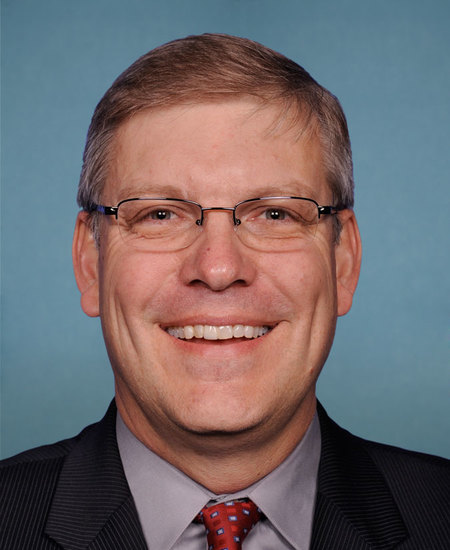
Rep. Barry Loudermilk
Sponsored bills
Maddy summaryHR 692, the China Exchange Rate Transparency Act of 2025, requires the U.S. Treasury Secretary to direct the U.S. representative at the International Monetary Fund (IMF) to advocate for greater transparency from China regarding its exchange rate policies. Specifically, it mandates advocating for China to disclose more details about its currency management, including how its policies align with other major economies used in the IMF’s currency basket. The law expires 30 days after China meets specific transparency standards (as reported by the U.S. IMF representative) or 7 years after enactment, whichever comes first. This bill directly affects China’s engagement with the IMF and the U.S. Treasury’s role in international financial oversight.
Maddy summaryThe Laken Riley Act expands mandatory detention for immigrants convicted of certain property crimes like burglary, theft, or shoplifting by adding these offenses to existing immigration detention criteria. It requires the federal government to issue detainers for such individuals and take custody if not detained by local authorities. The bill also grants state attorneys general standing to sue federal officials in federal court if they believe immigration enforcement actions (like releasing detained immigrants) cause the state financial harm exceeding $100. This creates new legal pathways for states to challenge federal immigration decisions through expedited lawsuits.
Maddy summaryThis bill expands 529 college savings account flexibility by allowing funds to cover costs for industry-recognized postsecondary credentials, not just traditional degrees. It defines "qualified expenses" to include tuition/fees for recognized credential programs (like certifications or apprenticeships), required testing fees, and continuing education needed to maintain credentials. To qualify, programs must meet specific criteria, such as appearing on state lists under the Workforce Innovation and Opportunity Act or being listed in VA or Defense directories. The change applies to 529 distributions made after the law's enactment, giving families more options to use these accounts for job-focused training.
Maddy summaryHR 1046, the Marc Fischer Memorial Act, requires the Bureau of Prisons to implement digital mail scanning technology at all federal prisons to detect fentanyl and other synthetic drugs in inmate mail. It mandates a strategy within 90 days of an evaluation, including 100% scanning of all mail, digital copies of mail to inmates within 24 hours, and physical mail delivery within 30 days for non-contaminated items. The bill directly affects federal prison staff, inmates, and the Bureau of Prisons by aiming to reduce drug-related overdoses and alleviate staff workload tied to mail processing. Implementation must be completed within three years, with annual reports tracking detected drugs and strategy efficiency. The legislation focuses on concrete technological and procedural changes to enhance safety, referencing a successful pilot program at two facilities.
Maddy summaryHR 735, the United States Reciprocal Trade Act, would give the President authority to impose tariffs on imports from countries that maintain higher tariffs on U.S. goods than the U.S. imposes on their goods, or that apply significant nontariff barriers. The bill requires the President to consider multiple factors before taking action, including tariff classifications, trade impacts, and competitive relationships, and mandates consultation with Congress before imposing new tariffs. It establishes a 3-year timeframe for these tariff actions with a potential 3-year extension, while providing Congress with a process to disapprove tariffs through a joint resolution requiring a two-thirds vote. The law aims to address perceived trade imbalances by promoting reciprocal trade practices between the U.S. and its trading partners.
Maddy summaryHR 723, the Protect American Election Administration Act of 2025, prohibits states from accepting or using funds, property, or services from private entities for administering federal elections. This directly affects state election offices, which would no longer be allowed to take private donations for activities like voter education, outreach, or registration. The bill includes an exception allowing states to accept private donations of physical space for polling places or early voting sites. It amends the Help America Vote Act of 2002 to add this prohibition, effective for federal elections after the law's enactment.
Life at Conception Act This bill declares that the right to life guaranteed by the Constitution is vested in each human being at all stages of life, including the moment of fertilization, cloning, or other moment at which an individual comes into being. Nothing in this bill shall be construed to authorize the prosecution of any woman for the death of her unborn child.
Maddy summaryHR 21, the Born-Alive Abortion Survivors Protection Act, requires medical staff at abortion facilities to provide the same immediate care and hospital admission to any infant born alive during an abortion as they would for any newborn. It mandates reporting failures to provide this care to law enforcement and imposes penalties of up to 5 years in prison for violations, with harsher penalties for intentional killing. The bill also allows women who undergo abortions to sue for civil damages, including triple the abortion cost, and provides for attorney fees. It defines "abortion" to exclude procedures performed after viability to preserve a live birth. This law directly affects healthcare providers at abortion facilities and creates new federal legal obligations for them.
Maddy summaryThe MERIT Act of 2025 makes significant changes to federal personnel management by repealing Chapter 43 performance-based actions and modifying procedures for disciplinary actions, furloughs, and bonus recoupment. It extends probationary periods for senior executives (to 2 years) and competitive service employees (to 2 years), establishes new rules for reducing retirement benefits of employees convicted of felonies related to their federal service, and creates standardized procedures for adverse actions including written notice requirements and response periods. The bill also allows agencies to recoup bonuses for misconduct and modifies procedures for handling furloughs of more than 14 days. These changes apply to all federal employees across government agencies and aim to clarify and streamline personnel management processes.