

Maddy summaryThis resolution formally recognizes the 100th anniversary of Booker T. Washington High School in Atlanta, which opened in 1924 as the city's first public high school for Black students. It honors the Atlanta Black community's decades-long advocacy - including successful voter mobilization and school bond referendums - that led to the school's construction after years of systemic barriers to Black education. The resolution celebrates the school's historical significance, its role as a cultural cornerstone, and the achievements of its notable alumni. As a ceremonial resolution, it does not create new laws or policies.
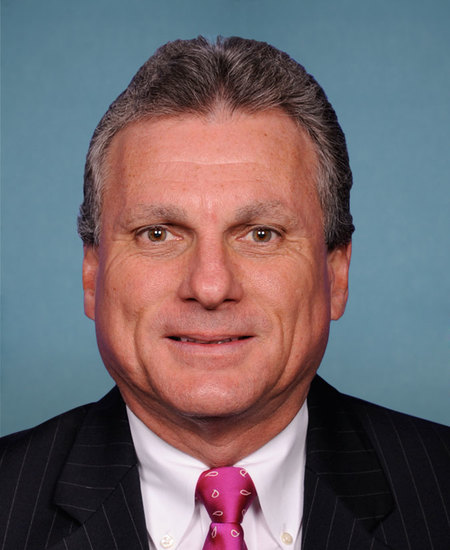
Rep. Earl L. "Buddy" Carter
Sponsored bills
Maddy summaryThis bill amends the Clean Air Act to modify ethanol waiver processes and fuel volatility standards. It adds a new provision allowing fuel to enter commerce if it meets Reid Vapor Pressure requirements through similarity to certified vehicles or existing waivers, and adjusts vapor pressure limits from 10% to 10-15% in several sections. Small refineries that retired credits for 2016-2018 compliance years may now have those credits returned or applied to future years if their petitions remained pending as of December 1, 2022. The changes directly affect fuel retailers, ethanol producers, and small refineries by altering compliance pathways for fuel standards and credit management under the renewable fuel program.
Maddy summaryThe RCORP Authorization Act (HR 9842) authorizes $165 million annually from 2024 to 2028 to fund the Rural Communities Opioid Response Program. It provides federal grants to states, tribes, rural health offices, and other eligible entities to expand opioid prevention, treatment, and recovery services in rural communities. Funds can be used for planning, evidence-based service delivery, technical assistance, and addressing emerging public health issues, but cannot purchase or improve real property. This program directly supports rural areas facing substance use disorders by strengthening local health services through targeted federal funding.
Maddy summaryHR 9686, the HEALTH Panel Act, establishes a 15-member Panel of Health Advisors within the Congressional Budget Office (CBO) to improve the accuracy and scope of health-related analyses. The Panel, appointed by congressional leaders and the CBO Director, provides technical expertise on health policy studies, cost estimates for health legislation, and CBO's health models. It must meet annually, issue an annual report detailing its work and recommendations to congressional budget committees, and publish findings online. The bill directly affects the CBO's health policy analysis processes and the congressional committees overseeing budget matters.
Maddy summaryThis bill amends the budget baseline calculation method under the Balanced Budget and Emergency Deficit Control Act. It adds a specific exclusion for emergency funding and supplemental appropriations when determining the baseline deficit figure. This change directly affects how federal budget deficits are measured and reported under current law. The key provision prevents emergency and supplemental funds from being counted toward the baseline, altering the calculation used for deficit targets. The bill makes a technical adjustment to budget scoring rules without creating new spending or policy requirements.
Maddy summaryHRES 1348 is a non-binding resolution urging Nigeria to immediately release Tigran Gambaryan, a U.S. citizen and former IRS agent detained since February 2024. The resolution cites his unlawful detention after legal deadlines expired, deteriorating health (including malaria), and poor conditions at Kuje Prison, where he was transferred despite a court order for hospital care. It calls for Nigeria to grant him medical access, consular support, and due process, while urging the U.S. government to use all resources to secure his release. The resolution highlights concerns that his detention appears linked to pressure on his employer, Binance, rather than legitimate legal grounds.
Maddy summaryThis bill clarifies Medicare rules to allow doctors to provide certain critical medications directly in their offices without extra administrative hurdles. It specifically amends a Medicare provision (Section 1877(b)(2) of the Social Security Act) to remove a requirement that drugs furnished in-office must follow specific administrative rules, effective May 11, 2023. The bill also directs the removal of conflicting Medicare guidance published in 2021 and 2023, which had previously restricted this practice. This change directly affects Medicare beneficiaries (seniors) and doctors' offices that supply covered medications during patient visits. It streamlines access to necessary drugs by eliminating an unnecessary barrier to in-office medication administration under Medicare.
Maddy summaryThis bill extends federal funding for sickle cell disease and related blood disorder programs. It reauthorizes existing research, surveillance, prevention, and treatment activities under the Public Health Service Act through 2028, replacing the previous 2024-2028 funding period. The primary effect is ensuring continued support for NIH and CDC programs focused on these conditions. It does not create new programs or change existing services - only extends current funding authorization.
Maddy summaryHJRES 136 is a resolution seeking to block an Environmental Protection Agency (EPA) rule that would have set new emissions standards for light and medium-duty vehicles sold in 2027 and later model years. The EPA rule, published in April 2024, aimed to require vehicle manufacturers to meet stricter pollution limits for these vehicles. If passed, this resolution would cancel the rule, preventing the EPA from enforcing the new standards. It uses a congressional process that allows Congress to reject agency rules with a simple majority vote.
Maddy summaryHRES 1489 is a symbolic House resolution designating the week of September 23-27, 2024, as "National Clean Energy Week." It expresses congressional support for recognizing clean energy's role in economic growth (citing 8.35 million jobs in the sector) and encourages voluntary actions like public awareness, investment in clean energy technologies, and supporting local clean energy jobs. The resolution does not create new laws, funding, or obligations - it only formally endorses the week-long observance to highlight clean energy’s economic and environmental benefits. It directly affects no specific group but aims to raise national awareness of the clean energy sector.