

Maddy summaryThis bill authorizes Congress to award Frank Siller a Congressional Gold Medal in recognition of his founding of the Tunnel to Towers Foundation. The foundation supports first responders, military families, and veterans through programs like mortgage assistance, veteran housing, and homelessness support. The medal would be designed and struck by the U.S. Mint, with bronze duplicates sold to cover costs. It is a purely commemorative honor with no policy or funding changes beyond the medal production and sales. The bill directly affects Frank Siller as the recipient of this symbolic tribute.
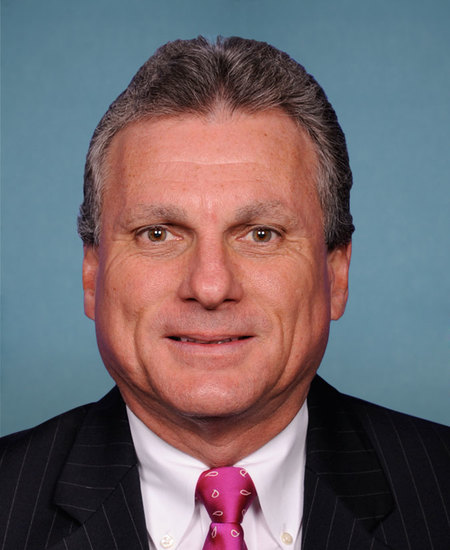
Rep. Earl L. "Buddy" Carter
Sponsored bills
Maddy summaryThe CLEAR Act (HR 4218) amends the Clean Air Act to streamline state compliance with air quality standards. It extends the review cycle for national air quality standards from five to ten years, requires states to consider economic feasibility alongside technical achievability when developing plans, and gives states up to three years (instead of two) to fix deficiencies before federal intervention. The bill also creates a new exception for wildfire mitigation actions like prescribed fires, allowing states to exclude wildfire-related air quality data from violation determinations. These changes primarily affect states responsible for implementing air quality plans under federal oversight.
Maddy summaryHR 7156, the SCAM Act, would expand grounds for revoking U.S. citizenship (denaturalization) for naturalized citizens who commit specific offenses within 10 years of becoming citizens. It targets individuals convicted of defrauding federal, state, or local governments (e.g., $10,000+ in public benefit fraud), affiliating with foreign terrorist organizations, or committing aggravated felonies or espionage. If convicted in these categories, the government could automatically revoke citizenship retroactively (as if it never existed) based on evidence that the person lacked good moral character or loyalty to the U.S. at the time of naturalization. This bill directly affects naturalized citizens who commit these offenses within a decade of gaining citizenship, with revocation triggering immediate deportability.
Maddy summaryThe NFIP Extension Act of 2026 extends the National Flood Insurance Program (NFIP) through September 30, 2026, by updating two key deadlines in the law: the funding authorization (Section 1309(a)) and the program's expiration date (Section 1319). This directly affects homeowners, renters, and businesses in flood-prone areas who rely on NFIP policies for coverage. The bill changes the existing 2023 expiration dates to 2026, preventing program shutdown and ensuring continued access to federally backed flood insurance. If passed after September 30, 2025, the changes apply retroactively as if enacted on that date.
Maddy summaryThis resolution (HRES 998) is a symbolic House of Representatives commendation honoring President Trump, U.S. military/intelligence agencies, and Justice Department personnel for the alleged success of "Operation Absolute Resolve" in apprehending Venezuelan leader Nicolás Maduro. It cites Maduro's charges (including narcoterrorism conspiracy) and the Maduro regime's alleged dismantling of Venezuelan democracy, state-sponsored drug trafficking, and human rights abuses. The resolution expresses support for Venezuela's democratic transition but contains no new policy, funding, or legal changes. As a procedural resolution, it does not directly affect any individuals or alter laws.
Maddy summaryThis bill modifies federal sentencing for young people under 18 who were previously trafficked, abused, or assaulted before committing violent crimes. It allows judges to sentence below mandatory minimums and suspend parts of a sentence to account for the trauma the offender experienced. The law specifically applies to those convicted of violent offenses after the bill's enactment, provided the court finds clear evidence they were victimized under specific federal trafficking or abuse laws within the prior year. It directly affects minors with documented histories of victimization who commit violent acts, giving judges discretion to consider their trauma during sentencing.
Maddy summaryHR 3453, the Empower Charter School Educators to Lead Act, creates new federal grants to help educator-led teams plan and open charter schools. It provides up to $100,000 per team for pre-charter planning, targeting groups led by educators with at least 4.5 years of school-based experience (including after-school programs) and a demonstrated ability to lead. To qualify, teams must submit a community needs assessment and a plan showing how their proposed school will address those needs. The bill reserves 5% of relevant funding for these educator-led grants, adjusting existing ESEA grant formulas to prioritize this new support. This directly affects educators seeking to start charter schools and the communities where those schools would operate.
Maddy summaryHR 909, the Crime Victims Fund Stabilization Act of 2025, modifies how funds from the False Claims Act are deposited into the Crime Victims Fund. It specifies that from 2025 through 2029, certain False Claims Act proceeds (specifically those for qui tam plaintiff payments and government damage reimbursements) cannot be deposited into the fund. This change directly affects the composition of the Crime Victims Fund by excluding these specific revenue streams during the specified period. The bill does not create new benefits or alter victim services; it only adjusts fund allocation rules for existing False Claims Act revenues.
Maddy summaryHRES 984 is a symbolic resolution designating January 9, 2026, as "National Law Enforcement Appreciation Day." It directly honors all federal, state, local, and tribal law enforcement officers across the United States for their service and sacrifices. The resolution expresses the House's support and gratitude, encourages public observance through ceremonies, and recognizes officers who have made the ultimate sacrifice. As a non-binding resolution, it does not create new laws or policies but serves as a formal expression of appreciation.
Maddy summaryThis bill amends U.S. immigration law to make fraud convictions deportable without requiring a specific fraud loss amount. It directly affects non-citizens (aliens) convicted of fraud against private individuals, businesses, or government entities, and naturalized U.S. citizens convicted of such fraud. Key provisions include adding fraud to the list of deportable offenses under Section 237(a)(2) and enabling courts to revoke citizenship and cancel naturalization certificates for naturalized citizens convicted of qualifying fraud offenses. The changes apply to fraud committed on or after September 30, 1996, that wasn’t already charged before the bill’s enactment.