

Maddy summaryThe DISCLOSE Act of 2023 would increase transparency in political spending by requiring organizations making campaign-related disbursements over $10,000 to disclose the names and addresses of their major donors, including the top five funders for political communications. It would close loopholes allowing foreign nationals to secretly fund election activities through corporations or other entities by expanding the definition of prohibited foreign contributions. The bill would mandate "stand by every ad" disclosure requirements for political communications across all media, including audio, video, and internet ads, requiring clear identification of funders. It would also require reporting of disbursements related to Federal judicial nominations, which currently aren't subject to disclosure requirements. These provisions would apply to corporations, labor organizations, and certain nonprofits that engage in political activity.
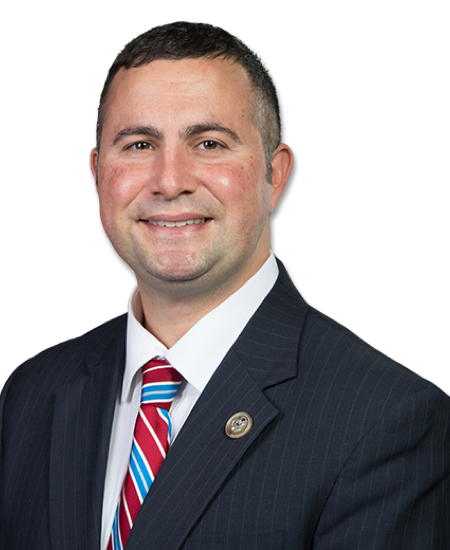
Rep. Darren Soto
Sponsored bills
Maddy summaryThe IDEA Full Funding Act (HR 4519) mandates specific annual increases in federal funding for special education programs under the Individuals with Disabilities Education Act (IDEA). It requires Congress to appropriate increasing amounts each fiscal year - from $5.87 billion for 2024 up to $55.53 billion for 2033 - to reach 40% of the national average per-pupil expenditure for public schools by 2033. This directly affects all public school districts serving students with disabilities, as federal IDEA funding supports their special education services. The bill sets fixed dollar amounts or percentage targets (whichever is greater) for each fiscal year, aiming to gradually close the long-standing gap between promised and actual federal funding. It does not alter eligibility for services but mandates higher, phased funding levels to meet the 40% target.
Fairness in Medicare Savings Program Act of 2023 This bill requires Medicaid programs in U.S. territories to offer Medicare cost-sharing assistance for qualifying beneficiaries. Amounts expended for this purpose are excluded from Medicaid funding caps.
Maddy summaryHR 4498, the Jobs of the Future Act of 2023, requires the U.S. Department of Labor and the National Science Foundation to produce two reports analyzing how artificial intelligence impacts the U.S. workforce. The reports must identify data gaps, industries most affected by AI, vulnerable worker demographics (like specific age, gender, or economic groups), and needed skills for AI-related jobs. They will also propose methods to reskill workers, expand access to AI education, and support community colleges and minority-serving institutions. The bill does not fund programs or change laws but mandates this analysis to inform future workforce policies.
This resolution expresses the sense of the House of Representatives that (1) lesbian, gay, bisexual, transgender, queer, intersex, and asexual (LGBTQIA+) rights are human rights and protected by the U.S. Constitution; (2) LGBTQIA+ Pride Month should be celebrated; and (3) all Americans should be treated equally regardless of sexual orientation, sex characteristics, or gender identity.
Maddy summaryThis bill prohibits defendants in federal criminal cases from using a victim's LGBTQ+ identity (sexual orientation, gender identity, or expression) as a legal excuse for violence or to reduce sentences - a practice known as the "LGBTQ+ panic defense." It specifically bans arguments that a "nonviolent sexual advance or perception" of the victim's identity justified the crime, while allowing evidence of the defendant's past trauma under standard evidence rules. The law directly affects federal criminal trials where defendants attempt to justify violence against LGBTQ+ victims using prejudice-based excuses. It also requires the Attorney General to report annually on federal prosecutions involving bias-motivated crimes against LGBTQ+ individuals.
Maddy summaryHR 4444 would establish a new Office of Young Americans within the Executive Office of the President to address issues primarily affecting U.S. citizens and lawful permanent residents aged 18-40, such as employment, education, mental health, housing, and climate change. The Office, led by a President-appointed Director, would advise the President, coordinate federal agency efforts on youth-related issues, and submit a report every five years identifying priority challenges and recommendations. The bill sets the Director's pay at Executive Schedule Level II and allows for an Associate Director at Level III. The Office would also work to improve youth engagement in government and leverage technology for workforce development.
Maddy summaryHR 4340, the Therapeutic Fraud Prevention Act of 2023, prohibits paid providers from offering conversion therapy - defined as any commercial service attempting to change a person's sexual orientation or gender identity - and bans advertising that claims such therapy is effective or harmless. It directly affects therapists, counselors, or organizations offering paid conversion therapy services, including those advertising such services. Key provisions make it unlawful to provide, advertise, or facilitate paid conversion therapy, with enforcement led by the Federal Trade Commission (FTC) under consumer protection laws and allowing states to pursue civil actions. The bill explicitly excludes supportive care for gender transition or identity exploration from its definition of prohibited therapy.
Maddy summaryHR 4335, the VA Loan Informed Disclosure Act of 2023, requires mortgage lenders to include specific information about VA home loan programs in standard mortgage disclosures. The bill amends the National Housing Act to mandate that lenders provide details on VA loans (guaranteed under Title 38) alongside other loan options, including assumptions about prevailing interest rates. This change directly affects lenders processing VA-guaranteed mortgages, ensuring borrowers receive clearer comparisons between VA loans and other financing. The law does not require lenders to verify borrower eligibility for VA loans, only to include the specified disclosure language.
Maddy summaryHR 4311, the DELETE Act, requires data brokers (companies that collect personal information from people they don't directly interact with) to register annually with the Federal Trade Commission (FTC) and disclose their data practices. It creates a centralized FTC system allowing individuals to submit a single request to delete their personal information from all registered data brokers within 31 days, with brokers required to delete data and stop collecting it for that person. The bill includes exemptions for data used in human subjects research, legal compliance, or fraud prevention, and mandates annual audits of brokers for compliance. Brokers must pay an annual fee to access the deletion system, and the FTC will report on the system's effectiveness to Congress.