

Maddy summaryHR 1692, the Health Care Affordability Act of 2023, adjusts how health insurance subsidies are calculated for people buying coverage through the marketplace. It replaces the previous subsidy formula with a sliding scale based on income, where households earning up to 150% of the poverty line pay 0% of premiums, and those at 400% or more pay 8.5%. The change applies to all income tiers between these points, with percentages increasing incrementally (e.g., 2% for 150-200% income). This directly affects individuals purchasing health insurance through the marketplace who qualify for subsidies under the Affordable Care Act. The bill amends Section 36B of the Internal Revenue Code and takes effect for tax years beginning after December 31, 2022.
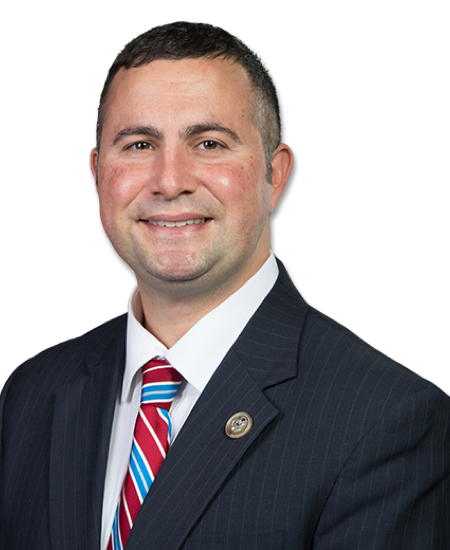
Rep. Darren Soto
Sponsored bills
Maddy summaryThe Prevent Interruptions in Physical Therapy Act of 2023 amends Medicare rules to allow physical therapists to use temporary replacement providers (locum tenens) for outpatient physical therapy services, aligning with existing provisions for physicians. This directly affects Medicare beneficiaries receiving physical therapy and physical therapy practices needing temporary staffing solutions during provider shortages. The bill updates the Social Security Act to extend the current physician locum tenens rule to physical therapists, ensuring continuity of care without requiring separate approval for temporary coverage. It applies to services furnished after the bill's enactment date.
Maddy summaryThe HELLPP Act (HR 1634) amends Medicaid to recognize doctors of podiatric medicine (podiatrists) as physicians, enabling them to be reimbursed for services under Medicaid starting January 1, 2024. It also clarifies Medicare’s documentation requirements for therapeutic shoes for people with diabetes, mandating specific written certifications from a managing physician and a podiatrist to confirm medical necessity. These changes directly affect patients with foot conditions, especially those with diabetes, by improving access to podiatrist-provided care and coverage for therapeutic shoes. The bill includes a separate provision strengthening Medicaid program integrity through continuous levies on provider payments, but this does not alter patient coverage. All key provisions take effect on January 1, 2024.
Maddy summaryHR 1610 would modernize Medicare coverage for chiropractic care by removing the current restriction that limited beneficiaries to one chiropractic service per visit. It expands coverage to include all services provided by licensed chiropractors within their state-authorized scope, aligning Medicare with VA, military, and private insurance practices. The bill requires chiropractors to complete a Secretary-approved educational webinar to cover non-spinal services, while still allowing payment for spinal manipulation treatments without this requirement. This directly affects Medicare beneficiaries seeking chiropractic care and chiropractors seeking Medicare reimbursement for their services.
Maddy summaryThe Affordable Insulin Now Act (HR 1488) requires health insurance plans and issuers to cover specific insulin products with cost-sharing capped at $35 per 30-day supply or 25% of the negotiated price, whichever is lower, starting in 2024. It directly affects people with diabetes who rely on insulin by limiting out-of-pocket costs for covered products. The bill mandates coverage of all insulin types (rapid-acting, long-acting, etc.) and dosage forms (vials, pumps, etc.) as selected by the plan. This applies to both group and individual health insurance plans under the Public Health Service Act, Internal Revenue Code, and ERISA, with cost-sharing counting toward annual deductibles.
Maddy summaryThis bill expands Medicare coverage for hereditary cancer prevention and management. It requires Medicare to cover genetic testing for individuals with a personal or family history of hereditary cancer mutations, as defined by evidence-based guidelines from organizations like the National Comprehensive Cancer Network. The bill also mandates coverage for risk-reducing surgeries (like mastectomies or oophorectomies) when medically appropriate, and increases the frequency of recommended cancer screenings (such as mammograms, colonoscopies, and breast MRI) to at least annually for those with confirmed hereditary cancer gene mutations. These changes apply to Medicare beneficiaries with specific hereditary cancer risk factors, effective upon the bill's enactment.
Maddy summaryThis bill requires Medicare and Medicaid to cover prescription digital therapeutics - software-based treatments for medical conditions like diabetes or mental health disorders - starting January 1, 2024. It mandates Medicare to establish payment rates for manufacturers within one year and create specific billing codes within two years, with temporary codes used until permanent codes are set. Manufacturers must report annual data on pricing, usage, and discounts to Medicare, facing penalties of up to $10,000 per day for incomplete or false reports. The bill directly affects Medicare/Medicaid beneficiaries, digital therapeutic companies, and the healthcare billing system by integrating these treatments into federal coverage.
Maddy summaryThis bill makes permanent Medicare coverage for cardiac and pulmonary rehabilitation services delivered via telehealth in patients' homes, which were temporarily allowed during the pandemic. It removes geographic restrictions that previously required in-person visits or limited services to specific locations like clinics. The change directly affects Medicare beneficiaries needing heart or lung rehabilitation and healthcare providers offering these programs. It ensures home-based telehealth visits for cardiac, intensive cardiac, and pulmonary rehabilitation receive the same coverage as in-clinic services under Medicare.
Maddy summaryHR 1363 extends a 100% tax deduction (bonus depreciation) for businesses investing in qualifying U.S. space launch infrastructure through 2032. It directly affects companies building or operating space launch vehicles, payloads, or related equipment launched from the United States. The bill defines "qualified domestic space launch property" to include ground-launched systems and aircraft-launched systems (if substantially manufactured in the U.S. and launched from U.S. soil). This tax incentive applies to property placed in service after December 31, 2023, aiming to support domestic space commerce.
Maddy summaryThe Territories Health Equity Act of 2023 improves healthcare access and funding for residents of U.S. territories by making several key changes to Medicare and Medicaid programs. It eliminates funding limitations for Medicaid in territories beginning in 2024, removes specific Medicare funding restrictions for Puerto Rico, and allows territories to receive payments for hospitals serving high numbers of low-income residents. The bill creates automatic eligibility for low-income territorial residents to receive Medicare premium and cost-sharing subsidies, eliminates late enrollment penalties for Part B Medicare in Puerto Rico, and requires transparency about Medicaid and CHIP programs in territories. These changes directly affect residents of Puerto Rico, the Virgin Islands, Guam, the Northern Mariana Islands, and American Samoa, as well as healthcare providers in these territories.