

Maddy summaryHR 1228 prohibits the U.S. military and Department of Defense-operated academic institutions from promoting specific anti-American or racist theories in training. It bans military programs that teach ideas such as "the U.S. is fundamentally racist," "the Constitution is fundamentally racist," or that "an individual’s worth is determined by race." The bill explicitly states it does not restrict protected speech, research access, or educational contexts that clearly disavow military endorsement of such theories. This directly affects military training curricula, workshops, and educational materials within the armed forces.
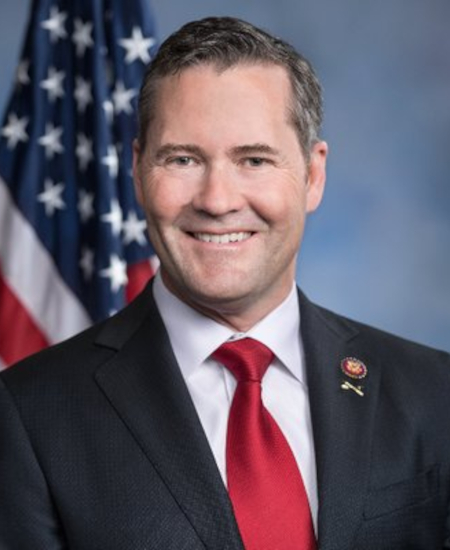
Rep. Michael Waltz
Sponsored bills
Maddy summaryHRES 132 is a non-binding House resolution expressing condolences for the over 36,000 earthquake victims in Türkiye and Syria and commending humanitarian response efforts. It specifically condemns the Assad regime for obstructing aid delivery and exploiting the disaster, urging the Biden administration to open all UN border crossings for aid and prevent U.S.-funded assistance from being diverted to Syria’s government. The resolution also calls for continued enforcement of the Caesar Syria Civilian Protection Act to protect Syrian civilians. As a symbolic resolution, it does not create new law but formally directs the administration’s diplomatic approach to the crisis.
Maddy summaryThis bill prohibits the establishment or maintenance of Junior Reserve Officers' Training Corps (JROTC) programs at any school owned, operated, or controlled by the Chinese Communist Party (CCP), the People's Liberation Army, or entities designated under U.S. sanctions lists (such as the Treasury's Non-SDN Chinese Military-Industrial Complex list). It directly affects JROTC programs in schools linked to the CCP or Chinese military entities. The key mechanism amends Title 10 of U.S. Code to add a new provision banning such JROTC units at these institutions. The law would prevent federal funding or support for JROTC in these specific schools if enacted.
Maddy summaryHR 1200, the National Right-to-Work Act, prohibits requiring workers to join a union or pay dues as a condition of employment in both private-sector workplaces (covered by the National Labor Relations Act) and railroad industries (covered by the Railway Labor Act). The bill amends key sections of these laws to eliminate provisions that allowed union security agreements, meaning workers in unionized settings would no longer be forced to pay dues to retain their jobs. This directly affects employees in unionized workplaces across the U.S., particularly those in industries with existing union contracts that included mandatory dues. The law changes the legal framework to ensure union membership and dues payment remain voluntary for all workers.
Women's Public Health and Safety Act This bill allows a state to exclude from participation in the state's Medicaid program a provider that performs an abortion, unless (1) the pregnancy is the result of rape or incest, or (2) the woman suffers from a physical issue that would place her in danger of death unless an abortion is performed. Under current law, a state plan for medical assistance must provide that any individual eligible for medical assistance may obtain required services from any provider qualified to perform them.
Maddy summaryHR 1008 adds harmful algal blooms to the list of qualifying events for federal disaster assistance under the Stafford Act, enabling affected communities to access emergency aid. It also requires the CDC to conduct a study on health effects from airborne toxins during blooms within one year of enactment, to be shared with relevant congressional committees. The bill establishes a framework for federal response but does not provide new funding or directly regulate pollution sources. It primarily affects coastal and lake communities where blooms threaten public health, tourism, and local economies through potential beach closures, fishing restrictions, and property value declines.
Maddy summaryHR 970 imposes a 12-year moratorium (through June 2032) on energy development leases for oil, gas, and wind projects in specific Gulf of Mexico areas critical to military operations. It directly affects energy developers seeking permits in zones east of the Military Mission Line or areas identified in Defense reports as threatening military readiness. The bill prohibits leasing in these zones but allows exceptions for environmental conservation projects like wetlands restoration. It also requires the Department of Defense to submit reports by 2024 and 2031 detailing how energy development impacts military capabilities in designated Gulf planning areas. This policy change aims to protect military testing ranges by restricting commercial energy activities in sensitive waters.
Maddy summaryHR 583, the American Shores Protection Act of 2023, extends a moratorium on new offshore oil and gas leasing along the coasts of Florida, Georgia, and South Carolina until June 30, 2032. It specifically adds two new coastal planning areas (the South Atlantic and Straits of Florida) to the existing ban. The bill clarifies that existing leases remain unaffected and allows the Secretary to issue leases for environmental conservation purposes, including shore protection, beach restoration, wetlands restoration, and habitat protection. This directly affects energy companies seeking new offshore drilling permits in those coastal regions.
Maddy summaryThis resolution (HRES 139) celebrates the 75th anniversary of NASCAR, marking its founding on February 21, 1948. It commends NASCAR's contributions to the U.S. economy and society, highlighting its role as a global motorsports leader that hosts over 1,200 races annually, supports community initiatives (like donating $43 million to children via the NASCAR Foundation), and drives tourism and entertainment. As a ceremonial resolution, it does not create new laws or affect any individuals or entities. The House formally recognizes NASCAR's historical significance and ongoing impact through this symbolic gesture.
Maddy summaryHR 1078, the Veteran Education Empowerment Act, establishes a federal grant program to help colleges and universities create or improve dedicated Student Veteran Centers. The bill authorizes up to $500,000 per institution over four years for centers providing lounge space, benefits counseling, academic support, and peer mentorship specifically for veterans, active-duty service members, and their families. Eligible institutions must serve a significant veteran population and demonstrate long-term sustainability. The program requires annual reporting on center usage, veteran demographics, and outcomes like degree completion, with the Department of Education mandated to share best practices via a public website. This directly supports veterans navigating higher education challenges like transition difficulties and isolation.