

Maddy summaryThe Project Safe Childhood Act modernizes the Project Safe Childhood program to combat online child sexual exploitation and abuse. It requires the Attorney General to develop best practices for investigating and prosecuting child sexual exploitation offenses, including contact sexual offenses and those involving child sexual abuse material. Each U.S. Attorney must create a district-specific strategic plan coordinating with law enforcement and prosecutors to identify victims and serious offenders, with a focus on victim-centered approaches. The bill authorizes $29.1 million annually for additional staff, training, and a national Safer Internet Day to raise public awareness about online child exploitation threats.
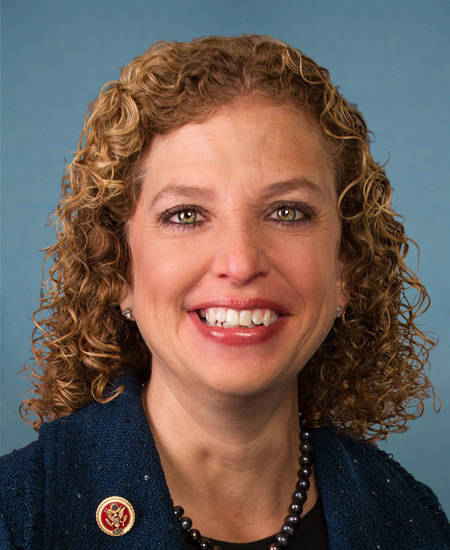
Rep. Debbie Wasserman Schultz
Sponsored bills
Maddy summaryHR 2630, the Safe Step Act, requires group health plans and health insurance issuers to establish a clear, transparent process for patients or their doctors to request exceptions to medication step therapy protocols. These protocols typically force patients to try cheaper drugs first before covering more expensive alternatives. The bill mandates that plans must approve exceptions when prior treatments failed, delay would cause serious harm, a treatment is unsafe, or a patient is stable on a previously approved drug, with strict 72-hour (or 24-hour in emergencies) decision timelines. It also requires plans to publish the exception process online and limit documentation requests to only necessary medical information. This law directly affects health insurers, employers offering health plans, and patients using step therapy for prescription drugs.
Maddy summaryThis bill allows Medicaid coverage for incarcerated individuals during the 30 days preceding their release from public institutions. It directly affects people transitioning from prisons or jails back into communities by extending health coverage during this critical period. The key mechanism amends the Social Security Act to remove a Medicaid exclusion for this 30-day window. Additionally, it requires an 18-month report analyzing correctional healthcare standards, current discharge practices, and the potential impact of this coverage extension on post-release health access.
Maddy summaryHR 2439, the Ally’s Act, requires most private health insurance plans to cover hearing-related services and devices for qualifying individuals. It mandates coverage for cochlear implants, bone conduction devices, maintenance, upgrades every five years, hearing assessments, surgery, and rehabilitation, without separate cost-sharing or medical necessity reviews. This directly affects people with hearing loss who need implantable devices, as defined by a physician or audiologist. The law applies to group health plans under the Public Health Service Act, ERISA, and Internal Revenue Code, taking effect for plan years beginning January 1, 2025.
Helping Kids Cope Act This bill establishes programs within the Health Resources and Services Administration (HRSA) to support pediatric behavioral health care. Specifically, HRSA must award grants, contracts, or cooperative agreements to eligible health care providers for (1) integrating and coordinating pediatric behavioral health care within communities, and (2) pediatric mental health and substance use disorder workforce training. Additionally, HRSA must award grants, contracts, or cooperative agreements to hospitals or rural health clinics that predominately treat individuals under age 21 for expanding their capacity to provide pediatric behavioral health services. Recipients may use awards for constructing or modernizing sites of care and enhancing digital infrastructure, telehealth capabilities, or other improvements to patient care infrastructure.
Resident Physician Shortage Reduction Act of 2023 This bill increases the number of residency positions eligible for graduate medical education payments under Medicare for qualifying hospitals, including hospitals in rural areas and health professional shortage areas. Current law provides for an increase of up to 200 positions per fiscal year beginning in FY2023, with a total increase of 1,000 positions; each hospital may receive up to 25 additional positions. Current law also provides for an additional increase of up to 200 positions for FY2026, with at least 100 of these positions for psychiatry or related specialties; each hospital may receive up to 10 additional positions. The bill provides for an additional increase of 2,000 positions per fiscal year from FY2025-FY2031; during this period, each hospital may receive up to 75 additional positions in total under the bill and current law. Additionally, one-third of the positions that are made available under the bill must be allocated to hospitals that are already operating above applicable resident limits. The bill also requires the Government Accountability Office to report on strategies to increase the diversity of the health professional workforce, including with respect to representation from rural, low-income, and minority communities.
Maddy summaryHR 1826 (PSA Screening for HIM Act) requires health insurance plans and issuers to cover prostate cancer screenings without out-of-pocket costs for men aged 40 and over who are at high risk of prostate cancer. This directly affects African-American men and men with a family history of prostate cancer (defined as having a first-degree relative diagnosed with or who died from prostate cancer). The bill mandates coverage for evidence-based screenings under the same requirements as other preventive services, effective for plan years starting January 1, 2024. It aims to address disparities in prostate cancer outcomes by removing financial barriers to early detection for high-risk groups.
Maddy summaryThe Women's Health Protection Act of 2023 would protect access to abortion services by prohibiting states from imposing restrictions that are more burdensome than those for comparable medical procedures. The bill would ensure people can obtain abortion services before fetal viability without unnecessary limitations like mandatory waiting periods or biased counseling, and after viability when necessary to protect the patient's life or health. It would preempt state laws that conflict with these protections and allow for civil enforcement actions to challenge restrictive state laws. This bill directly affects people seeking abortion services (including transgender and nonbinary individuals who can become pregnant), health care providers, and states that have implemented abortion restrictions.
Maddy summaryHR 2532, the Women in NCAA Sports Act, establishes a 16-member Commission to study and compare how the NCAA treats men’s and women’s sports programs. The Commission will examine NCAA operations - including tournament venues, budgets, media contracts, and policies - to identify disparities in treatment across all sports and student-athlete programs. After 18 months, it must submit a report to Congress with findings and recommendations for improving fairness, while avoiding any review of athlete eligibility. The bill directly affects NCAA operations and requires Congress to consider the Commission’s findings for potential policy changes.
Maddy summaryHR 2403, the Enhanced Background Checks Act of 2023, modifies federal firearm background check procedures to address delays. It requires firearm licensees to wait at least 10 business days after a prospective buyer submits a petition verifying they are not prohibited from owning firearms before completing a sale, if the background check system hasn't cleared the transaction. The bill also mandates the Attorney General to create an electronic petition form, provide timely responses to petitions, and track delays. Additionally, it requires multiple reports analyzing implementation, transaction delays, denial reasons by state, and potential impacts on domestic violence victim safety, with the first report due within 150 days of enactment.