

Maddy summaryHR 3792 extends U.S. security funding for Israel through 2028 (Section 3) and expands energy cooperation to include advanced nuclear technologies and carbon capture (Section 5). It requires annual reports on regional security partnerships involving Israel (Section 6) and ensures countries in the Abraham Accords can access U.S. development programs (Section 8). The bill also mandates reports on diplomatic efforts against ICC investigations targeting the U.S. and Israel (Section 10) and encourages people-to-people programs to strengthen the Abraham Accords (Sections 7, 9). These provisions directly affect Israel’s diplomatic engagement, security partnerships, and economic cooperation in the Middle East.
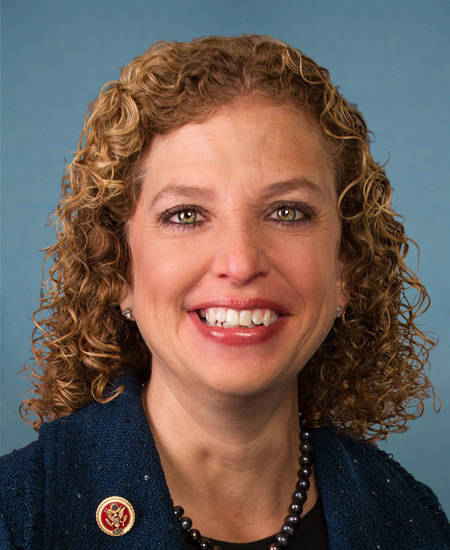
Rep. Debbie Wasserman Schultz
Sponsored bills
Maddy summaryThis bill removes a barrier for college students seeking food assistance by amending the SNAP program rules. It directly affects students enrolled at least half-time in recognized colleges or training programs, who were previously automatically ineligible unless they met separate requirements. The key change eliminates the prior restriction (in section 6(e)) that barred most higher education students from SNAP, allowing them to qualify under the new provision in section 3(m)(5)(F). The changes take effect January 2, 2024.
Maddy summaryHRES 459 is a resolution expressing the House of Representatives' support for designating June 2, 2023, as "National Gun Violence Awareness Day" and June 2023 as "National Gun Violence Awareness Month." It encourages the public to wear orange, promote gun safety awareness, and discuss community safety measures during this time, particularly highlighting the summer months when gun violence often increases. The resolution references statistics on gun violence deaths and pays tribute to victims like Hadiya Pendleton, but does not create new laws or impose requirements.
Maddy summaryThe Cady Housh and Gemesha Thomas Student Suicide Prevention Act of 2023 requires states to establish a policy mandating annual suicide prevention training for school staff and high school students (grades 9-12). The training must be evidence-based, cover recognizing suicide warning signs, appropriate responses, and referrals to mental health services, while including cultural competency. It allocates $48 million in federal funds, with at least 15% dedicated to supporting this training program, and requires states to collaborate with mental health experts. The bill directly affects school staff and high school students in states that adopt the policy and receive federal funding.
Maddy summaryThe PREVENT HPV Cancers Act of 2023 requires the CDC to launch a national public awareness campaign to increase HPV vaccination rates, particularly among males and underserved communities. It mandates culturally tailored materials targeting rural areas, Black and Hispanic women, LGBTQ+ individuals, and populations with high HPV cancer rates, while combating misinformation about vaccine safety. The campaign, funded at $5 million annually from 2024-2028, will use media, community partnerships, and provider outreach to promote vaccination for adolescents aged 9-17. Additionally, the bill increases annual funding for the Breast and Cervical Cancer Early Detection Program to $300 million per year through 2028. The bill directly affects adolescents, healthcare providers, and communities facing HPV cancer disparities.
Maddy summaryThis bill creates a new tax credit for expenses related to "qualified access technology for the blind" under the Internal Revenue Code. It allows taxpayers to claim a credit of up to $2,000 per year (adjusted for inflation) for costs paid for hardware, software, or IT that converts visual information into formats usable by blind individuals, covering the taxpayer, their spouse, or a dependent who is blind. The credit is limited to $2,000 over any three consecutive tax years per blind individual and expires after 2028. It directly affects blind individuals and their families who purchase qualifying assistive technology. The credit cannot be claimed for expenses already covered by other tax deductions or credits.
Maddy summaryThis bill amends the Older Americans Act to better serve LGBTQI older adults (defined as lesbian, gay, bisexual, transgender, queer, intersex individuals, and those living with HIV) by adding specific definitions and creating new support structures. It establishes an Office of LGBTQI Inclusion within the Administration on Aging, led by a Director and Assistant Director, to coordinate services, advocate for this community, and collect data on their challenges. The bill also creates a National Resource Center on LGBTQI Aging to provide training and resources to organizations serving LGBTQI older adults and requires data collection on discrimination against them in long-term care settings. These changes aim to improve access to culturally competent services and address the unique needs of LGBTQI older adults through concrete policy updates.
Maddy summaryThis bill requires U.S. government agencies to develop strategies to combat "transnational repression" - actions by foreign governments or their agents to intimidate, coerce, or harm diaspora and exile communities outside their home countries. It mandates the State Department to create an interagency strategy, amend annual country reports to include information on transnational repression tactics, and provide training for diplomatic and law enforcement personnel. The bill also establishes sanctions against foreign governments or individuals responsible for transnational repression, including blocking property and denying visas. These provisions directly affect diaspora communities facing foreign government harassment and U.S. agencies tasked with protecting them.
Maddy summaryHRES 438 is a symbolic House resolution condemning the rise in antisemitism in the U.S. and urging elected officials to educate the public about Jewish American contributions. It specifically calls on leaders to condemn antisemitic acts, ensure Jewish community safety, and highlight historical and cultural contributions of Jewish Americans. The resolution does not create new laws or allocate funds but serves as a formal statement of support for addressing antisemitism through education. It targets all elected officials, faith leaders, and civic leaders to take these actions, referencing rising antisemitic incidents and the importance of Jewish American Heritage Month.
Maddy summaryHRES 439 is a non-binding resolution expressing the House of Representatives' support for keeping the U.S. Postal Service (USPS) as an independent federal agency, not subject to privatization. It highlights USPS's constitutional role, self-sustaining nature (relying on service revenue, not taxpayer funds), and its importance to rural communities, e-commerce, and over 600,000 employees. The resolution urges Congress to take action to preserve USPS's independence, emphasizing that privatization could raise prices, reduce services, and harm the nation's mail infrastructure. As a procedural resolution, it does not change law but formally states the House's position.