

Maddy summaryThe SHIP Act imposes sanctions on foreign entities that knowingly handle Iranian petroleum, targeting those involved in port operations, transportation, refining, or ship-to-ship transfers of Iranian oil. Starting 90 days after enactment, the President must block assets, deny visas, and impose penalties on individuals or companies engaging in these activities, including family members or owners of sanctioned entities. It requires annual reports tracking Iran's oil exports, revenues, and key players like shipping companies and ports. The sanctions terminate if the President certifies Iran has stopped supporting terrorism and dismantled weapons programs.
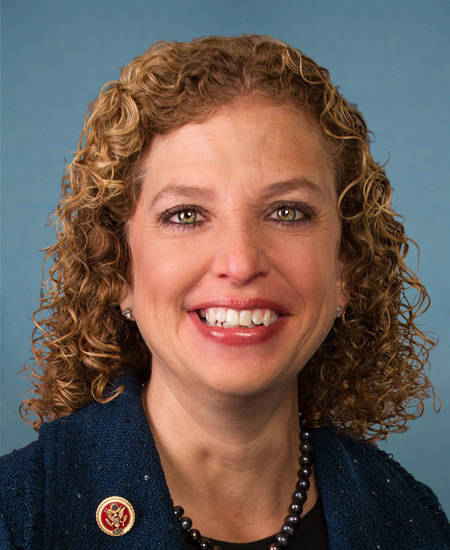
Rep. Debbie Wasserman Schultz
Sponsored bills
Maddy summaryHRES 815 is a non-binding resolution expressing the U.S. House of Representatives' support for recognizing October 26, 2023, as "Intersex Awareness Day," which commemorates the 1996 demonstration by intersex individuals and promotes bodily autonomy. It encourages federal, state, local, and community organizations to observe the day through educational programs and to provide culturally competent care to intersex people. The resolution also urges healthcare providers and schools to connect intersex individuals and families to resources and support education about intersex diversity. As a symbolic gesture, it does not create new legal requirements but aims to raise public awareness and affirm the rights of intersex people.
Maddy summaryHR 6172, the AMMO Act, requires federal firearms licensees (dealers/manufacturers) to implement new rules for selling ammunition to non-licensed buyers. It prohibits transfers exceeding 100 rounds of .50 caliber or 1,000 rounds of other calibers within any 5-day period and mandates written certification from buyers confirming they haven’t exceeded these limits. Licensees must also conduct background checks through the National Instant Criminal Background Check System (NICS) before selling ammunition to non-licensed individuals, similar to firearm sales. The bill includes recordkeeping, signage, and reporting requirements for violations, with penalties including fines up to $250,000 for licensees and $50,000 for buyers making false statements.
Maddy summaryThis bill, the PROTECT Act, creates a federal initiative focused on reducing youth and young adult e-cigarette use. It directs the CDC to conduct research on youth e-cigarette use patterns, marketing, health impacts, and effective prevention strategies, while developing guidance for healthcare providers and schools. The initiative also mandates a public education campaign about e-cigarette risks and allocates $100 million annually (2024-2028) to fund state programs targeting youth tobacco prevention and cessation services. It directly affects youth and young adults (ages 13-24), healthcare systems, schools, and state health departments through these research, education, and funding mechanisms.
Maddy summaryThis resolution (HRES 839) condemns antisemitism at U.S. colleges and universities and urges campus leaders to publicly oppose hate speech targeting Jewish students, faculty, and staff. It encourages university presidents, administrators, and faculty to speak out against speech that promotes violence or discrimination based on religion, national origin, or ancestry. The resolution specifically calls on institutions to support Jewish student organizations and ensure Jewish members can study and work without fear. As a non-binding resolution, it does not create new laws but expresses congressional support for addressing antisemitism on campuses.
Maddy summaryHR 6201, the Iranian Sanctions Enforcement Act of 2023, creates the Iran Sanctions Enforcement Fund to cover costs related to seizing and forfeiting property from Iran or its designated proxies (like Hezbollah or the Revolutionary Guard Corps) that violate U.S. sanctions. The fund, initially $150 million, pays for investigative costs, property management, informant rewards, and equipment for federal, state, and local agencies involved in enforcement. It also establishes an Export Enforcement Coordination Center within Homeland Security to improve interagency cooperation on enforcing export controls targeting Iran. The bill requires annual reports on fund usage and mandates repayment of the initial $150 million by 2034, unless waived for national security reasons.
Maddy summaryThe Healthcare Workforce Resilience Act (HR 6205) reallocates unused employment-based immigrant visas from fiscal years 1992-2021 to directly support foreign nurses and physicians seeking permanent residency in the U.S. It creates 40,000 new visas - 25,000 for nurses and 15,000 for physicians - available only to those with petitions filed within three years of the bill’s enactment. The bill includes expedited processing without fees, exempts these visas from country limits, and requires employers to attest that hiring foreign workers won’t displace U.S. workers. This policy change specifically targets healthcare staffing shortages by streamlining pathways for qualified foreign healthcare professionals.
Maddy summaryHR 2601, the National Human Trafficking Hotline Enhancement Act, requires organizations applying for federal grants under the Trafficking Victims Protection Act to certify they will share hotline information with state or local law enforcement upon request, while following disclosure laws. This directly affects grant applicants, such as anti-trafficking organizations operating the National Human Trafficking Hotline. The key mechanism adds a new certification requirement to grant eligibility, ensuring potential data sharing with law enforcement when appropriate. The bill also mandates a joint report from the Attorney General and DHS Secretary to Congress on how this requirement is implemented. The bill does not change the hotline's operations or victim services.
Maddy summaryHRES 831 is a symbolic congressional resolution supporting October as "National Domestic Violence Awareness Month." It does not create new laws or allocate funding, but formally expresses the House of Representatives' support for the goals of raising awareness about domestic violence. The resolution urges Congress to continue highlighting domestic violence's impact and backing programs that prevent and address it. It directly affects public awareness efforts and serves as a non-binding statement of congressional support for victims and advocacy organizations.
Maddy summaryHRES 599 is a non-binding resolution urging the European Union to fully designate Hizballah (Hezbollah) as a terrorist organization, rather than just its military wing as the EU did in 2013. It recommends the EU implement sanctions, freeze assets, issue arrest warrants, and prohibit fundraising for Hizballah, aligning with actions taken by the U.S. and other nations. The resolution cites Hizballah’s history of attacks, its criminal activities in Europe (including drug trafficking and money laundering), and its ties to Iran as justification. It directly addresses EU decision-makers, calling for coordinated action to disrupt Hizballah’s operations across the continent. The resolution follows prior House efforts, including H.Res. 359 (2017) and H.Res. 558 (2022), which made similar requests.