

Maddy summaryHCONRES 106 designates the week of September 19-23, 2022, as "Malnutrition Awareness Week" to highlight the widespread issue of malnutrition in the U.S., which disproportionately affects vulnerable groups like children, older adults, and communities of color. The resolution recognizes that malnutrition contributes to health disparities, higher medical costs (e.g., 300% more for hospitalized patients), and is linked to poverty and food insecurity. It supports existing federal nutrition programs, such as the Older Americans Act and child nutrition initiatives, and encourages better access to malnutrition screening and nutrition services without creating new laws or funding. As a symbolic resolution, it aims to raise public awareness and promote prevention efforts rather than enact policy changes.
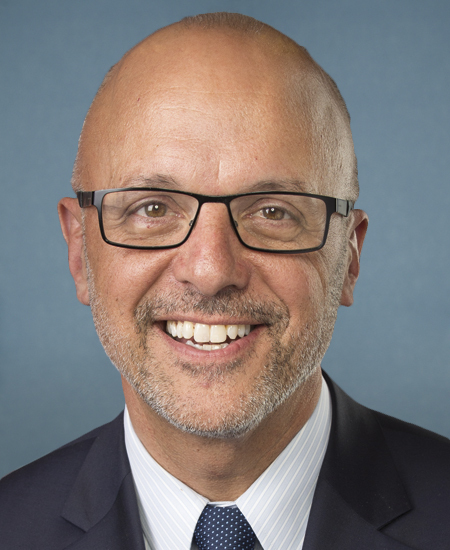
Rep. Theodore E. Deutch
Sponsored bills
Major Richard Star Act This bill provides that combat-disabled uniformed services retirees with fewer than 20 years of creditable service may concurrently receive, without reduction, veterans' disability compensation and retired pay or combat-related special compensation.
Global Malnutrition Prevention and Treatment Act of 2021 This act sets out programs and otherwise directs the U.S. Agency for International Development (USAID) to carry out activities to prevent and treat malnutrition globally. Specifically, USAID may leverage resources to address malnutrition through the Global Nutrition Coordination Plan (an interagency effort to strengthen the impact of U.S. investments in nutrition) and its role on the board of directors of the U.S. International Development Finance Corporation. USAID must also select countries based on specified malnutrition-related indicators for purposes of targeting malnutrition prevention and treatment programs and update the selection within five years. Additionally, USAID may establish the Nutrition Leadership Council to coordinate federal government activities to prevent and treat malnutrition; and target resources and nutrition interventions to the populations most susceptible to severe malnutrition and otherwise support efforts to prevent and treat malnutrition globally. The act also requires USAID to provide to Congress an implementation plan and annual reports concerning its programs for treating and preventing malnutrition. The act's provisions terminate seven years after its enactment.
Global Food Security Reauthorization Act of 2022 This bill reauthorizes through FY2028 activities to implement the Global Food Security Strategy, a whole-of-government strategy to promote global food security, resilience, and nutrition. The bill also modifies aspects of the strategy, such as requiring the strategy to seek to improve the efficiency and resilience of agricultural production. The bill also reauthorizes through FY2028 activities related to the Emergency Food Security Program, an international market-based assistance program.
Merger Filing Fee Modernization Act of 202 2 This bill modifies and expands the schedule for graduated merger filing fees and requires that such fees be adjusted each year based on the Consumer Price Index. It also (1) requires parties to disclose in their premerger notification filings any subsidy received from a foreign entity of concern, (2) modifies the venue rules for multi-district antitrust litigation, and (3) establishes various reporting requirements.
This bill designates the facility of the United States Postal Service located at 3900 Crown Road Southwest in Atlanta, Georgia, as the John R. Lewis Post Office Building.
National Museum of American LGBTQ+ History and Culture Act This bill establishes within the Smithsonian Institution the National Museum of American LGBTQ+ History and Culture. The museum (1) may carry out educational and liaison programs in support of its goals, and (2) shall establish specified grant and scholarship programs.
Commission To Study the Potential Creation of a National Museum of American LGBTQ+ History and Culture Act This bill establishes the Commission to Study the Potential Creation of a National Museum of American LGBTQ+ History and Culture. The commission shall submit reports that address the feasibility of establishing and maintaining such a museum, the availability and cost of collections to be acquired and housed in the museum, the impact of the museum on existing American LGBTQ+ history-related museums, development of criteria for evaluating possible locations for the museum, and the feasibility of the museum becoming part of the Smithsonian Institution. The commission shall develop a fundraising plan that will address the support of the museum through contributions from the public. No federal funds may be obligated to carry out this bill.
Maximizing Outcomes through Better Investments in Lifesaving Equipment for (MOBILE) Health Care Act This bill allows a health center that currently receives funding through a Health Resources & Services Administration Health Center Program grant to use a New Access Point grant to set up a mobile unit regardless of whether the health center also establishes a permanent health care delivery site. New Access Point grants help health centers establish new delivery sites to provide comprehensive primary care to medically underserved populations. Under current law, health centers may only use the grants to set up a mobile unit if they also establish a permanent site.
Break the Cycle of Violence Act This bill establishes federal grant programs and related entities to support violence intervention initiatives. Specifically, the bill directs the Department of Health and Human Services (HHS) to award grants for coordinated community violence intervention initiatives in communities disproportionately impacted by homicides and community violence. HHS must also establish several related entities, including an Office of Community Violence Intervention to administer programs and activities related to violence intervention; the Community Violence Intervention Advisory Committee to advise and assist the office and HHS; and the National Community Violence Response Center to provide training and technical assistance, coordinate research, and develop data collection policies. Additionally, the bill directs the Department of Labor to award grants for job training and workforce programs in communities disproportionately affected by gun violence to connect youth ages 16 to 24 to in-demand occupations.