

Maddy summaryThis bill prohibits the possession, sale, or transfer of most large-capacity ammunition magazines (holding more than 15 rounds) for the general public, while exempting law enforcement officers (including campus security officers), retired officers, and certain licensed entities like nuclear facility security. It requires new magazines manufactured after enactment to have serial numbers and manufacturing dates, and allows federal grant funds to support buy-back programs for these devices. Existing owners of such magazines lawfully possessed before the law's enactment are exempt from the prohibition. The law applies to devices not already covered under current exemptions for law enforcement, nuclear security, and retired officers.
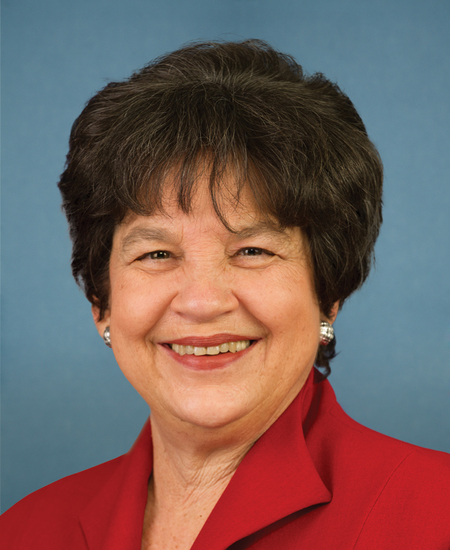
Rep. Lois Frankel
Sponsored bills
Maddy summaryThis bill amends the U.S. Code to expand appeal rights for certain postal employees. It allows non-unionized postal workers in supervisory, professional, technical, clerical, administrative, or managerial roles (covered under the Executive and Administrative Schedule) to directly appeal personnel decisions to the Merit Systems Protection Board (MSPB). Previously, these employees may have lacked this specific appeal path. The change clarifies their eligibility under Section 1005(a)(4)(A)(ii)(I) of Title 39, U.S. Code, ensuring they can seek MSPB review for employment-related disputes.
Maddy summaryThis bill requires the U.S. Postal Service to provide written proposals to supervisors' organizations 60 days before pay/benefit decisions expire or after new collective bargaining agreements are reached. It directly affects postal supervisors and managers covered by collective bargaining agreements regarding their pay policies, schedules, and fringe benefits. The key mechanism establishes clear timelines for negotiations and mandates that any dispute resolution panel must issue a binding final decision within 15 days of receiving input from both parties. This aims to streamline the process for resolving pay and benefits disputes between the Postal Service and supervisory staff organizations.
Maddy summaryThe HEAL Act (HR 603) requires the U.S. Holocaust Memorial Museum Director to study how public elementary and secondary schools teach about the Holocaust and related antisemitism. The study will examine curriculum requirements, teaching methods (like project-based learning), instructional materials, and assessment approaches across states and school districts. It specifically analyzes whether Holocaust education is mandatory, optional, or integrated across subjects, and how schools address antisemitism and genocide prevention. The resulting report, due within 180 days of the study or three years after enactment, will inform Congress but does not change current school policies. This is a data-gathering measure, not a policy mandate.
Maddy summaryHRES 59 is a non-binding resolution recognizing January 2023 as "National Mentoring Month." It formally acknowledges the value of mentoring relationships for youth development, highlighting how mentors support academic achievement, career exploration, and mental well-being. The resolution encourages expanding quality mentoring programs nationwide but does not create new laws or allocate funding. It directly affects all young people in the U.S. by raising public awareness of mentoring's benefits and urging collaboration among communities, schools, and organizations to address the "mentoring gap" where one in three youth lacks a supportive adult outside their home.
This resolution commends the role of the U.S. government in improving access to quality, inclusive education, and improved learning outcomes for the poorest and most marginalized children and adolescents around the world. It calls on the Department of State and the U.S. Agency for International Development to use all diplomatic, humanitarian, and developmental means to promote access to such quality education.
Maddy summaryHR 286, the Health Care Providers Safety Act of 2023, provides federal grants to healthcare providers to improve security at their facilities. The bill authorizes the Secretary to fund security services and physical/cyber security enhancements, including video surveillance, data privacy measures, and structural improvements. These grants directly help healthcare facilities, personnel, and patients by addressing safety concerns. The law specifies that funds must be used for necessary security costs to ensure safe access to healthcare services. It does not create new mandates but offers financial support for security upgrades.
Maddy summaryHR 396, the Closing the Bump Stock Loophole Act of 2023, defines "bump stock" as any device or modification that increases the firing rate of a semi-automatic weapon to mimic a machine gun. The bill amends federal tax and firearms laws to classify bump stocks as prohibited devices under the National Firearms Act, requiring existing owners to register them within one year of enactment. It directly affects individuals who currently own bump stocks by mandating registration to avoid future possession prohibitions. The law takes effect immediately for new sales but provides a one-year grace period for existing owners to comply with registration requirements.
Maddy summaryHR 308, the Rosa Parks Day Act, would designate Rosa Parks Day as a legal public holiday for federal employees and government operations. The bill amends Title 5 of the U.S. Code to add "Rosa Parks Day" to the list of federal holidays, placing it after Thanksgiving Day. This change would require federal offices to close on this designated day, affecting federal employees and standard government operations. The bill does not create new programs or alter existing laws beyond the holiday designation.
This resolution condemns all acts of political violence, as well as attacks on health care facilities, health care personnel, and patients. The resolution also states that all people have the freedom to access reproductive health care services and medical advice without fear of violence, intimidation, or harassment. Finally, the resolution calls on the Biden Administration to use all appropriate authorities to uphold public safety, protect health care facilities, and safeguard health care personnel and patients.