

Maddy summaryHRES 1473 is a non-binding resolution passed by the U.S. House of Representatives that condemns racism, bigotry, and misinformation targeting Haitian people and their descendants. It celebrates the historical contributions of Haitian Americans to U.S. society, including founding cities (like Chicago via Jean Baptiste Point du Sable), advancing civil rights (W.E.B. Du Bois), and enriching healthcare, education, and culture. The resolution specifically calls on all Americans to reject racist tropes and misinformation, and urges elected officials to promote inclusivity and responsible communication. It was introduced in response to recent false claims that fueled threats against Haitian communities, such as the bomb threats in Springfield, Ohio.
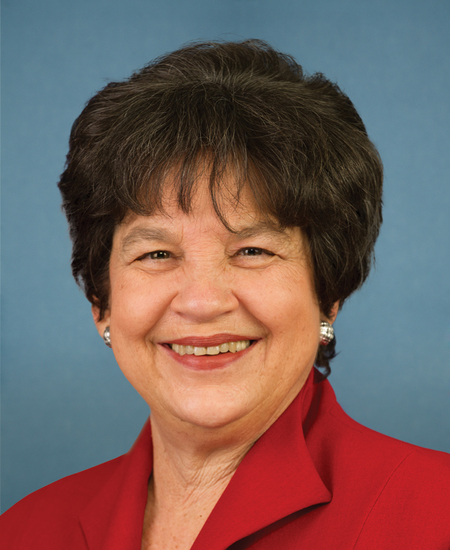
Rep. Lois Frankel
Sponsored bills
Maddy summaryThis bill amends the Justice for United States Victims of State Sponsored Terrorism Act to establish a fifth round of payments for eligible victims of state-sponsored terrorism, requiring all authorized payments to be distributed by December 31, 2024. It directs specific funds into the Victims of State Sponsored Terrorism Fund, including $898 million from the Binance case settlement and 50% of annual unobligated balances from DOJ and Treasury forfeiture funds starting December 1, 2024. The bill mandates annual payments beginning January 1, 2025, for eligible claimants and requires the Special Master to submit annual reports on fund activity to Congress, including detailed deposit and disbursement records. It directly affects victims of state-sponsored terrorism, the Special Master administering the fund, and federal agencies managing forfeiture funds.
Maddy summaryHRES 1468 is a non-binding resolution recognizing the significant pay disparity faced by disabled women in the U.S. workforce. It cites data showing disabled women earn, on average, 50 cents for every dollar earned by nondisabled men, with even starker gaps for disabled women of color (e.g., 44 cents for disabled Latinas). The resolution highlights systemic barriers like occupational segregation, the subminimum wage, and lack of support services contributing to these inequities. It does not create new laws or affect any group directly, but formally acknowledges these disparities and reaffirms the House’s commitment to addressing wage gaps. This is a symbolic recognition, not a policy change.
Maddy summaryHRES 1443 is a non-binding resolution expressing the House of Representatives' support for universal access to high-quality, affordable child care and early education for all young children and families. It highlights that current child care costs consume 14% of middle-income families' income (vs. a recommended 7%) and that 50% of U.S. families live in areas with insufficient child care options ("child care deserts"). The resolution calls for future legislation to ensure no family pays more than 7% of income for care, expand access during non-traditional hours, guarantee workforce pay parity with K-12 educators, and fund infrastructure upgrades. It does not create new programs but urges the House to prioritize comprehensive child care reform.
Maddy summaryThis bill amends the rural surface transportation grant program to expand eligibility for funding. It defines "covered counties" as those with annual agricultural production exceeding $1 billion (adjusted annually for inflation) and at least $500,000 per square mile. The bill requires 10% of annual program funds to be reserved specifically for "farm-to-market roads" located within these covered counties. The Secretary of Transportation, with input from the Secretary of Agriculture, must maintain an annual list of eligible counties meeting these agricultural thresholds.
Maddy summaryThis bill establishes a new Office of Falls Prevention within the Department of Veterans Affairs, headed by a Chief Officer who will develop standards, monitor care quality, and coordinate prevention efforts for veterans. The office will oversee public education campaigns about fall prevention, coordinate home modification programs, and promote research on effective prevention strategies for veterans. The bill requires VA facilities to implement safe patient handling policies, provide annual falls risk assessments for veterans in nursing homes, and conduct biennial training for providers on safe mobility techniques. It also mandates a report evaluating current falls prevention practices and will assess the feasibility of a pilot program to provide home modifications that prevent falls. The bill directly affects veterans at risk of falls and VA healthcare facilities providing services to veterans.
Maddy summaryThis bill increases the tax credit for railroad track maintenance from $3,500 to $6,100 per mile of track. It adds an inflation adjustment starting in 2026, linking future credit amounts to the cost-of-living index. The bill also extends the qualifying period for maintenance expenditures from January 1, 2015, to January 1, 2024. These changes apply to tax years beginning after December 31, 2024, directly affecting railroad companies that maintain tracks.
Maddy summaryThe Stand with Ukraine Act of 2024 establishes a framework for sustained U.S. security assistance to Ukraine in response to Russia's invasion. It endorses a 10-year bilateral security agreement and directs the U.S. government to provide military equipment, training, and security assistance to strengthen Ukraine's defense capabilities against Russian aggression. Key provisions include treating Ukraine as a major non-NATO ally for defense transfers, fast-tracking military sales through the Foreign Military Sales program, and creating mechanisms to prioritize defense article transfers. The bill also includes specific support for Ukraine's recovery, reconstruction, and demining efforts following the conflict. This legislation directly affects U.S. foreign policy implementation, military assistance programs, and Ukraine's ability to build a credible defense against Russian threats.
Maddy summaryHR 8199, the *Increasing Nutrition Access for Seniors Act of 2024*, would make it easier for seniors and disabled individuals in SNAP (food stamp) households to qualify for benefits. It expands certification periods to 36 months for households without earned income and creates a new standard medical deduction: states can automatically deduct $155 monthly (adjusted yearly for inflation) from income for seniors/disabled members who report over $35 in monthly medical expenses. States may also set higher deductions if they provide evidence of higher average medical costs in their area. These changes apply to new certification periods starting 180 days after enactment.
Maddy summaryThis bill amends the Older Americans Act to explicitly address loneliness among seniors by adding it to existing provisions about social isolation. It requires the federal government to prepare a report within five years, examining how current programs tackle loneliness's health impacts, geographic prevalence, and preventive services. The report must also analyze multigenerational family connections' role in reducing loneliness and recommend policy improvements. The bill directly affects older individuals served by programs under the Older Americans Act, focusing on health outcomes linked to social isolation. It does not create new funding but directs existing programs to coordinate services addressing loneliness.