

Maddy summaryThis bill updates the Supplemental Security Income (SSI) program to better support low-income elderly, blind, and disabled individuals. It raises key financial thresholds: the resource limit for single individuals increases from $2,250 to $20,000 (adjusted annually for inflation), and the general income exclusion rises from $240 to $1,797 per month. The bill also removes a penalty that reduced benefits for married couples, excludes retirement accounts and tribal general welfare payments from resource calculations, and eliminates outdated requirements like dedicated accounts for past-due benefits. These changes directly affect SSI recipients by making it easier to qualify and maintain benefits without losing support due to minor income or resource fluctuations.
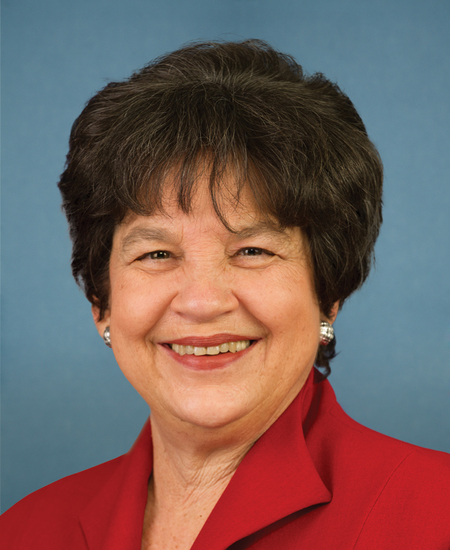
Rep. Lois Frankel
Sponsored bills
Maddy summaryThe Healthy MOM Act (HR 6716) would require health insurance plans to provide a special enrollment period for pregnant individuals beginning when pregnancy is reported to the insurer. It would mandate that group health plans cover maternity care for all dependents, including young women who might otherwise lack coverage due to plan exclusions. The bill would extend Medicaid coverage for pregnant individuals and infants to a full 12 months postpartum, rather than the current 60-day period. These provisions aim to improve access to comprehensive maternity care, which the bill states could prevent 3 in 5 pregnancy-related deaths by addressing coverage gaps that disproportionately affect women of color.
Maddy summaryThis bill creates a Medicare buy-in option for retired or disabled first responders aged 50-64 who have lost employer health coverage. It allows them to enroll in Medicare Part A, B, and D (including prescription drug coverage) before age 65, with premiums calculated based on Medicare's average per-person costs. The coverage counts as "minimum essential coverage" under the Affordable Care Act, qualifying individuals for ACA premium tax credits and cost-sharing subsidies. It also establishes an oversight board and outreach grants to assist enrollment, while ensuring the program doesn't reduce benefits for existing Medicare beneficiaries or harm Medicare trust funds.
Maddy summaryHR 5614 extends duty-free treatment for Haitian apparel imports under the Caribbean Basin Economic Recovery Act until September 30, 2035. It modifies the quantitative limit for eligible apparel imports to cap at 1.25% of the U.S. market for the most recent 12-month period, replacing the previous fixed annual period structure. This bill directly affects Haitian apparel exporters and U.S. importers of Haitian-made clothing by maintaining tariff preferences. The extension also requires the President to adjust the Harmonized Tariff Schedule to restore lost benefits for eligible items affected by prior tariff schedule changes.
Maddy summaryThe Lowering Drug Costs for American Families Act expands Medicare's drug price negotiation program from 20 to 50 drugs, allowing the government to negotiate lower prices for these medications. It requires private health insurance plans and group health coverage to apply these negotiated prices to their members' cost-sharing for covered drugs, with plans able to opt out while publicly disclosing their decision. The bill also extends these negotiated prices to drugs covered by commercial insurance markets, not just Medicare. This would directly affect Medicare beneficiaries and people with private health insurance who take the negotiated drugs.
Maddy summaryThe Social Security 2100 Act would significantly enhance Social Security benefits for millions of Americans by increasing monthly payments for retirees, disabled workers, widows/widowers, and children. Key provisions include raising the minimum benefit for long-term low earners, improving cost-of-living adjustments using a more accurate index, eliminating the 5-month waiting period for disability benefits, and extending child benefits to age 26. The bill also changes how Social Security taxes are calculated by applying them to income above $400,000 and establishes a unified Social Security Trust Fund to manage program finances. Most provisions would apply to benefits payable from 2025 through 2034, affecting all current and future Social Security beneficiaries.
Maddy summaryThe LIFT the BAR Act removes barriers preventing lawfully present noncitizens from accessing federal benefits like food assistance, Medicaid, and school meals. It repeals specific 1996 welfare law provisions that excluded noncitizens and updates terminology to replace "alien" with "noncitizen" throughout federal law. The bill expands eligibility to include noncitizens in categories such as Deferred Action for Childhood Arrivals (DACA) recipients, individuals with special immigrant juvenile status, and those with pending U-visa applications. This change ensures more noncitizens lawfully present in the U.S. can access essential services without being denied based on immigration status.
Maddy summaryThe Menstrual Equity For All Act of 2023 requires free menstrual products to be available at no cost in public schools, colleges, correctional facilities, and federal buildings. It makes menstrual products covered by Medicaid, prohibits taxes on these products, and provides funding through social services programs to help low-income individuals access menstrual products. The bill directly affects students (K-12 and college), incarcerated people, homeless individuals, employees (in businesses with 100+ workers), Medicaid beneficiaries, and people receiving Temporary Assistance for Needy Families (TANF). Key provisions include amending school funding to require free products, creating college grant programs for menstrual product distribution, and adding menstrual products to Medicaid coverage and social services programs.
Maddy summaryHR 3589, the Affordability is Access Act of 2023, requires health insurance plans to cover FDA-approved over-the-counter birth control without cost-sharing (like copays or deductibles). It directly affects millions of people who use contraception, particularly low-income individuals and those in areas with limited access to reproductive health services ("contraceptive deserts"). The bill clarifies that existing insurance coverage rules under the Affordable Care Act apply to over-the-counter contraceptives, and directs the FDA to expedite reviews for over-the-counter status. Retailers must not block access to these products but may refuse sales if payment isn’t provided.
Maddy summaryThe FAMILY Act (HR 3481) would establish a national paid family and medical leave insurance program administered by the Social Security Administration. Eligible workers would receive wage replacement benefits (up to 85% of average earnings, with a maximum of $4,000 monthly) for up to 60 caregiving days per 12-month benefit period for qualifying reasons like caring for a sick family member, personal serious health conditions, or responding to domestic violence. The program would be funded through 0.2% payroll taxes from employees and employers (with self-employed individuals paying 0.4%), with benefits coordinated with existing state programs. The law includes protections against employer retaliation for taking leave and requires employers to maintain health coverage during leave periods.